

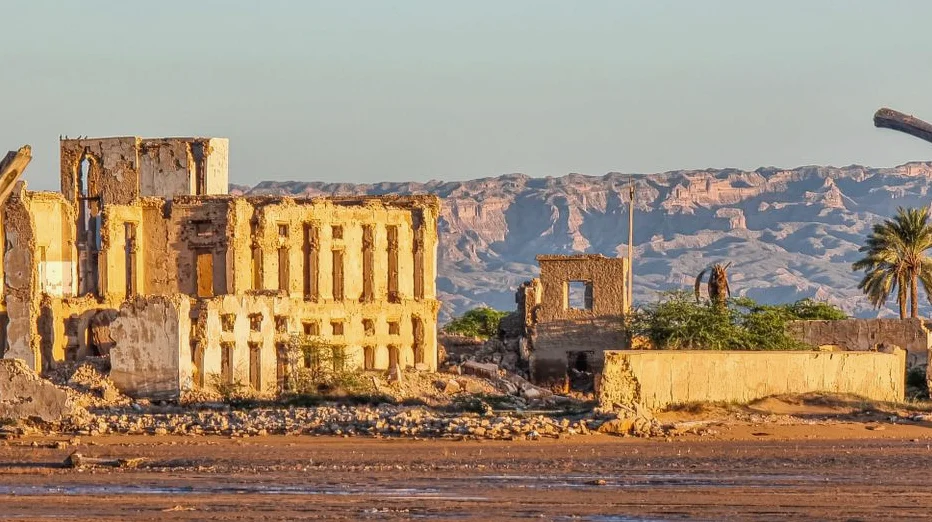
The strikes are the first since the U.S. midterm elections on Tuesday, in which the Republican Party suffered major losses. The U.S. had previously carried out what it described as “defensive strikes” on Monday in the same region, including on Qeshm and Hengam islands and near Bandar Abbas. Analysts and officials had speculated whether the election outcome would lead to de-escalation or further military action.
Trump has alternated between threatening to “destroy” Iran and suggesting a resolution is near. In a Florida press event, he claimed Iran is “very badly” seeking a deal due to economic collapse, citing 300% inflation and a crippled military. He also stated, “if I allowed Iran to have a nuclear weapon, today there would be no Israel,” emphasizing his stance on Iran’s nuclear program as a key issue in any potential agreement.
Qatar has been actively mediating between the U.S. and Iran to prevent further escalation. Qatari officials denied reports that negotiations had collapsed and confirmed that mediators remain in close coordination with both sides. Two Middle Eastern government officials told the Associated Press that Iran is reviewing Qatari proposals but remains unwilling to engage in direct nuclear talks with the Trump administration unless core demands are met.
Iran has outlined several conditions for engaging in nuclear negotiations, including the end of the U.S. military blockade on Iranian ports, the lifting of sanctions, the unfreezing of assets, compensation for war damage, and a cessation of hostilities in the region, particularly the Israeli military operations in Lebanon. These demands have been previously rejected by Trump, who insists that resolving the nuclear issue is a prerequisite for any broader agreement.
According to regional officials, Qatari mediators have proposed a short-term bridge agreement to build confidence between the U.S. and Iran. The proposal includes the U.S. lifting its maritime blockade and releasing some frozen Iranian assets, in exchange for Iran allowing IAEA inspectors into its bombed nuclear facilities. On the second day, Iran would reopen the Strait of Hormuz under a modified arrangement with Oman, serving as a temporary measure until a permanent agreement is reached.
A flurry of diplomatic calls between Gulf leaders and beyond has aimed to de-escalate tensions. U.S. Defense Secretary Pete Hegseth spoke with his Qatari counterpart about developments, and Trump had a call with Qatar’s Emir Sheikh Tamim bin Hamad al Thani to discuss efforts to reduce regional tensions. Concerns persist that Trump could still order further strikes, particularly as U.S. Central Command announced a $20 million reward for information on Iran’s nuclear program.
Iranian officials have stressed that they want more than “paper commitments” from the U.S. before engaging in new talks. Deputy Secretary of Iran’s Supreme National Security Council, Ali Bagheri Kani, stated, “We must see practical measures by the Americans.” Meanwhile, the International Monetary Fund has forecast 78.6% inflation in Iran for 2026, reinforcing the economic strain that has reportedly pushed Iran toward seeking a deal.
Comments
No comments yet
Be the first to share your thoughts