

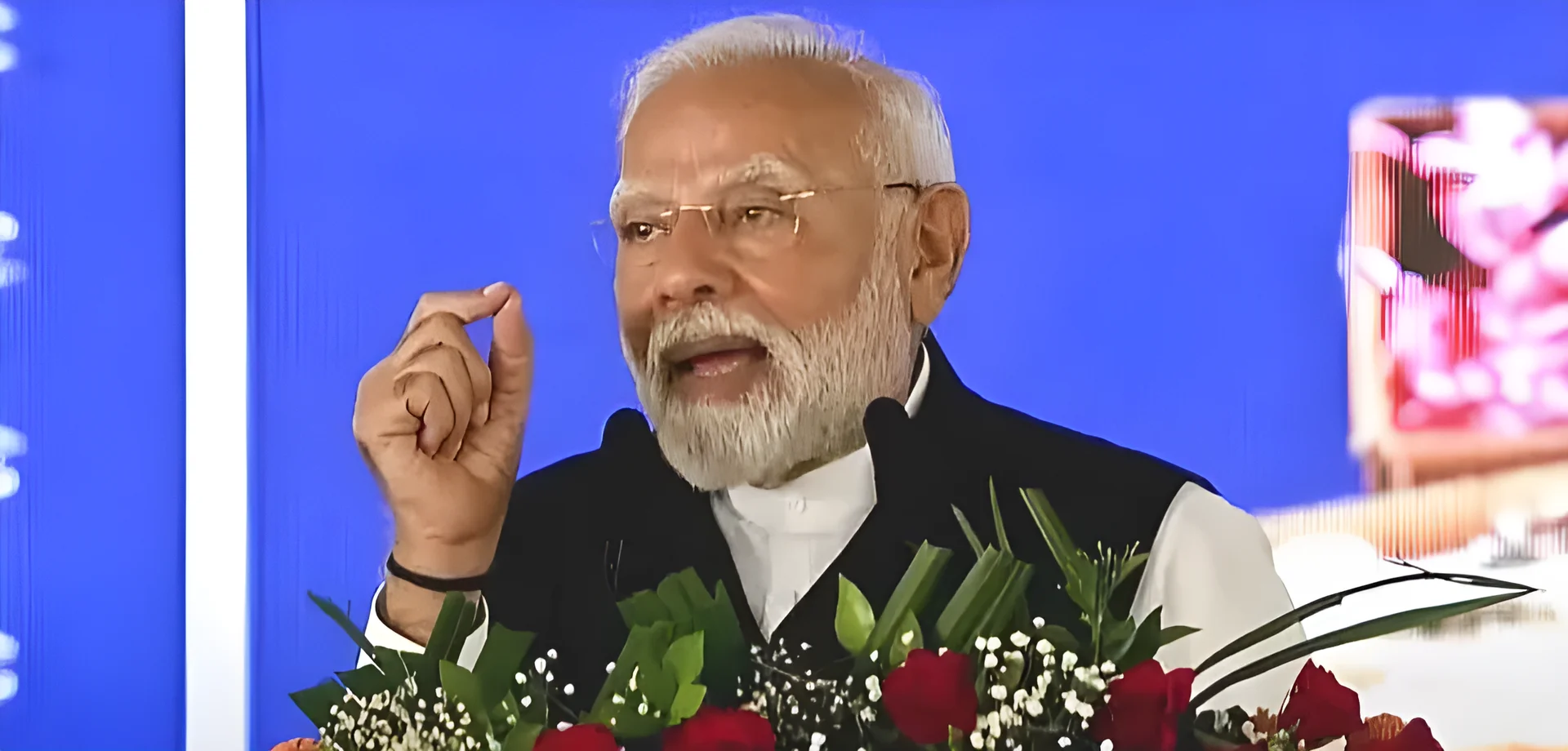
Indian Prime Minister Narendra Modi on Sunday condemned attacks by Iran on the United Arab Emirates, expressing solidarity with the Gulf nation and urging regional de-escalation. Modi spoke with UAE President Sheikh Mohamed bin Zayed Al Nahyan and later with Israeli Prime Minister Benjamin Netanyahu, emphasizing India’s concerns over recent developments and the safety of civilians in the region.
Impact on Indian Nationals and Regional Stability
The Iranian missile and drone attacks on the UAE over the past two days have left three people dead and 58 injured, including an Indian citizen. Officials confirmed the casualties, with the Indian embassy in the UAE confirming that the injured Indian national is out of danger and receiving all possible assistance.
Modi expressed his solidarity with the UAE during his conversation with President Al Nahyan, stating, “Strongly condemned the attacks on the UAE and condoled the loss of lives in these attacks. India stands in solidarity with the UAE in these difficult times.”
Modi also thanked Al Nahyan for taking care of the Indian community in the UAE, reaffirming India’s support for de-escalation and regional peace. The Indian embassy in the UAE confirmed it was in contact with hospital authorities to ensure the well-being of the injured national.
Regional Tensions and Diplomatic Outreach
Later in the night, Modi spoke with Netanyahu to discuss the evolving situation in the Middle East. He conveyed India’s concerns over recent developments and emphasized the safety of civilians as a priority. “Conveyed India’s concerns over recent developments and emphasised the safety of civilians as a priority. India reiterates the need for an early cessation of hostilities,” Modi stated on social media.
The attacks have intensified regional tensions, with Iran suffering extensive damage from joint strikes by US and Israeli forces. A hospital in Tehran’s Gandhi Street area was badly damaged, with witnesses reporting that patients were being evacuated from the facility.
India’s diplomatic outreach comes at a time of heightened volatility in the Middle East. The attacks on the UAE and retaliatory strikes by Iran have raised fears of a broader regional conflict, with several countries closely monitoring the situation.
Historical Context and Regional Dynamics
These attacks mark the latest escalation in the ongoing tensions between Iran and Israel, which have been fueled by years of geopolitical rivalry and proxy conflicts in the region. Previous incidents, including Israeli strikes on Iranian-backed groups in Syria and Lebanon, have contributed to an increasingly unstable environment.
India, while maintaining a policy of non-alignment, has sought to balance its relationships with both Iran and Israel. The country has deep economic ties with Iran, particularly in the energy sector, while also engaging with Israel in areas such as technology and security cooperation.
Analysts suggest that India’s current diplomatic efforts reflect its desire to maintain stability in the region while protecting its national interests. “India is trying to act as a mediator in the current crisis,” said one analyst, adding that the country’s position is crucial in preventing further escalation.
The situation remains fluid, with no immediate signs of a ceasefire. Both Iran and Israel are expected to continue their military operations, raising concerns about the potential for further civilian casualties and regional instability.
As the conflict unfolds, the international community is closely watching the developments, with the United Nations and other global institutions urging for de-escalation and dialogue to prevent a wider conflict.





Comments
No comments yet
Be the first to share your thoughts