

 Al Jazeera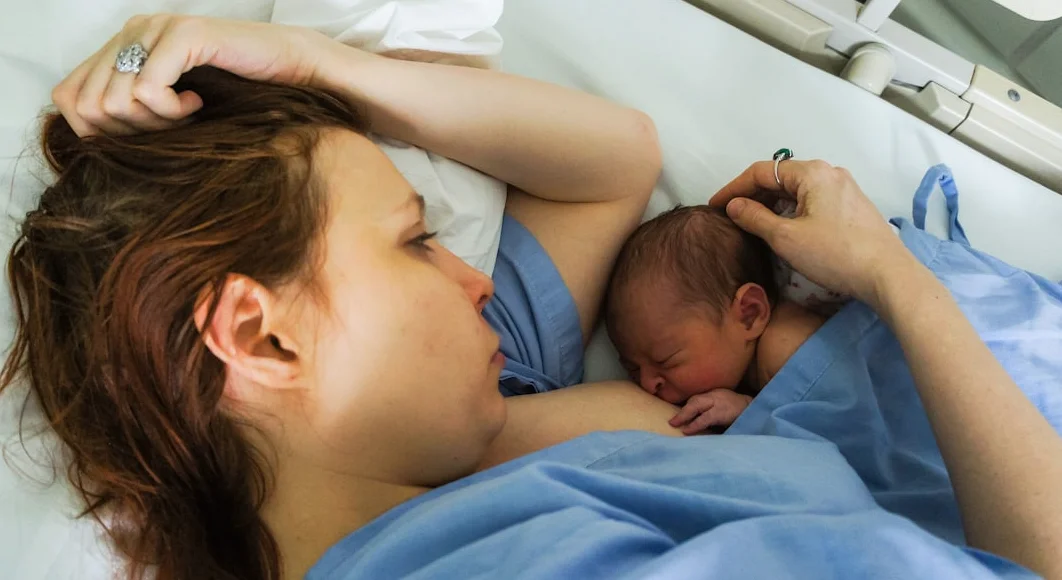
The ongoing Israeli military offensive in southern Lebanon has created a dire humanitarian crisis, with mothers raising newborn babies in conditions marked by fear, scarcity, and limited access to healthcare. Hawraa Houmani. A 29-year-old mother from a village in southern Lebanon, was nine months pregnant when Israeli air strikes forced her to flee with her family. Now, she is raising her newborn son, Ali, in a makeshift shelter at a school in Beirut, struggling to find adequate medical care for the infant amid the chaos.
Struggle for Basic Needs
According to Al Jazeera. Houmani is one of many mothers in Lebanon who are raising newborn babies under extreme conditions. The Israeli military offensive. Which began in early 2026, has displaced over 1.2 million people, with more than 300,000 of them seeking refuge in Beirut and other urban centers. Many of these displaced families, including Houmani, have no access to regular medical services, clean water, or stable electricity. The United Nations has warned that the situation is worsening, with shortages of essential supplies like baby formula, diapers, and medical equipment becoming increasingly common.
Houmani described her experience in a recent interview: ‘I gave birth in a hospital that was under attack. I had to leave with my baby in my arms, not knowing where we would go. Now, I am trying to feed him and keep him safe, but every day is a struggle.’ She is currently staying in a school that has been converted into a temporary shelter, where dozens of families are crammed into small spaces with limited resources.
Medical professionals in Beirut have noted a sharp increase in the number of infants arriving with health complications. ‘We are seeing more cases of malnutrition, infections, and delayed development in newborns,’ said Dr. Layla Khoury, a pediatrician at a local clinic. ‘The lack of access to proper healthcare is putting these babies at serious risk.’
Humanitarian Aid and Government Response
International humanitarian organizations have been working to provide relief to those affected by the conflict, but the scale of the crisis has overwhelmed local and global aid efforts. The World Food Programme reported that over 400,000 people in Lebanon are now facing severe food shortages, with mothers raising newborn babies particularly vulnerable to malnutrition. ‘We are trying to distribute baby formula and other essential supplies, but the demand is far greater than what we can provide,’ said a WFP representative in Beirut.
The Lebanese government has acknowledged the growing crisis and has requested additional support from international partners. However, the situation remains dire, with many families, like Houmani’s, left to fend for themselves. ‘We are doing our best, but it’s not enough,’ said Houmani. ‘I just want my son to be healthy and safe, but I don’t know how much longer we can keep going like this.’
The conflict has also disrupted the normal routine of raising newborn babies, with many mothers unable to leave their shelters to access medical care. In some cases, mothers are forced to give birth in unsafe conditions, with limited access to trained medical personnel. ‘It’s a crisis that affects every aspect of life, from birth to survival,’ said a local midwife, who asked not to be named for fear of reprisal.
Looking Ahead
As the Israeli military offensive continues, the humanitarian situation in southern Lebanon and Beirut is expected to deteriorate further. International aid agencies are warning that the conflict could lead to a full-blown health and nutrition crisis if more support is not provided. The United Nations has called for an immediate ceasefire and increased access to humanitarian aid, but progress has been slow.
For mothers like Houmani, the challenge of raising newborn babies in a war zone is a daily reality. ‘Every day is a battle to keep my son alive,’ she said. ‘I just hope this ends soon so that I can give him a normal life.’
The situation is likely to remain unstable in the coming weeks, with no clear end to the conflict in sight. As the number of displaced people continues to rise, the need for urgent humanitarian assistance becomes more pressing. For now, mothers like Houmani are doing their best to raise their newborn babies in the face of overwhelming adversity.






Comments
No comments yet
Be the first to share your thoughts