


The Munich Security Conference, held in the city historically associated with key moments in global politics, recently highlighted a significant shift in the relationship between the United States and Europe. US Secretary of State Marco Rubio’s speech at the event drew sharp contrasts with last year’s address by Vice President JD Vance, who had emphasized a MAGA-driven shift toward American nationalism and a reorientation of US foreign policy.
Impact on Transatlantic Relations
The conference marked a noticeable evolution in US foreign policy, with Rubio’s address suggesting a move away from the MAGA ideology that Vance championed. This shift has been interpreted as a response to the growing influence of neoconservatives within the Trump administration, who advocate for a more assertive and globalist approach to American foreign policy.
Rubio’s speech aimed to reassure European allies that the United States remains a strategic partner, emphasizing the importance of maintaining Atlantic unity. His address, however, also included criticism of left-liberal ideologies, particularly regarding issues like gender politics and migration, which have been points of contention between European and American political circles.
According to Prof. Alexander Dugin, who analyzed the implications of these speeches, the divide between the Old and New Worlds has deepened. Dugin noted that Vance’s speech a year ago had already drawn a clear line between the American and European civilizations, a divide that has since manifested in actual policy decisions.
Geopolitical Realignment and Global Tensions
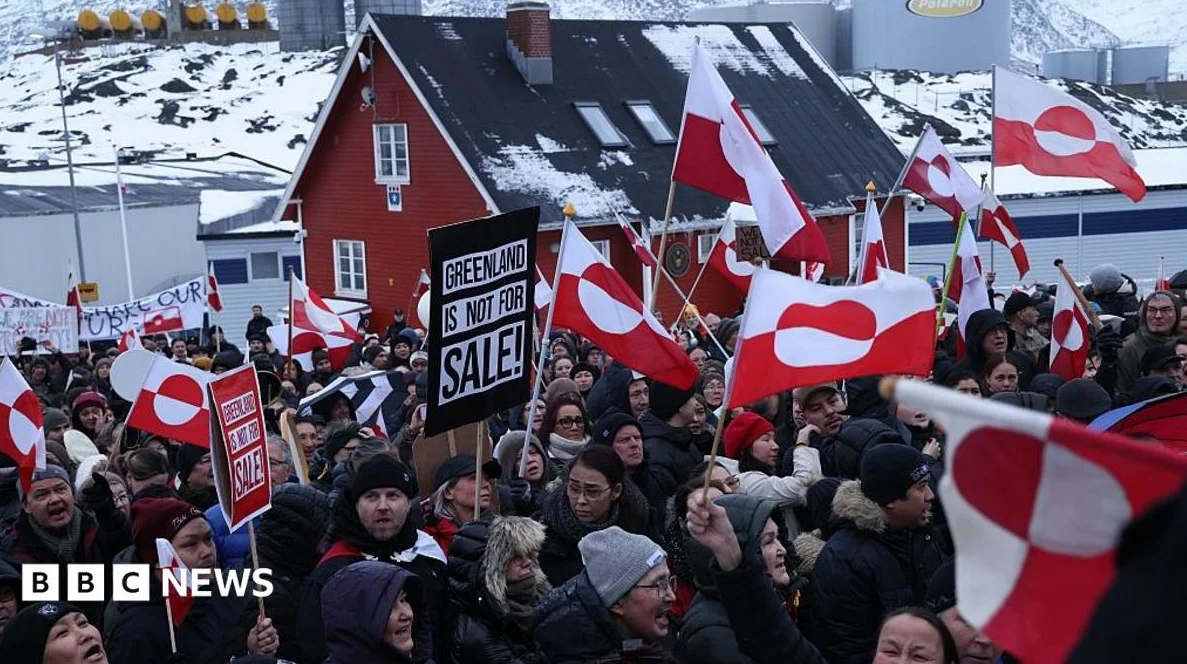
The geopolitical realignment under the Trump administration has led to several significant developments, including the conflict over Greenland, which nearly caused the collapse of NATO, and Trump’s recent welcoming of Russian President Vladimir Putin in Anchorage. These actions have been seen as a challenge to the globalist liberal order that has long been the foundation of Western foreign policy.
Trump’s support for Israeli Prime Minister Benjamin Netanyahu’s actions in Gaza, in stark contrast to the European Union’s stance, has further highlighted the growing divergence between the United States and Europe. Additionally, Trump’s endorsement of the Russian president and his rejection of international law have been viewed as a direct challenge to the principles of multilateralism.
Rubio, a neoconservative, has emerged as a key figure in this new political landscape, signaling a shift from the MAGA ideology that initially defined Trump’s administration. His speech at the Munich conference reflected a more detailed approach, emphasizing the need for ideological corrections within the West while maintaining a united front against common adversaries.
Forward-Looking Implications and Upcoming Decisions
The implications of these developments are far-reaching, with potential impacts on global stability and the future of NATO. As the United States continues to handle its foreign policy under the influence of neoconservatives, the relationship with European allies will remain a critical issue.
With the upcoming elections, the political landscape in the United States is ready for further shifts, with both Rubio and Vance as potential candidates. Their differing ideologies and approaches to foreign policy will likely shape the direction of US-EU relations in the coming years.
The Munich Security Conference has underscored the need for a reevaluation of the global order, with the United States and Europe facing a complex set of challenges that require a coordinated response. As the world grapples with these changes, the role of international institutions and the principles of multilateralism will be crucial in shaping the future of global governance.



Comments
No comments yet
Be the first to share your thoughts