

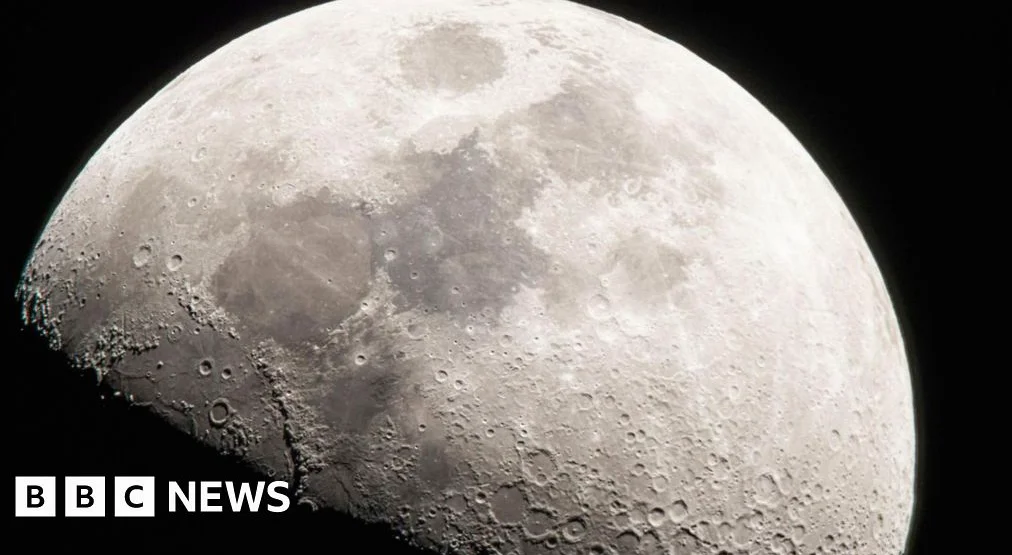
NASA has laid out a detailed plan to transform the Moon into a permanent base for science and future missions, according to Techgenyz, the ‘Moon Base’ initiative is part of the Artemis Program and includes three major missions scheduled for 2026. These missions aim to test landing technology, improve astronaut mobility, and conduct surface science experiments.
Key Missions Under Moon Base
Moon Base I. Set to launch in 2026. Will test landing technologies and deliver scientific instruments to the Shackleton Connecting Ridge near the lunar South Pole. The mission’s primary focus is to prepare for future crewed missions, Moon Base II, also scheduled for 2026, will carry over 1,100 pounds of equipment, including the FLIP rover, to improve astronaut mobility systems. Moon Base III will focus on lunar surface science experiments.
International and Commercial Collaboration
These missions are part of NASA’s Commercial Lunar Payload Services framework, which represents a multi-billion-dollar environment enabling regular lunar deliveries and technology demonstrations — Dozens of missions are planned in the coming years, with a strategic goal of achieving crew-ready lunar mobility by around 2028. The plan also emphasizes expanding international collaboration and private sector involvement across more than a dozen companies.
Comparisons and Competitors
While NASA is advancing its lunar goals, other nations are also pursuing ambitious space projects. The European Space Agency (ESA) has proposed a ‘Moon Village’ designed to house 200 people by 2030, according to 동아사이언스. Unlike NASA’s modular approach, the ESA’s plan includes using 3D printing technology to construct habitats on the Moon’s surface. The use of 3D printing is seen as a potential solution to the high costs and logistical challenges of transporting building materials from Earth.
Meanwhile, China is preparing for its first crewed lunar mission by 2030. The recent launch of Shenzhou 23, carrying three astronauts including the first Hong Kong-born astronaut, Lai Ka-ying, marks a significant step in China’s space ambitions. The mission includes scientific and software development projects and one astronaut will stay in space for a year to study human adaptability in long-duration space flights, according to AOL.com.
As global space agencies and private companies race to establish a permanent presence on the Moon, the competition is intensifying. NASA’s 2028 target for crewed lunar missions places it in direct competition with China’s 2030 goal. International collaboration, however, remains a key component of NASA’s strategy, with multiple countries and companies already involved in the Moon Base initiative.
With multiple missions planned for 2026 and beyond, the next few years will be critical in determining the feasibility of long-term lunar habitation. The success of these missions will depend on technological advancements, international cooperation, and the ability to overcome logistical and financial challenges.






Comments
No comments yet
Be the first to share your thoughts