

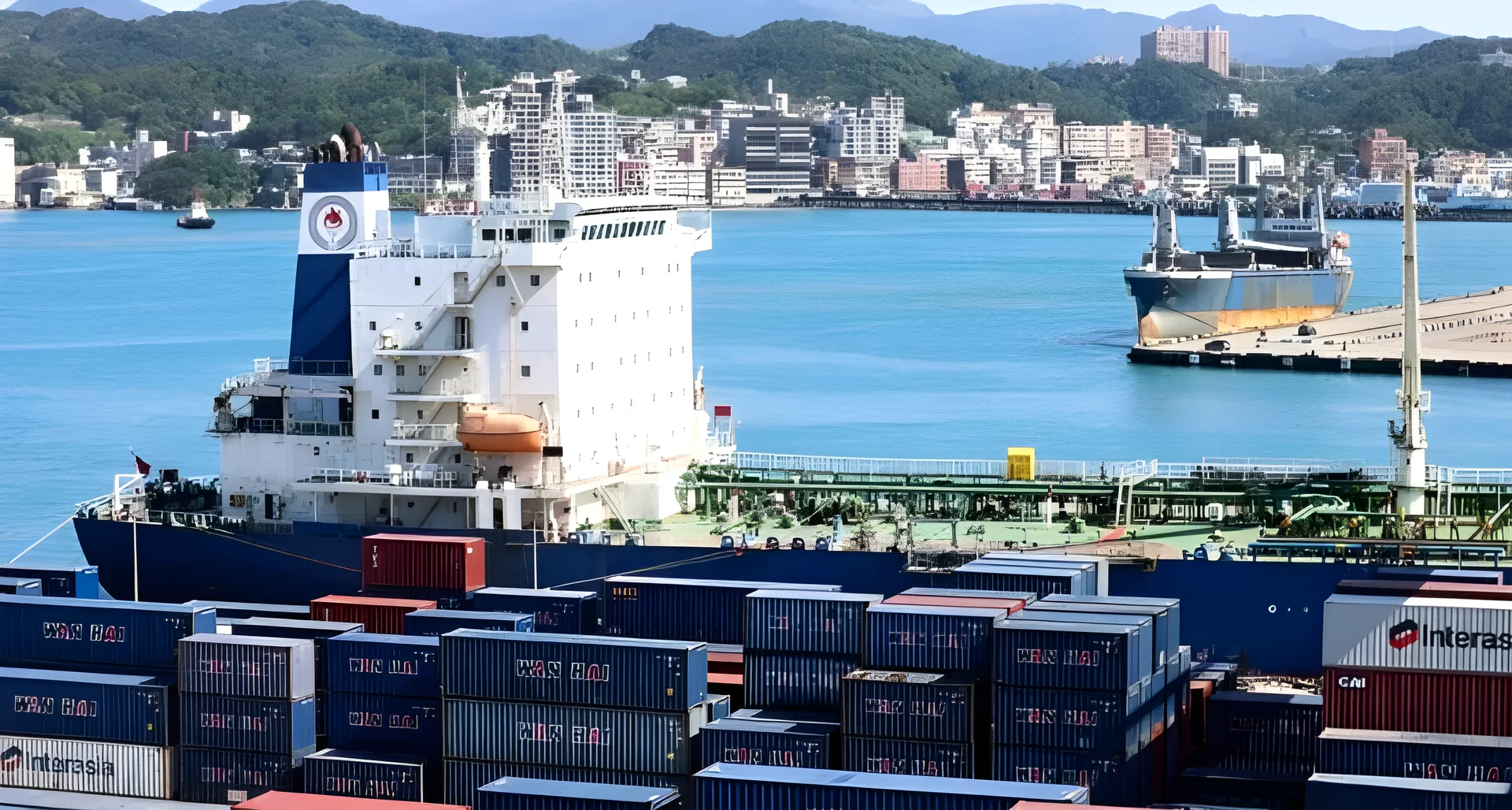
NATO allies are in active discussions to determine the best way to reopen the Strait of Hormuz, a critical artery for global oil and liquefied natural gas traffic, following its de facto closure by Iran. The situation has intensified global energy market volatility, with oil prices rising over 40 percent in recent weeks due to the strait’s partial blockage. NATO chief Mark Rutte confirmed on Wednesday that member states are working together to find a way to ensure the strait reopens, though no formal plan has been announced.
Strategic Importance of Hormuz and Regional Tensions
The Strait of Hormuz is a key chokepoint for global energy trade, through which approximately 20 million barrels of oil pass daily. Its closure has disrupted supply chains and raised concerns about energy security across Europe and North America. The strait has been effectively blocked by Iran since the United States and Israel launched a military campaign against the Islamic republic in early March 2026. According to the International Energy Agency, this has led to a 40.5 percent spike in global oil prices, affecting economies worldwide.
Iran’s actions follow a series of escalatory measures, including the seizure of oil tankers and the use of drones to disrupt shipping in the region. The move has been widely interpreted as a response to the ongoing conflict, which has seen Israel conduct airstrikes on Iranian military targets in Syria and Iraq. This has created a volatile situation in the Persian Gulf, with the United States and its allies now seeking to mitigate the fallout.
Mark Rutte, the NATO chief, emphasized that the alliance is not currently considering a military mission to enforce the reopening of the strait. Instead, he stated that members are focusing on diplomatic and strategic discussions to find a solution. ‘We all agree, of course, that the strait has to open up again,’ Rutte said during a news conference in northern Norway. ‘And what I know is that allies are working together, discussing how to do that, what is the best way to do it.’
Trump’s Criticism of NATO’s Response
US President Donald Trump has been vocal in his criticism of NATO’s handling of the crisis, calling the alliance’s inaction a ‘very foolish mistake.’ During a press briefing earlier this week, Trump remarked that NATO had been tested by the situation and that the alliance’s response had been unsatisfactory. ‘I’ve long said that I wonder whether or not NATO would ever be there for us,’ he said. ‘So this was a great test.’
Trump has long been skeptical of NATO’s effectiveness, particularly in terms of its collective defense commitments. Since returning to the presidency in January 2025, he has repeatedly pushed NATO members to increase their defense spending, arguing that the alliance has not met its financial obligations. His comments on the Hormuz crisis reflect a broader pattern of criticism and a potential re-evaluation of the US relationship with the alliance.
When asked directly if he would reconsider the US relationship with NATO, Trump said it was ‘certainly something that we should think about.’ However, he added that he had ‘nothing currently in mind,’ suggesting that the issue remains under discussion but not an immediate priority.
What Analysts Say About the Situation
Energy analysts have warned that the prolonged closure of the Strait of Hormuz could have severe economic consequences, particularly for European countries that rely heavily on oil imports. According to a report from the European Energy Agency, the disruption has already led to a 15 percent increase in energy costs for households in Germany and the Netherlands. ‘This is not just a regional issue; it’s a global one,’ said Dr. Elena Varga, an energy policy expert at the University of Geneva. ‘The ripple effects will be felt across the world, from manufacturing to transportation.’
Meanwhile, diplomatic efforts are ongoing to de-escalate tensions in the region. UK Prime Minister Keir Starmer has stated that the UK and its allies are working on a ‘viable’ plan to address the situation, though no NATO-led mission is currently in the works. ‘We are focused on finding a peaceful resolution that ensures the strait reopens safely and securely,’ Starmer said in a recent statement.
As the situation continues to unfold, the international community is closely watching the actions of both Iran and the United States. The next critical period will likely involve diplomatic negotiations and potential military posturing, with the outcome of these discussions potentially shaping global energy markets for months to come.
The closure of the Hormuz Strait has also raised questions about the reliability of international alliances in times of crisis. As the world grapples with the implications of this conflict, the need for a coordinated and effective response remains paramount.





Comments
No comments yet
Be the first to share your thoughts