

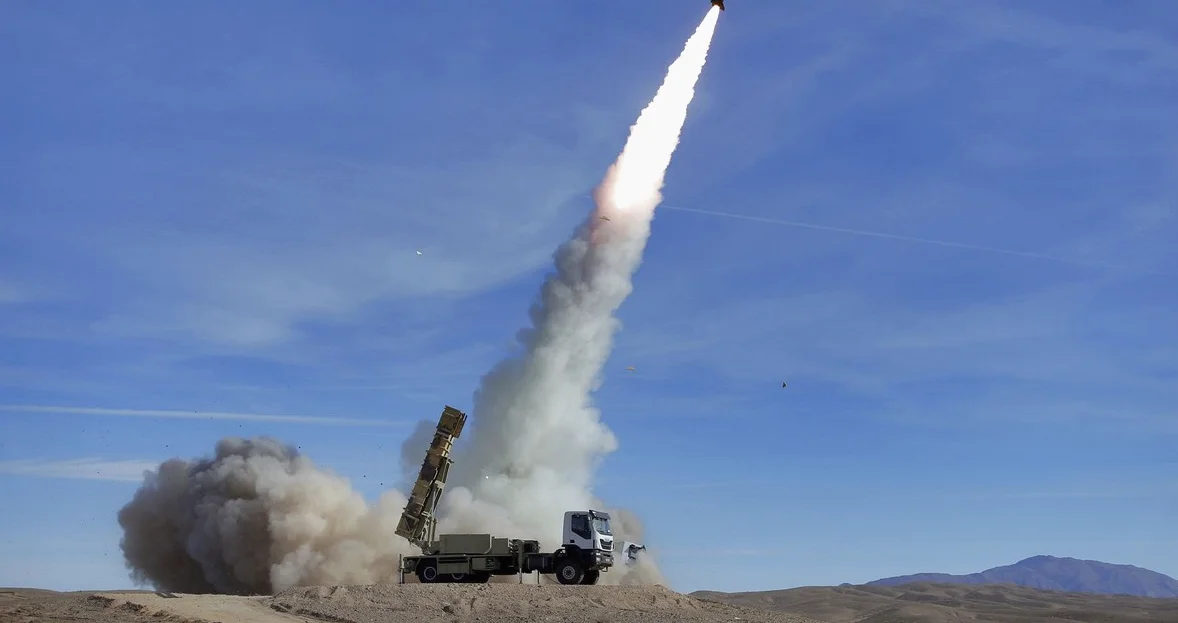
NATO air defense systems intercepted an Iranian missile heading toward Turkey early Wednesday, marking a significant escalation in tensions between Iran and Western allies following recent military actions in the Middle East. The incident occurred as part of a broader regional conflict that has seen Iran retaliate against what it calls Western aggression, including U.S. military operations in the region.
Interception in Eastern Mediterranean
Turkey’s Defense Ministry confirmed that the missile was shot down by NATO systems deployed in the eastern Mediterranean after it crossed through Iraqi and Syrian airspace. The ministry emphasized that all necessary steps to defend national territory and airspace would be taken resolutely and without hesitation.
“We warn all parties to refrain from actions that would lead to further escalation of conflict in the region,” the Turkish defense ministry said in a statement. “In this context, we will continue to consult with NATO and our other allies. We remind all parties that we reserve the right to respond to any hostile actions against our country.”
Turkish Foreign Minister Hakan Fidan called his Iranian counterpart, Abbas Araqchi, to express Turkey’s strong displeasure with the attack. The communication came amid growing concerns over the potential for a wider regional conflict, particularly as Iran has expanded its retaliation beyond its immediate neighbors.
Regional Fallout and Escalation
The incident follows a series of attacks by Iran on U.S. military bases in Iraq, Israel, and neighboring countries such as Saudi Arabia, the United Arab Emirates, and Qatar. In response, several Arab states have warned Tehran that continued violations of their sovereignty could draw them directly into the conflict. According to reports, Saudi Arabia is reportedly preparing potential airstrikes in response to Iranian aggression.
Secretary of War Pete Hegseth addressed the incident during a press briefing on Wednesday and stated that there was no reason to assume that the event would trigger Article 5 of the NATO treaty, which would require allies to assist the attacked party by taking “such action as it deems necessary, including the use of armed force,” to restore and maintain security.
“We are closely monitoring the situation and maintaining open lines of communication with all parties,” Hegseth said. “However, at this time, there is no indication that the incident will lead to a broader military response under NATO protocols.”
The missile interception adds to the already heightened tensions in the region, which have been fueled by ongoing conflicts in Syria, Iraq, and the broader Middle East. The incident also highlights the growing role of NATO in the region, particularly with the deployment of advanced air defense systems in the eastern Mediterranean.
What Analysts Say
Experts warn that the situation remains volatile and that the potential for further escalation is high. “This incident demonstrates the increasing risk of direct military confrontation between Iran and Western powers,” said one defense analyst. “The involvement of NATO systems in intercepting an Iranian missile is a clear signal that the alliance is prepared to act in defense of its members.”
The U.S. and its allies have been closely monitoring Iran’s military activities, particularly after the recent strikes on U.S. bases in Iraq and the reported attacks on Israeli and Saudi targets. The interception of the missile by NATO systems is seen as a preventive measure to avoid further escalation of hostilities.
Iran has not yet commented publicly on the interception, but analysts believe that the country may use the incident to justify further military actions in the region. The situation is expected to remain tense in the coming days as both sides continue to assess the implications of the event.
With the potential for further attacks and retaliation, the international community is watching closely to see whether the current crisis will lead to a broader conflict or be contained through diplomatic efforts.






Comments
No comments yet
Be the first to share your thoughts