

 BBC
BBC 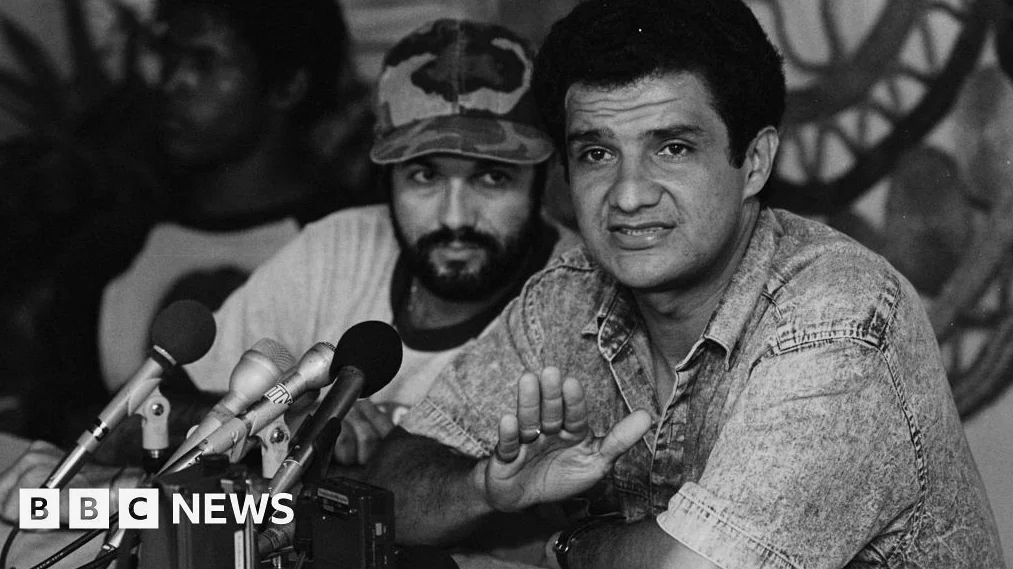
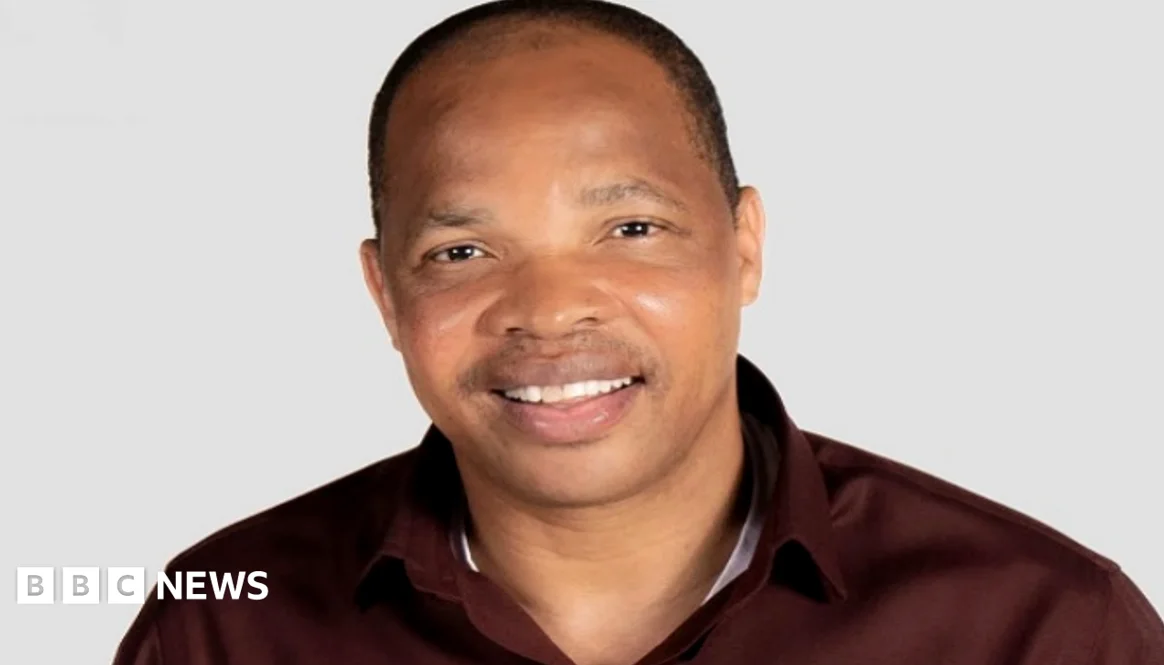
Brooklyn Rivera, a prominent figure in Nicaragua’s indigenous movement, died after being detained by the government for nearly three years; the Nicaraguan Ministry of Health stated on Sunday that Rivera’s death was due to “physical and neurological deterioration” linked to a Covid-19 infection.
Delayed Government Response
The government, led by President Daniel Ortega, took 15 hours to confirm Rivera’s death and has refused to release the 73-year-old’s body to his family, according to opposition media reports. Rivera had been arbitrarily detained when he returned to his home in Nicaragua in September 2023.
Rivera had long advocated for indigenous autonomy in Nicaragua. In the 1980s, he opposed Ortega’s Sandinista major government as part of an indigenous militia that fought alongside the Contras.
International Condemnation
Rivera’s detention was only officially recognized by the government more than a year after it began, following pressure from other nations. Little was heard about his condition until Wednesday, when the government acknowledged that he had been hospitalized in the capital, Managua, since early March.
According to the Nicaraguan Ministry of Health, Rivera had been suffering from cerebral edema associated with severe neurological injury, a respiratory infection, and renal failure. The ministry released an image of an emaciated Rivera lying in a hospital bed being ventilated via a tube through his neck.
News of his deteriorating health sparked renewed calls for his release. The U.S. State Department described Rivera as “unjustly imprisoned” and criticized the Nicaraguan Ministry of Health’s statement as an attempt to conceal the government’s role in his treatment.
César Marín, a spokesperson for Amnesty International in the region, said, “Brooklyn Rivera must be released immediately and unconditionally. His critical health condition while in the custody of the Nicaraguan state confirms the extreme risk to which he has been exposed.”
Human Rights Concerns
The Nicaraguan Ministry of Health said on Sunday that Rivera had been surrounded by several members of his family when he died. It had earlier stated that he could not be transferred elsewhere due to his degenerating condition.
News of Rivera’s death was met with widespread condemnation. Bianca Jagger, a Nicaraguan human rights activist, told the BBC that she held the Ortega government responsible for Rivera’s death. “We’re talking about a strong-handed administration,” she said. “There have been many other political prisoners who have died while in the custody of the administration.”
The Indigenous Youth Association of Moskitia, Rivera’s ancestral region, expressed its “profound indignation at the inhuman, cruel, and unjust treatment he endured in his final years.” The group emphasized the “grave concern” of keeping an elderly person deprived of their liberty without sufficient guarantees of due process and in conditions that deteriorate their physical and emotional health.
The Argentina-based Inter-American Legal Assistance Center for Human Rights condemned Rivera’s death and called for those responsible to be held criminally accountable. Rivera had served in Nicaragua’s National Assembly four times and as a minister for autonomous development in the 1990s, according to news site Confidencial.
His political party, Yatama, aligned itself with Ortega when he returned to power in 2007. The party stated a month after Rivera’s detention that it had been banned from running in elections. Ortega and his wife, Rosario Murillo, now hold absolute power over the country. Since returning to power, their rule has been marked by authoritarian tactics, violent repression of dissent, and control of the media.
Comments
No comments yet
Be the first to share your thoughts