

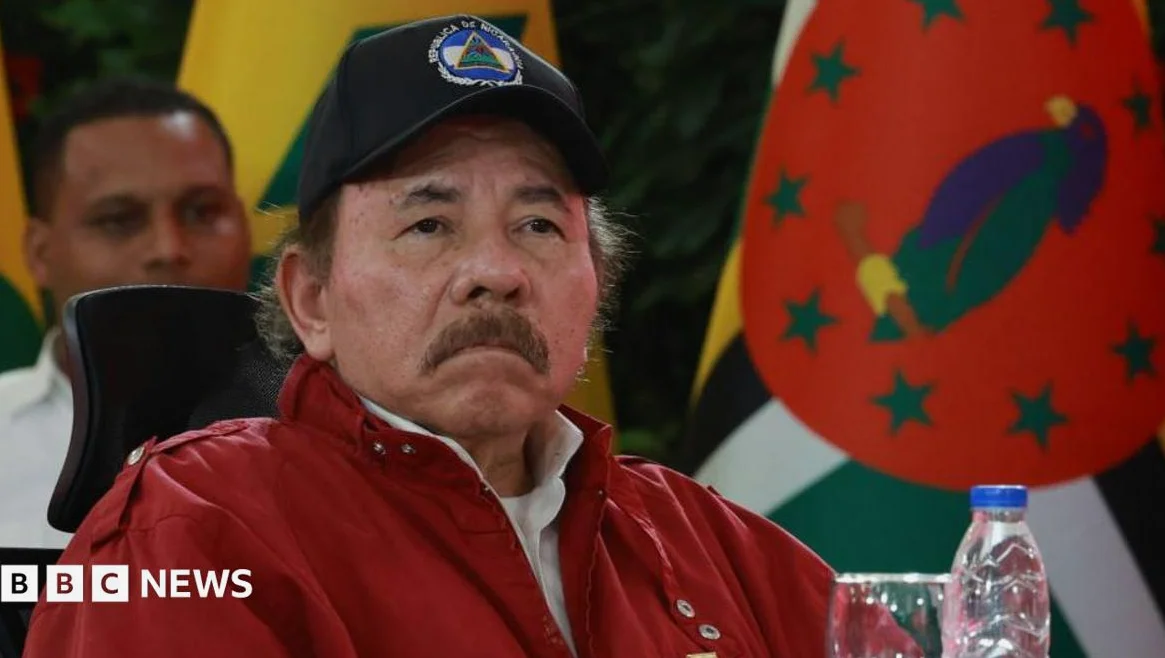
Shift in Government Messaging
Just ten days after Ortega declared that there would “never again be elections” in Nicaragua, the administration is now claiming his remarks were “misrepresented.” Government officials and pro-government voices insist that Ortega meant there would be “no elections like those of the past,” which they claim were influenced by the United States, according to Confidencial Nicaragua.
The shift in the government’s narrative began the day after Ortega made the controversial remarks during the 47th anniversary of the Sandinista Revolution — his comments triggered concern inside Nicaragua and condemnation abroad. Within days. Pro-government social media accounts. Lawmakers, state media, and Russian propaganda outlets aligned with the government began dismissing reports by independent and international media as “fake news,” according to Confidencial Nicaragua.
Repression and Disqualification of Rivals
Any rival potential candidates with a chance to garner a significant number of votes were detained and disqualified from standing for office or forced into exile. Dozens of other opposition members were also arrested, according to BBC, Only a small handful of little-known candidates, who were unlikely to get much support, were allowed to stand.
United Nations human rights chief Volker Türk has warned that government repression has deepened further since then, with the rule of law steadily eroded and the persecution of political dissidents escalating, according to BBC. Few Nicaraguans have dared to speak out in public against Ortega and his wife, Rosario Murillo, since more than 300 people were killed when the security forces quashed anti-government protests in 2018.
Constitutional Changes and Exile Policies
Details of the proposed constitutional reforms emerged after National Assembly President Gustavo Porras spoke on July 27, 2026, after a briefing with ambassadors and representatives of multilateral organizations. The reforms would constitutionally bar so-called “coup plotters” from participating in politics, revoke the legal status of political parties that nominate them, and extend the presidential term by another year, according to Confidencial Nicaragua.
Dissidents living in exile have also been targeted with many stripped of their citizenship by the Ortega government, their homes they left behind in Nicaragua seized and sold, according to BBC. The government’s actions reflect a broader pattern of suppressing political opposition and consolidating power within the ruling Sandinista party.






Comments
No comments yet
Be the first to share your thoughts