

ABUJA — The Federal Government kicked off a detailed audit of advanced medical equipment across federal teaching hospitals and medical centres after repeated complaints about poor upkeep. Officials aim to catalog every high-value machine, check its condition and pinpoint shortages in technical support.
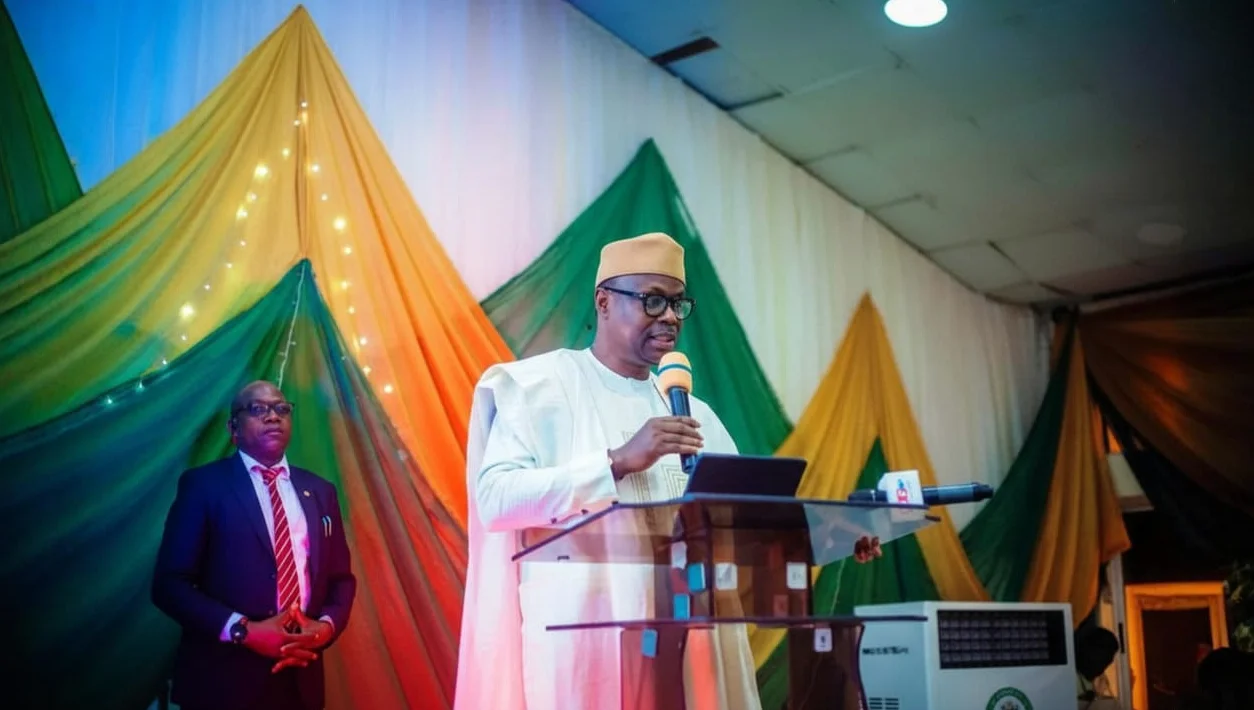
Dr. Adekunle Salako, Minister of State for Health and Social Welfare, announced the effort during a capacity-building workshop for biomedical engineers in Abuja. The gathering drew engineers and technicians from federal, state and private facilities nationwide.
“We’re building a resilient health system driven by technology and proper maintenance,” Salako said through his special assistant, Dr. Babatunde Akinyemi. He blamed the lack of training programs and steady partnerships for equipment breakdowns that leave machines idle for months.
Biomedical engineers keep diagnostic tools, treatment devices and patient monitors running smoothly, Salako stressed. Their value stood out during the COVID-19 crisis, when skilled hands could have salvaged underused advanced gear.
The workshop, organized by Healthy Living Communications Limited with the College of Biomedical Engineering and Technology, seeks to sharpen engineers’ skills and instill a maintenance mindset. The ministry’s Department of Hospital Services is crafting a National Biomedical Equipment Maintenance Framework. It calls for routine preventive checks by qualified staff at tertiary institutions.
Recent upgrades include modern training labs, simulation gear and digital tools at key sites. Staff now access retraining and international exchanges to build expertise. Salako pressed chief medical directors to spread the workshop’s lessons to their teams.
This fits the ministry’s four-point agenda, especially medical industrialisation to cut reliance on imported devices. Stronger local skills should prolong equipment life and slash replacement costs, he added.
Emmanuel Oriakhi, CEO of Healthy Living Communications Limited and the project’s national director, traced the idea back over 10 years. “Heavy investments under the Renewed Hope Agenda demand focus on upkeep,” he told participants. Oriakhi thanked ministry leaders for backing the push.
Chief trainer Dr. Awafung Adie challenged engineers to step up as technology managers and innovators, not just fixers. “Nigeria’s healthcare future hinges on today’s biomedical engineers,” he said. “Leave here with real skills, better attitudes and true dedication.”
Prof. Saad Ahmed, chairman of the Committee of Chief Medical Directors of Federal Tertiary Hospitals, sent Dr. Yahaya Adamu of Federal Medical Centre Keffi in his place. Adamu predicted the training would slash downtime and enforce safety rules from regulators and manufacturers.
The audit forms one piece of wider reforms. Public hospitals have long battled dysfunctional scanners, ventilators and labs due to neglect. Government data shows billions of naira wasted yearly on premature replacements. Officials hope the inventory, paired with training, turns the tide for reliable care.



Comments
No comments yet
Be the first to share your thoughts