

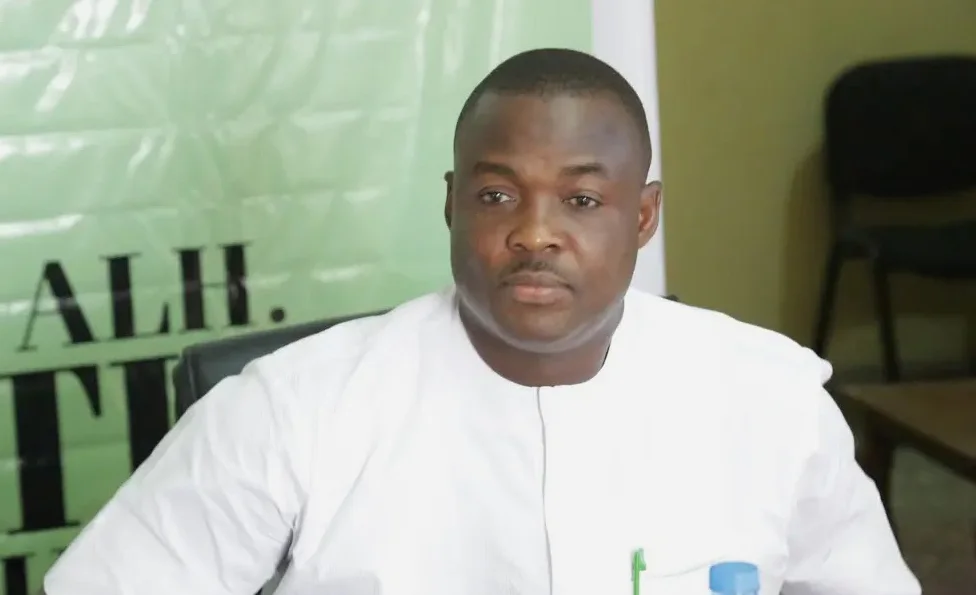
A senior member of the African Democratic Congress (ADC), Oladimeji Fabiyi, has accused the Nigerian government of selectively targeting opposition leaders, citing the recent detention of former Kaduna State Governor Nasir El-Rufai as a prime example. Fabiyi said the presidency is acting out of fear, rather than a commitment to justice, according to a statement released on Thursday.
Targeting of Opposition Leaders
Fabiyi, the Deputy National Financial Secretary of the ADC, described the actions against El-Rufai as a coordinated effort by the Economic and Financial Crimes Commission (EFCC), the Department of State Services (DSS), and the Independent Corrupt Practices and Other Related Offences Commission (ICPC). He said these agencies are being used to pursue El-Rufai, a prominent opposition figure, rather than members of the ruling All Progressives Congress (APC) who also face corruption allegations.
“The Presidency seems deeply uncomfortable, worried, and disturbed by the prospect that it may be difficult to secure a conviction against El-Rufai,” Fabiyi said in the statement. He noted that this pattern of action suggests a country where political opponents are being persecuted rather than held accountable for their actions.
Historical Context of Political Persecution
Fabiyi referenced past statements by former APC leader Adams Oshiomhole, who once claimed that joining the ruling party would automatically absolve individuals of corruption allegations. This, he said, highlights a pattern in which the APC has historically shielded its members from legal consequences, while opposition figures face more scrutiny.
“The memory is still fresh of how Adams Oshiomhole publicly declared that once anyone joins the ruling APC, no matter how heavily corruption allegations hang over their head — all their past sins are instantly forgiven,” Fabiyi noted. He argued that this double standard is being applied once again with the current targeting of El-Rufai.
Implications for Democracy and the Rule of Law
The actions against El-Rufai have raised concerns among civil society groups and legal experts about the erosion of the rule of law in Nigeria. El-Rufai, who previously served as Kaduna’s governor, has been a vocal critic of the current administration and has been actively involved in opposition politics.
“El-Rufai has effectively become a political prisoner of war,” Fabiyi said. “This pattern of action speaks volumes about the kind of country we are becoming.”
Analysts have warned that the selective targeting of opposition leaders could undermine public trust in the judiciary and anti-corruption agencies. The EFCC, DSS, and ICPC have long been criticized for being used as political tools rather than impartial enforcement bodies.
According to a recent report by the International Crisis Group, Nigeria has seen a rise in politically motivated arrests since the current administration took office. The report cited data showing that over 40% of high-profile corruption cases since 2023 have involved opposition figures or critics of the ruling party.
“The government must ensure that all legal actions are transparent and based on evidence, not political motives,” said a statement from the Nigerian Bar Association. “Otherwise, the credibility of our institutions will continue to erode.”
Fabiyi called on the public to remain vigilant and to hold the government accountable. “We cannot allow the country to become a place where power is used to silence dissent and punish political enemies,” he said.
As the legal proceedings against El-Rufai continue, the ADC and other opposition groups are preparing for potential legal challenges and public demonstrations to highlight what they describe as the government’s abuse of power.
“What’s next is a matter of concern for all Nigerians who value democracy and the rule of law,” Fabiyi said. “We must ensure that justice is not a selective tool in the hands of those in power.”





Comments
No comments yet
Be the first to share your thoughts