

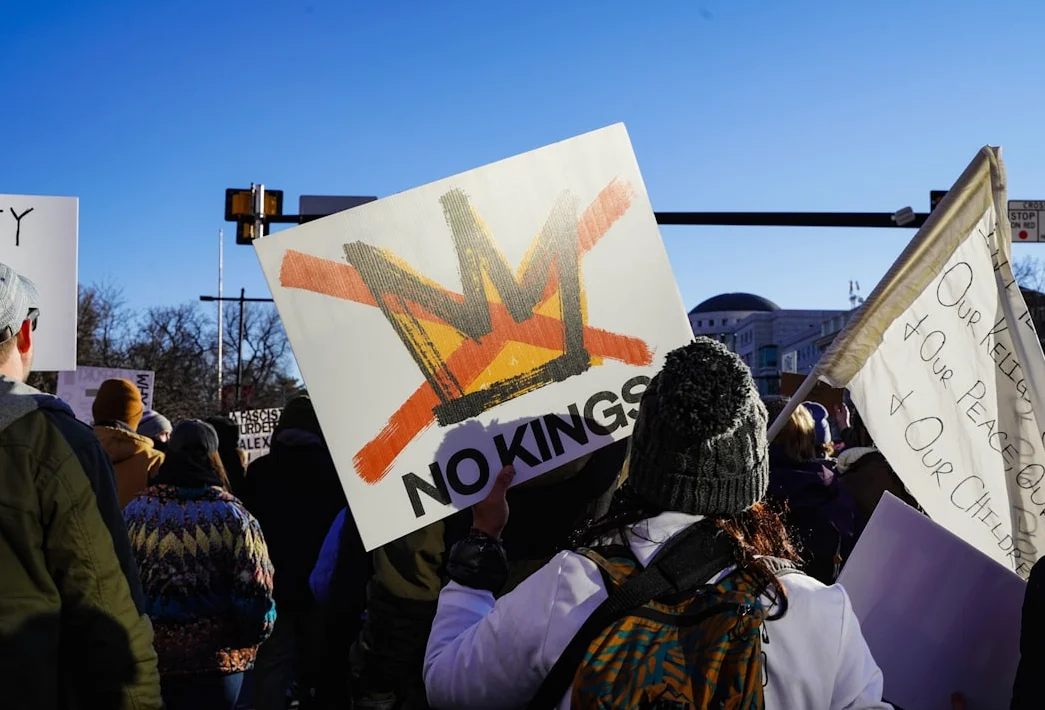
On March 28. 2026, the United States witnessed a historic surge of public dissent as millions of citizens participated in the ‘No Kings’ protest, a nationwide movement against former President Donald Trump and his political influence. The demonstrations. Which took place in over 1. 000 cities across the country. Saw an estimated 8 million participants. According to Japanese media outlet Yomiuri Shimbun and South Korean newspaper JoongAng Ilbo, while the protests, organized under the banner of ‘No Kings,’ focused on opposition to Trump’s policies, perceived authoritarian tendencies, and the erosion of democratic norms.
Protest Scale and Geographic Reach
The ‘No Kings’ demonstrations reached their peak in major urban centers such as Washington, D.C., New York City, and Los Angeles, but also saw significant turnout in suburban and rural areas, according to reports from CNN and USA Today. In St. Paul, Minnesota, one of the largest gatherings of the day saw over 500,000 people, with prominent political figures and celebrities in attendance, as reported by German news outlet tagesschau.de.
According to the Yomiuri Shimbun. The protests were particularly intense in states where Trump had previously held strong support, such as Florida and Texas, with demonstrators calling for his removal from public life and the arrest of those they believe have violated the Constitution. In Florida. Clashes between ‘No Kings’ protesters and Trump supporters were reported, with some incidents resulting in arrests, as noted in a CNN report.
South Korean media reported that the demonstrations in the U.S. were the largest of their kind in the country’s history, with 8 million people participating, surpassing the 2020 Black Lives Matter protests. The JoongAng Ilbo noted that the movement has gained momentum in the wake of recent political scandals and the growing perception that Trump’s influence continues to threaten democratic institutions.
Political and Legal Implications
The ‘No Kings’ protests have sparked a wave of political action, with lawmakers and legal experts calling for greater accountability. According to the Yomiuri Shimbun, several state attorneys general have pledged to investigate potential violations of the Constitution by Trump and his allies, citing concerns over the concentration of power.
Meanwhile, in South Korea, JoongAng Ilbo reported that the protests have influenced the political discourse in the region, with some analysts drawing parallels to the anti-corruption movements in South Korea. The article noted that the ‘No Kings’ movement has inspired similar calls for transparency and the rule of law in other democracies.
German media outlet tagesschau.de highlighted that the demonstrations in the U.S. have raised questions about the resilience of democratic institutions in the face of growing polarization. The report stated that the protests were not only about Trump but also about the broader erosion of trust in the political system.
Public Sentiment and Local Impact
The ‘No Kings’ protests have had a profound impact on local communities, with many citizens expressing both support and concern about the movement. According to Yomiuri Shimbun, in Tokyo, Japanese officials reported a surge in interest from Japanese expatriates and citizens in the U.S., with many expressing solidarity with the movement. One Japanese-American participant said, ‘I’ve never seen such a unified movement in my lifetime. It feels like a turning point for democracy,’ as reported by the Japanese news outlet.
In South Korea, JoongAng Ilbo noted that the protests have sparked discussions about the role of foreign influence in domestic politics, with some analysts warning of the potential for external actors to exploit the situation. The article also reported that several Korean-American activists have been traveling to the U.S. to join the demonstrations, highlighting the movement’s international reach.
German media highlighted the emotional impact of the protests, with many participants expressing fear that the movement could lead to further political instability. One demonstrator in Berlin, who attended a related rally in support of the U.S. movement, said, ‘It’s scary to see how quickly things can spiral, but I believe in the power of people to demand change,’ as reported by tagesschau.de.
Future Implications and What’s Next
The ‘No Kings’ protests are expected to have long-term consequences for U.S. politics. According to CNN, the movement has already influenced the upcoming midterm elections, with several candidates aligning themselves with the demands of the protesters. The article noted that the protests have also pressured lawmakers to introduce legislation aimed at limiting the power of former presidents and ensuring the separation of powers.
USA Today reported that the movement has also sparked a wave of grassroots activism, with local chapters of the ‘No Kings’ movement forming in cities across the country. The article stated that the protests have inspired a new generation of activists to engage in political discourse and demand accountability from their leaders.
Yomiuri Shimbun noted that the protests have also raised concerns about the potential for further political polarization, with some experts warning that the movement could lead to increased tensions between different political factions. However, the article also highlighted the resilience of the movement and its potential to bring about meaningful change.
German media outlet tagesschau.de emphasized that the protests have become a global symbol of resistance against authoritarianism and the protection of democratic values. The article concluded that the ‘No Kings’ movement is likely to continue influencing political discourse in the U.S. and beyond in the coming months and years.






Comments
No comments yet
Be the first to share your thoughts