

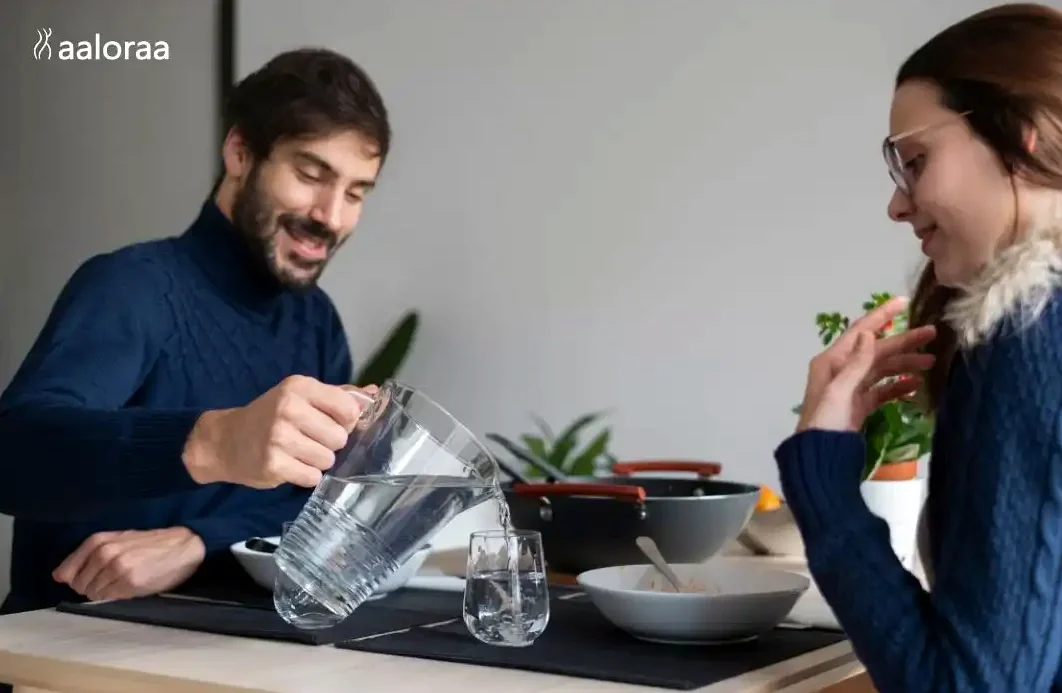
A growing number of individuals are abandoning traditional hydration methods such as alarms and tracking apps, opting instead for a no-reminder hydration system designed to make drinking water automatic. This approach, backed by behavioral science, focuses on reducing friction and aligning water intake with existing daily routines, according to experts in health behavior.
Design Over Discipline
The traditional method of relying on reminders or apps to track water intake has proven to be unsustainable for many. The more effort something requires, the less likely it is to become a habit. Instead, the new strategy emphasizes design and environment over willpower. By making water more accessible and integrating it with daily routines, people can hydrate without conscious effort.
According to the Business Telegraph, the key is to reduce the number of steps needed to drink water. A 750ml or 1-liter bottle, for instance, reduces the need to refill frequently, making it easier to consume more water throughout the day. This small design change can lead to significant behavior shifts over time.
Anchor Points and Habit Stacking
One of the core principles of the no-reminder system is habit stacking—linking hydration to existing routines. For example, someone might say, ‘After I brush my teeth, I drink a glass of water.’ This method uses the brain’s ability to automate routine tasks, reducing the need for constant reminders.
Experts suggest identifying natural checkpoints in the day, such as waking up, mid-morning, lunch, late afternoon, evening, and before bed. Assigning a glass of water to each of these times can create a rhythm that supports hydration without requiring conscious effort.
‘When hydration aligns with your daily flow, it stops feeling forced,’ said a health behavior specialist who spoke to the Business Telegraph. ‘It becomes a natural part of your day, not a task on your to-do list.’
Visibility and Identity
Another critical factor is making water visible and easily accessible. When water is out of sight, it tends to be out of mind. By keeping a water bottle on the desk, in the car, or on the kitchen counter, individuals are more likely to reach for it without thinking.
Moreover, making hydration visible can reinforce identity. If someone is in an office or shared space, having a water bottle on display sends a subtle message: ‘I take care of my health.’ Over time, this identity can reinforce the behavior, making it more consistent.
The Business Telegraph highlights that this strategy is particularly useful for people in high-stress environments, including professionals and service workers, who often rely on structured routines to maintain balance and consistency in their lives.
According to the article, the no-reminder system is not about adding more tasks to the day but about redesigning the environment to support natural habits. It requires no app downloads, no notifications, and no constant reminders. Instead, it relies on small, intentional design choices that make hydration effortless and automatic.
As more people seek sustainable ways to improve their health, the no-reminder hydration strategy is gaining popularity. It reflects a broader shift in health behavior that prioritizes ease, visibility, and integration over strict discipline and tracking.






Comments
No comments yet
Be the first to share your thoughts