

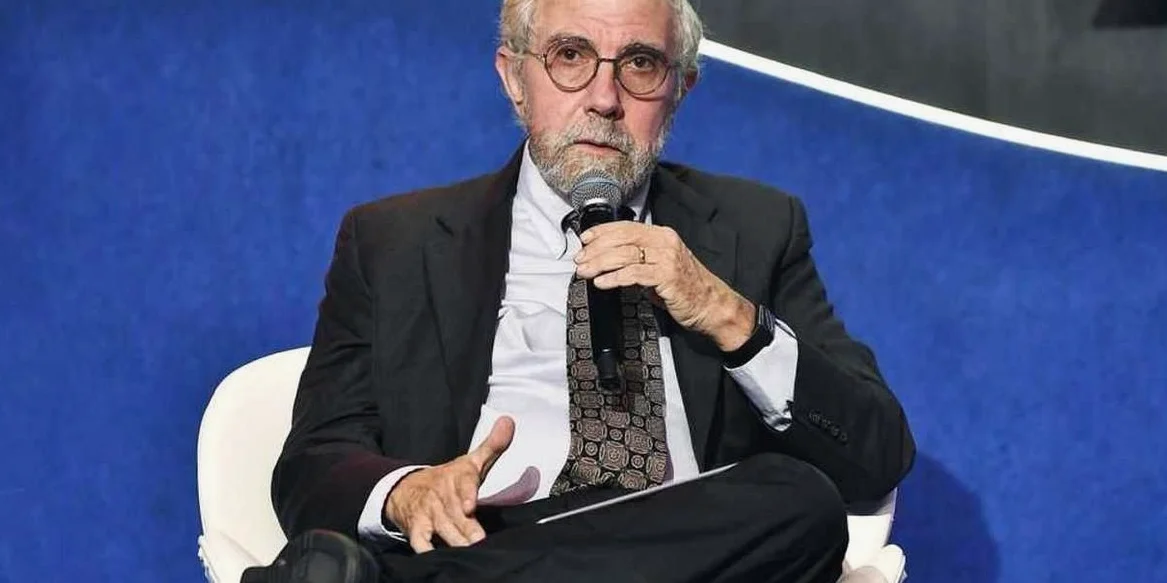
Nobel Prize-winning economist Paul Krugman has raised alarm over the economic consequences of President Donald Trump’s policies, arguing that the administration’s focus on military spending has come at the expense of vulnerable Americans. In a recent Substack post, Krugman highlighted how Trump’s decisions to defund key social programs and engage in costly military operations have disproportionately harmed the poor.
The Cost of War
Krugman points to Trump’s military actions against Iran-backed groups, including a one-day strike against suspected Iranian nuclear facilities, as an example of excessive spending. He cites Harvard’s Linda Bilmes, who estimates that Trump’s bombing campaign against the Houthis in Yemen cost between $2.76 billion and $4.95 billion. Operation Midnight Hammer, the one-day strike, alone cost between $2.04 billion and $2.26 billion.
According to Krugman, the current conflict with Iran involves not only bombing but also the deployment of expensive interceptors to defend U.S. bases and allies from Iranian drones and missiles. ‘In just a few days, we have surely incurred billions of dollars in cost,’ he wrote, warning that if the war continues, the costs could reach $20 to $30 billion.
Spending Priorities Under Scrutiny
Krugman noted that conservatives often criticize federal spending on social programs, claiming the U.S. cannot afford them. However, he argues that Trump’s One Big Beautiful Bill Act imposes cuts to food assistance and healthcare programs, despite evidence showing the long-term costs of not providing these services are far higher than the cost of providing them.
He compared the cost of the war with the funding for critical social programs. The Supplemental Nutrition Assistance Program (SNAP), formerly known as food stamps, spends an average of about $2,400 per recipient annually. The Children’s Health Insurance Program (CHIP), administered under Medicaid, provides thorough healthcare for about $3,000 per child.
Krugman calculated that replacing three jets shot down over Kuwait — each valued at $97 million — would cost about as much as providing food aid to 125,000 Americans or healthcare to 100,000 children. ‘The war might very well end up costing 100 times as much as the price of those jets,’ he wrote.
Impact on the Poor
The defunding of the U.S. Social Security Administration (SSA), SNAP, and Obamacare subsidies has had a direct impact on the most vulnerable Americans. These programs provide critical support to millions of low-income individuals and families, particularly during times of economic hardship.
Krugman emphasized that the war with Iran is not only expensive but also diverts resources from essential domestic programs. ‘If we compare the cost of this war to what we spend to help needy Americans, then it’s clear that this war is extremely expensive compared with other ways we could have spent the funds,’ he said.
Analysts have warned that the long-term consequences of these cuts could be severe. Without adequate support, millions of Americans may face increased poverty, food insecurity, and lack of access to healthcare. The impact is likely to be felt most acutely by children, the elderly, and those with disabilities.
According to the U.S. Department of Agriculture, about 10.5% of Americans lived in poverty in 2022. With the recent cuts to SNAP and other programs, that number could rise. The Congressional Budget Office (CBO) has also warned that without intervention, the cost of inaction could be measured in trillions of dollars over the next decade.
As the conflict with Iran continues, the administration faces mounting pressure to reconsider its spending priorities. With the upcoming budget cycle and potential policy changes, the debate over how to allocate federal resources will likely remain a central issue in U.S. politics.


Comments
No comments yet
Be the first to share your thoughts