

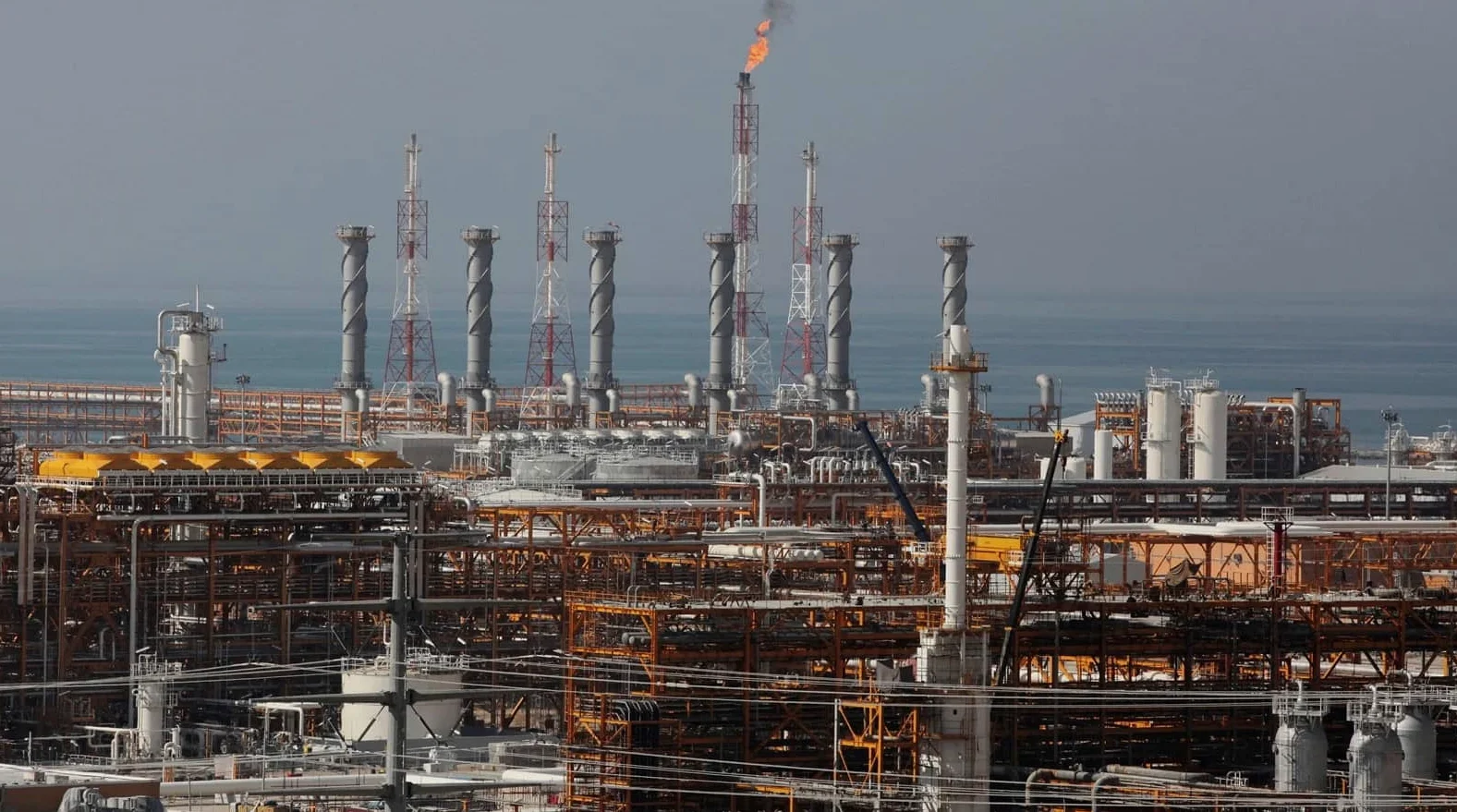
It was once considered a symbol of regional cooperation. Now, the North Dome Gas-Condensate Field, the world’s largest natural gas reserve, is at the center of a dangerous new front in the Middle East war. Recent attacks on this critical infrastructure have not only rattled regional politics but have sent shockwaves through global energy markets, raising fears of a prolonged disruption to the world’s most vital energy lifeline.
The Strategic Importance of the North Dome Field
The North Dome Gas-Condensate Field, also known as South Pars in Iran, spans across the Persian Gulf, straddling the borders of Iran and Qatar. With an estimated 1,800 trillion cubic feet of natural gas reserves, it is the largest single gas field in the world. This vast resource is the backbone of both nations’ energy economies. For Iran, it supplies nearly 70% of domestic natural gas needs, powering industries and homes. For Qatar, it fuels the country’s global LNG exports, which make up a significant portion of its GDP.
But this shared resource has also become a target in the ongoing geopolitical chess game. Recent strikes on the field have not only disrupted operations but have also underscored the growing risk of direct attacks on energy production, a shift from previous conflicts where only infrastructure was targeted.
A New Escalation in the Middle East Conflict
For the first time in this war, upstream gas production facilities are under direct attack. The latest strikes have been described as a turning point. On Tuesday, Iranian drones struck the Shah gas field in the UAE, forcing a temporary shutdown. Then, on Wednesday, an Israeli airstrike hit the South Pars portion of the North Dome field, prompting Iran to retaliate with missile attacks on Qatar’s Ras Laffan LNG facility, one of the largest in the world.
These attacks have triggered a cycle of retaliation that threatens to escalate further. Iran’s missile strikes on Qatar’s energy infrastructure were met with sharp condemnation from the Qatari government, which warned that the attacks were a direct threat to global energy security. In response, US President Donald Trump issued a stark warning: if Iran were to strike Qatar again, the United States would “massively blow up the entirety of the South Pars Gas Field.”
Global Energy Markets in Turmoil
The ripple effects of these attacks are being felt far beyond the Persian Gulf. Crude oil prices have surged, with Brent crude exceeding $110 per barrel, a level not seen since the height of the pandemic. This spike has triggered a cascade of effects across financial markets, with silver futures tumbling as investors flee to safer assets. The Pakistan Stock Exchange saw its benchmark index fall sharply, with analysts attributing the decline to fears of rising fuel costs and inflation.
Markets are now pricing in the risk of prolonged energy disruptions. Analysts note that the North Dome field’s strategic position means that any prolonged damage could have far-reaching consequences. Unlike oil, which can be stored in large quantities, natural gas, particularly LNG, is more complex to transport and rebuild. As Saul Kavonic of MST Financial observed, “Removing even a few million barrels of output could have lasting consequences because there is no way to refill stocks even after the war ends.”
The Economics of Energy Disruption
The North Dome field’s role in global energy markets cannot be overstated. Qatar’s LNG exports alone account for roughly 15% of global supply, and any disruption to this field would have immediate and severe implications. The field’s proximity to key shipping lanes in the Gulf also makes it a strategic target for any nation seeking to control energy flows.
Analysts warn that the current situation could lead to a prolonged period of energy scarcity, which would drive up prices and fuel inflation. The US Federal Reserve has already signaled that it will not cut interest rates until inflation shows signs of easing, a decision that is now being influenced by the growing uncertainty in the energy sector.
Historical Parallels and Lessons Learned
While this is the first time that the North Dome field has been directly targeted in a conflict, there are historical parallels. In the 1980s, the Iran-Iraq War saw repeated attacks on oil infrastructure in the Gulf, including the attack on the supertanker Kharg, which resulted in massive oil spills and environmental damage. These attacks, however, were more limited in scope and did not target production facilities to the same extent as today’s conflict.
Experts warn that the current situation could lead to a protracted energy crisis if the attacks on the North Dome field continue. Unlike the past, when oil was the primary focus of conflict, the role of natural gas in global energy markets has grown significantly. LNG is now a critical component of energy security for many countries, and any disruption to its supply could have cascading effects on global economies.
What Comes Next?
The future of the North Dome field—and the broader Middle East conflict—remains uncertain. While Trump’s warning has served as a deterrent, the possibility of further attacks remains high. The situation is further complicated by the involvement of multiple regional actors, including Israel, Iran, and Qatar, each with its own strategic interests.
Analysts suggest that the global community must act to de-escalate tensions and protect critical energy infrastructure. The United Nations and other international bodies have called for restraint, but the effectiveness of such appeals remains to be seen. As the situation unfolds, the world will be watching closely, knowing that the fate of the North Dome field could shape the future of global energy markets for years to come.
In the end, the North Dome Gas-Condensate Field is more than just a reservoir of natural gas. It is a symbol of the delicate balance between energy security and geopolitical conflict, a balance that is now under unprecedented strain.






Comments
No comments yet
Be the first to share your thoughts