

 The New York Times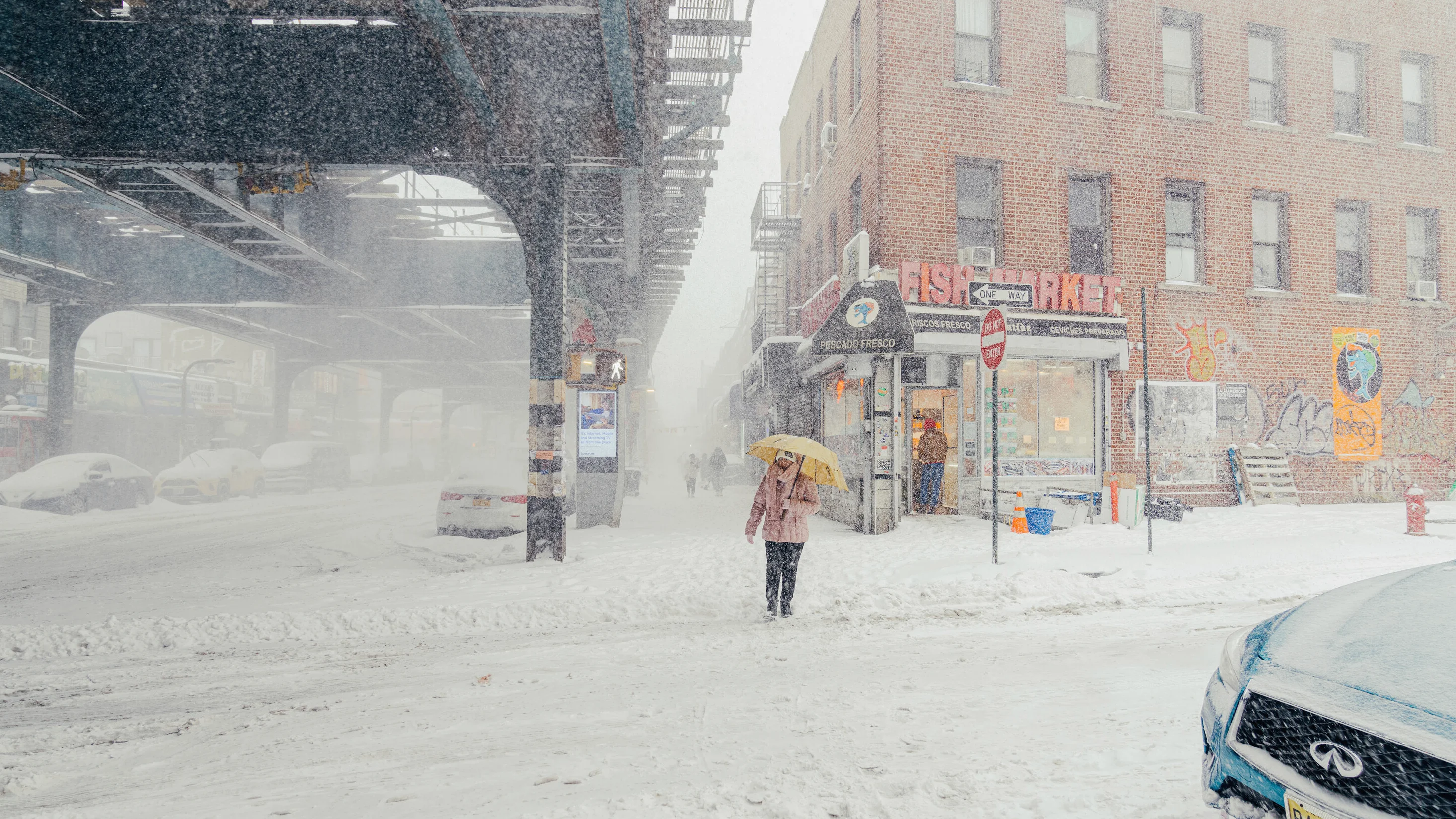
New York — The New York Times Weather team sets itself apart by focusing on what forecasts can’t predict with certainty. Reporters like Judson Jones, Amy Graff and Nazaneen Ghaffar, along with deputy editor Erin McCann and team leader John Keefe, shared details of their process in recent interviews.
Launched in 2022 and grown in 2024, the team pairs reporters, a meteorologist, graphics editors and data engineers. They collaborate with the graphics department and newsroom colleagues during severe weather. This weekend, they monitored a nor’easter ready to deliver blizzard conditions along the coastal Northeast. Just last week, coverage included a powerful storm system striking California — triggering a deadly avalanche — fierce winds killing people in Colorado, Oklahoma wildfires, New York air quality drops and avalanches in Austria.
Keefe pointed to two key shifts from past Times weather reporting. ‘We cover extreme weather — snowstorms, hurricanes, heat waves — more often and, in many cases, before it happens,’ he said. Advances in forecasting allow reliable warnings days ahead. Even with uncertainties, the team explains them clearly.
Unlike weather apps that dump raw data, the team provides context. ‘We avoid purely deterministic forecasts and instead offer a probabilistic view,’ Jones said. They outline likely scenarios and outliers, treating readers as collaborators. Ghaffar added that forecasts rely on likelihoods, not guarantees. Small atmospheric changes can alter ground outcomes dramatically.
Decisions on coverage prioritize usefulness. ‘We’re a small team and it’s a big world,’ McCann said. They target extreme or unusual events, from massive winter systems affecting half the U.S. population to quirky Northern California water features after heavy rain. Potential danger to people guides choices, especially pre-hurricane when forecasts evolve rapidly. The team counters online hype over outlier models — like predictions of a foot of snow when an inch seems likelier — by supplying context.
Daily work starts with global forecast models. Jones, holding a meteorology certificate from Mississippi State University, flags anomalies and maintains independent forecasts. He interprets specialist jargon into actionable stories. As models converge three days out, coverage planning ramps up.
Graff consults 24/7 National Weather Service offices nationwide. Forecasters there share regional concerns and uncertainties. For California rain and flooding risks, the team reaches experts at the University of California, San Diego’s Center for Western Weather and Water Extremes.
Keefe’s group ingests National Weather Service data every few minutes, plus specialized feeds. NASA satellites and Cal Fire data track wildfires. U.S.G.S. maps earthquakes. PowerOutage.com monitors blackouts.
Despite 2025 staffing cuts at the Weather Service, service held steady, Jones noted. The agency was already stretched thin but adept at prioritizing storms. Early warnings continued uninterrupted. Experts predict issues may emerge in a couple of years as strains build.
On climate change, McCann said the Times’ Climate team supplies long-term context. The Weather team handles day-to-day forecasting. More extreme weather occurs now, but they stress scientific limits in linking single events to trends. Coverage weaves short-term predictions with broader changes, always grounded in data.
Keefe praised the Times’ visual journalists as the world’s best. They craft clear visualizations from dense data. When issuing stark warnings — like wildfire risks a day before last year’s catastrophic Los Angeles fires — decisions follow rigorous review. The goal: trusted information without the hype that plagues other outlets.





Comments
No comments yet
Be the first to share your thoughts