

 BBC
BBC 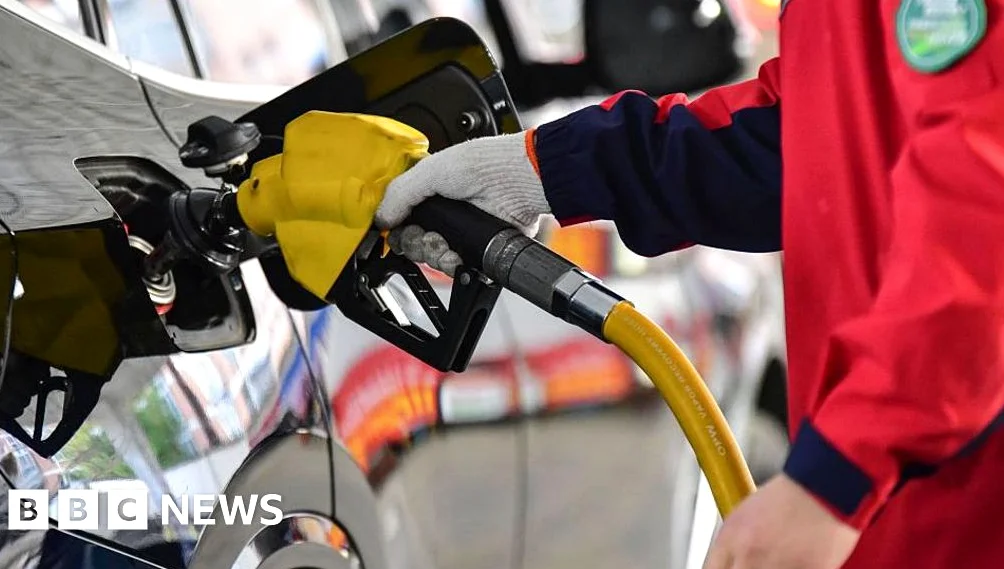
Oil Prices Drop as Strait of Hormuz Reopens
Benchmark Brent crude fell by about 13% to $94.80 (£70.73) a barrel, while US-traded oil was more than 15% lower at $95.75, according to the BBC. Despite the drop, oil prices remain higher than before the conflict started on 28 February, when it was trading at around $70 a barrel.
The cost of energy has jumped as oil and gas supplies from the Middle East have been severely disrupted after Iran threatened to attack ships trying to use the strait in retaliation to US and Israeli airstrikes. Major stock indexes in the Asia-Pacific region rose on Wednesday morning as the ceasefire deal provided some relief to markets.
Asia-Pacific Markets Surge
Japan’s Nikkei 225 gained by 5% while South Korea’s Kospi jumped by nearly 6%. Hong Kong’s Hang Seng was up by 2.8%, while the ASX 200 in Australia gained 2.7%. US stock market futures also pointed to a higher open for Wall Street, indicating optimism about the economic impact of the ceasefire.
Futures contracts are an agreement to buy an asset for a set price at a later point in time. In the case of US stock futures, they can indicate the direction of the market before it opens. Investors are watching closely as the ceasefire may lead to a stabilization of energy prices in the coming weeks.
Trump and Iran Reach Agreement
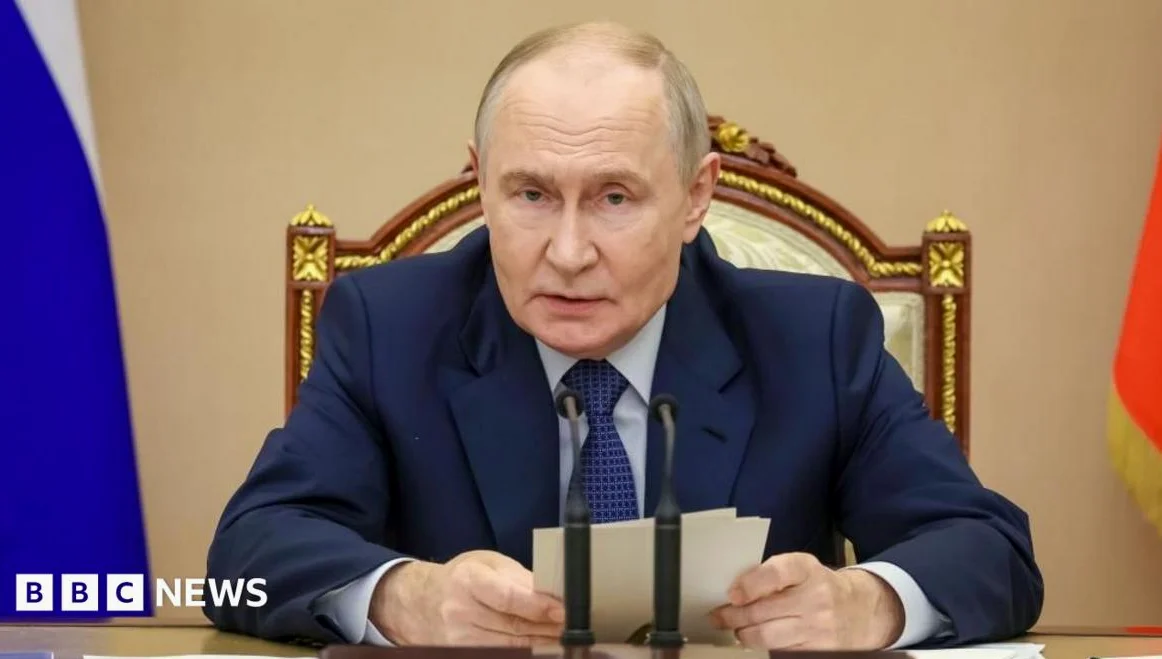
In a social media post on Tuesday evening, Trump said: “I agree to suspend the bombing and attack of Iran for a period of two weeks… subject to the Islamic Republic of Iran agreeing to the COMPLETE, IMMEDIATE, and SAFE OPENING of the Strait of Hormuz.” He had set a deadline for 20:00 EDT on Tuesday (00:00 GMT on Wednesday), threatening that “a whole civilisation will die tonight” if no deal was reached.
Iranian Foreign Minister Abbas Araghchi said on social media that Tehran will agree to a ceasefire “if attacks against Iran are halted”, adding that safe passage through the Strait of Hormuz “will be possible.” Despite his threats, Trump was likely to be wary about letting energy prices “skyrocket” by escalating the conflict, said Xavier Smith from market research firm AlphaSense.
That could have led to a “self-inflicted economic wound” that few would risk, especially given the looming pressure of approval ratings on Trump’s leadership, Smith said. More oil tankers stranded near the strait may be able to pass through the waterway during the ceasefire, providing some relief for markets in the coming weeks, said Saul Kavonic from MST Marquee.
Despite the conflict, some ships have passed through the Strait of Hormuz, although far fewer than usual. China has also acknowledged that several of its ships have crossed the strait since the war began. And a Japanese ship carrying natural gas also made it out of the strait, shipping giant MOL confirmed.
Kavonic said that while a ceasefire is in place, it is still unlikely that energy production in the Middle East will fully resume until there is confidence of a lasting peace deal. It could also take months for production to restart due to damage done to energy infrastructure in the region, he said.





Comments
No comments yet
Be the first to share your thoughts