

 BBC
BBC 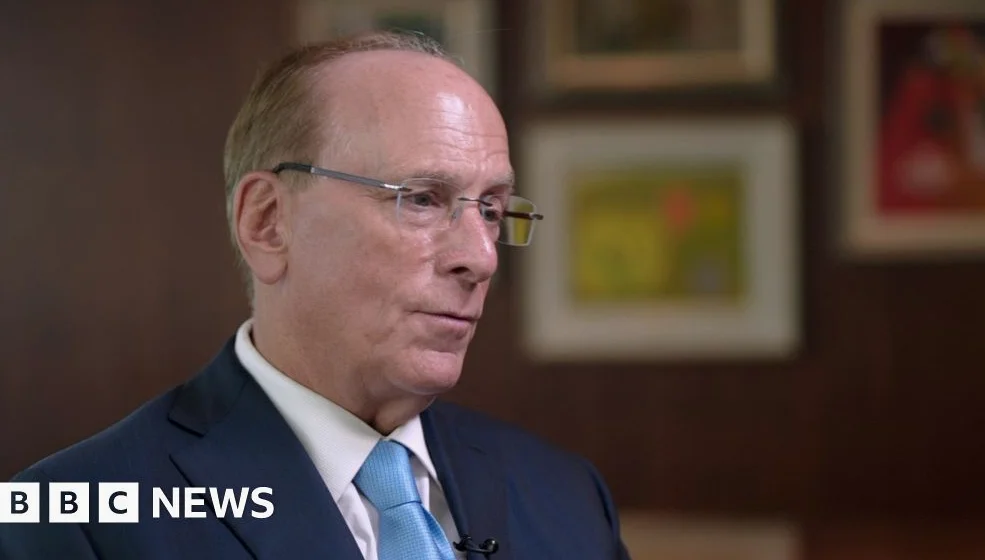
BlackRock, which manages $14 trillion in assets, has warned that if oil prices climb to $150 a barrel, the global economy could face a severe recession. Larry Fink. The firm’s chief executive. Made the warning during an exclusive interview with the BBC, highlighting the potential economic fallout from a sustained increase in energy costs. He said the situation could be exacerbated if Iran remains a threat to global stability, which would keep oil prices high and have ‘profound implications’ for the world economy.
Energy Prices and Recession Risks
Fink outlined two potential scenarios for the Middle East conflict — If the situation is resolved and Iran is reintegrated into the international community, oil prices may fall back to pre-war levels. However, if the conflict continues, oil prices could remain above $100 per barrel, potentially rising to $150. This, he said, could lead to ‘a probably stark and steep recession’ with widespread economic consequences.
The surge in energy costs has already sparked debates in the UK about the need to boost domestic oil and gas production. The Offshore Energies UK industry body warned that without increased production, the country risks becoming overly reliant on imports during a period of global instability. Fink, however, emphasized that countries must adopt a pragmatic approach to their energy mix, using all available sources while ensuring access to cheap energy, which is key to driving economic growth and raising living standards.
He described rising energy prices as a ‘very regressive tax,’ noting that the burden falls disproportionately on the poor — If oil prices remain at $150 for three to four years, Fink predicts a rapid shift toward renewable energy sources such as solar and wind. He urged nations to avoid over-reliance on a single energy source and to aggressively pursue alternative energy solutions.
Financial System Resilience
Some analysts have drawn comparisons between the current market dynamics and the lead-up to the 2007-08 financial crisis, with energy prices surging and signs of cracks emerging in the financial system. However, Fink dismissed the notion that a repeat of the 2007-08 crisis is imminent, stating there are ‘zero similarities’ between the two periods.
He argued that modern financial institutions are more resilient than they were in 2007-08, and while some private credit funds have seen limited withdrawals, the overall market remains strong. Fink also rejected the idea of an AI bubble, stating that while some AI companies might fail, the technology’s potential is too significant to dismiss. He highlighted BlackRock’s recent $40 billion investment in Aligned Data Centres, a major data centre provider, as evidence of the firm’s belief in AI’s significant power.
Fink warned that the US and Europe are lagging behind China in energy infrastructure, particularly in solar and nuclear power. In Europe. He said. There is ‘a lot of talk and no action,’ while in the US, despite energy independence, there is a need to focus on solar power to support AI development. He emphasized that cheap, inexpensive energy is essential for the advancement of AI technology.
AI and the Future of Work
In his annual letter to shareholders. Fink warned that the AI boom could widen inequality, with only a few firms and investors benefiting. However, during his BBC interview, he emphasized that AI will create new job opportunities, particularly in fields such as plumbing, electrician work, and welding, while he argued that while some office jobs may decline, the demand for skilled trades will increase as society evolves.
Fink criticized the overemphasis on higher education in the US, noting that after World War II, the country encouraged young people to pursue college degrees. He said this approach may have been excessive and warned that the US needs to rebalance its priorities, recognizing that careers in trades such as plumbing and electrical work can be just as strong as those in higher education.
He stressed the importance of rethinking the roles people are trained for, suggesting that many individuals might have been better suited for skilled trades than for careers in banking, media, or law. Fink called for a new approach to education and career development that values both academic and technical training equally.
Fink’s comments come amid growing uncertainty in global financial markets, as energy prices remain volatile and the Middle East conflict continues. His warnings about the economic risks of a sustained rise in oil prices to $150 a barrel serve as a stark reminder of the interconnectedness of global economies and the potential for energy shocks to trigger broader economic crises.






Comments
No comments yet
Be the first to share your thoughts