

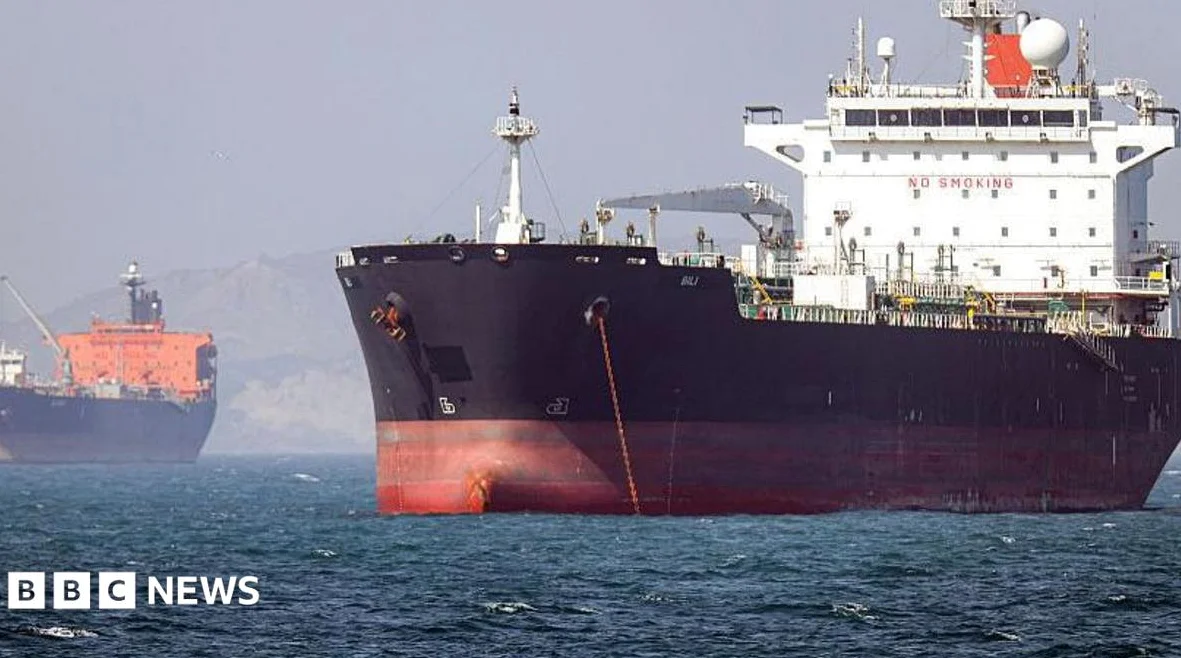
On Tuesday, global oil prices dropped sharply as hopes grew that the Strait of Hormuz, a key oil transit route, could soon reopen — Brent crude fell 4.33% to $73.74 per barrel, while U.S. West Texas Intermediate (WTI) prices dropped 3.92% to $70.34 per barrel, according to TradingView and the ICE futures exchange, these were the lowest levels since February 27, before the U.S.-Iran conflict escalated, as reported by the KOSPI market analysis.
Diplomatic Progress in Talks
U.S. State Department officials confirmed progress in ongoing discussions between Iran and Oman regarding the reopening of the Strait; Undersecretary of State for Political Affairs David Bessent said a deal could be reached as soon as Tuesday or Wednesday, according to the BBC. “There’s been progress made in those talks, but not finality yet; We’re hoping that will happen very shortly,” he added.
Iran’s foreign ministry spokesman stated that talks with Oman,acting as a mediator,had been positive, Iran clarified that it was not negotiating directly with the U.S., and Qatar, a key regional mediator, said no direct talks were currently planned. The Strait of Hormuz, which handles about one-fifth of global daily oil and liquefied natural gas supplies, has been a central point of contention in the U.S.-Iran conflict since late February, the BBC reported.
Market Reactions and Economic Impact
Optimism over the potential reopening of the Strait led to a relief rally in global markets, as In South Korea, the KOSPI index rose by 2.74% to 5,377.30, while the exchange rate against the U.S. dollar fell by about 15 won. Foreign investors turned net buyers for the first time in 12 sessions, the KOSPI report said, However, with oil prices still high and the risk of prolonged conflict, concerns about stagflation,rising prices and economic slowdown,persisted.
Meanwhile, data showed that since the main talks began, three tankers carrying 5 million barrels of crude have exited the Strait of Hormuz, with two heading to Asia. Iran stated that during the 60 days of the main talks, vessels would be able to transit the Strait without paying tolls, according to the ICE report.
Broader Regional Tensions
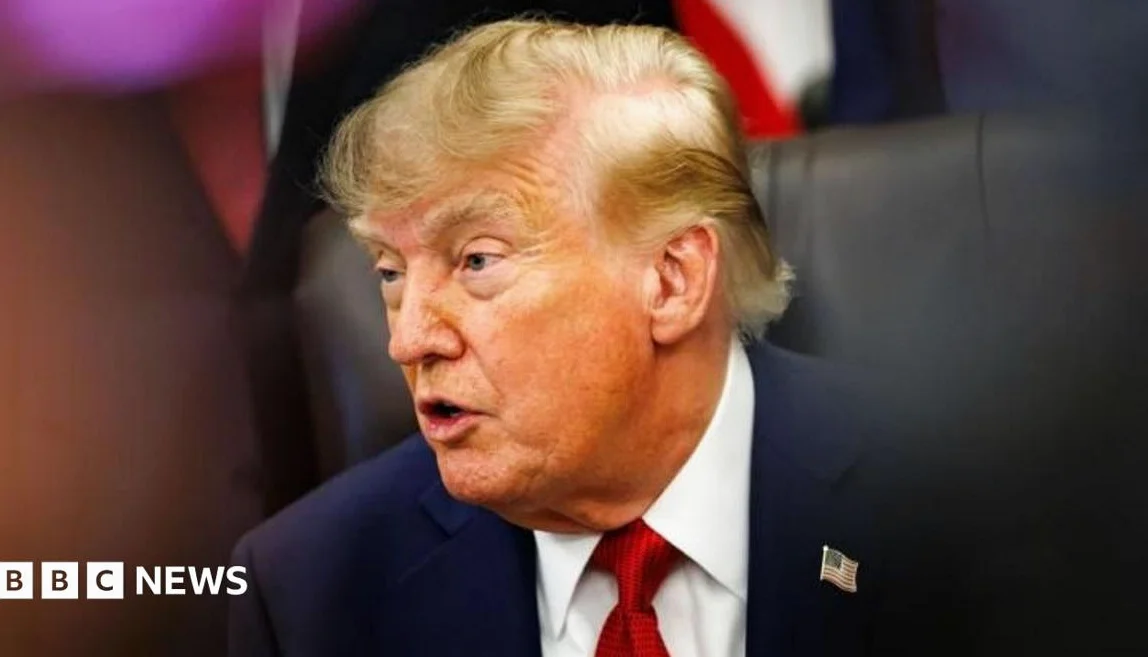
Despite the progress in negotiations, broader tensions in the Middle East remain high. The U.S. continues its blockade of Iranian oil shipments in the Persian Gulf, and President Trump has warned of potential military action, including targeting an Iranian facility suspected of being a nuclear site, the TradingView report said. Houthi militants also claimed to have struck Saudi Aramco-linked facilities in the Red Sea, complicating regional stability and oil flows.
While the Strait of Hormuz remains partially operational, the war has forced Saudi Arabia to rely on alternative export routes, such as the Red Sea ports of Jizan and Yanbu. Yanbu has become a key crude export outlet since the Strait effectively closed to much of the usual traffic, according to TradingView.




Comments
No comments yet
Be the first to share your thoughts