

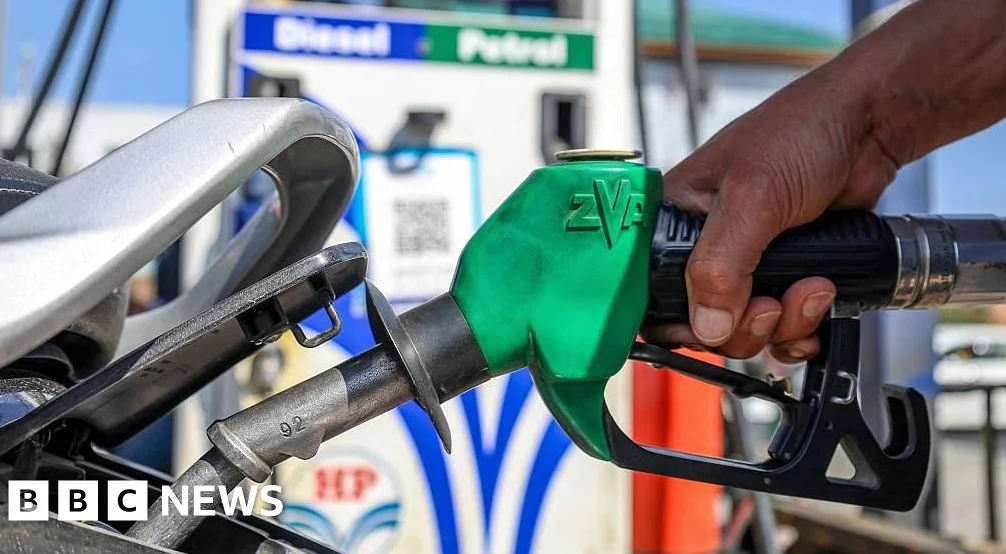
On April 8. Oil prices fell and global stock markets rallied after a two-week ceasefire agreement between the US and Iran was announced, signaling a de-escalation in tensions that had previously driven crude prices to multi-month highs. The deal aims to reopen the Strait of Hormuz, a vital shipping route for global oil exports, and has raised hopes for a broader resolution to the conflict.
Markets React to Ceasefire News
The S&P 500 surged 1.8%. The Dow Jones Industrial Average gained 1.9%, and the Nasdaq rose 2.5% in a two-month best performance, according to AOL.com. In Asia, the Nikkei 225 futures climbed to 56,000 yen, while WTI crude futures fell to $91 per barrel, down from a high of over $110 just days earlier, as reported by a Japanese market observer in Source 1.
European markets also responded positively. The Vienna ATX index rose 3.78% to 5,649 points, with Do&Co shares surging 17% and FACC shares up nearly 11%, according to the Kronen Zeitung. In South Korea, the KOSPI 200 index jumped 5.5%, with tech stocks like SK hynix and Samsung Electronics rising more than 6% and 4.7%, respectively, as noted in Source 5.
Oil Prices Plummet on Reduced Conflict Risk
Prices for North Sea Brent crude for June delivery dropped about 16% to around $92 per barrel—the lowest level since mid-March, according to the Kronen Zeitung. WTI crude for May delivery also fell to a similar level. Previously, tensions had driven Brent crude to $102.50 per barrel following US threats to block the Strait of Hormuz, as reported by Source 2.
The Strait of Hormuz is a critical passage for about 20% of the world’s oil supply. Iran had effectively blocked the strait by raising tariffs and threatening to stop oil shipments, which contributed to a spike in global oil prices. Now, with safe passage guaranteed for two weeks under the ceasefire, market fears have eased. Iranian Foreign Minister Abbas Araqchi confirmed the move, according to the Kronen Zeitung.
Uncertainty Lingers in Energy and Air Transport Sectors
Despite the drop in crude prices, the International Air Transport Association (IATA) warned that kerosene supply recovery could take months, according to the Kronen Zeitung. IATA Chief Willie Walsh noted that refinery disruptions could keep jet fuel prices elevated for some time.
Meanwhile, the US and Iran remain in tense negotiations. Earlier, US President Donald Trump had threatened to block the Strait of Hormuz and resume limited military strikes, according to Source 2. Iranian officials dismissed the threats as bluffs, with Parliament’s Security Committee spokesperson Ebrahim Rezaei calling them expressions of helplessness.
High oil prices had contributed to rising global inflation, and the European Central Bank became the first major central bank to raise interest rates in response to the situation. Higher rates aim to curb inflation but can also slow economic growth and depress investment markets, as noted in Source 3.






Comments
No comments yet
Be the first to share your thoughts