

 BBC
BBC 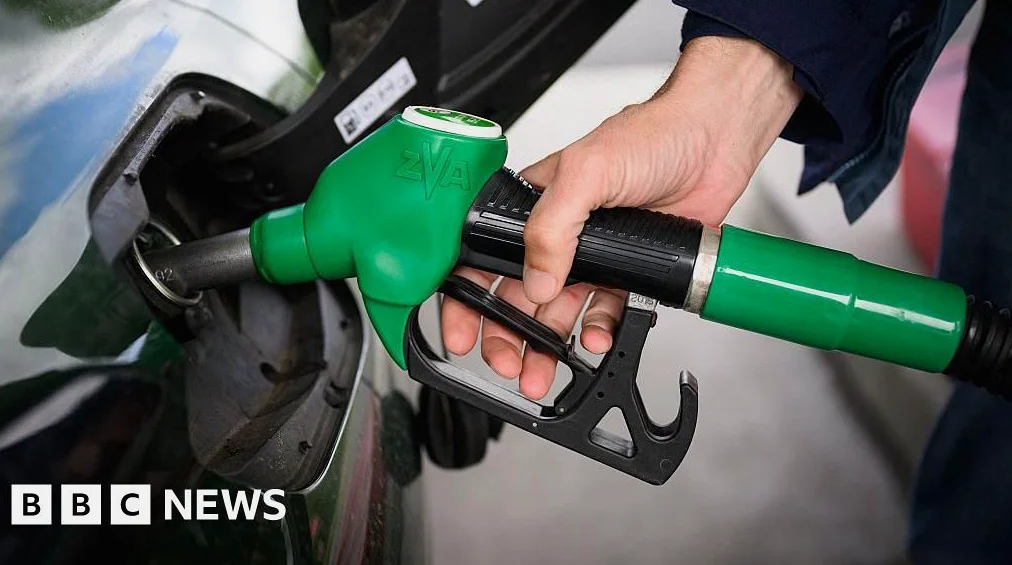
Oil prices have plummeted to $88 a barrel after Iran declared the Strait of Hormuz would be ‘completely open’ to commercial ships for the remainder of the ceasefire in the US-Israel war with Iran, according to the BBC. The cost of a barrel of Brent crude fell sharply after the announcement, having been above $98 earlier on Friday.
The Strategic Significance of the Strait of Hormuz
The Strait of Hormuz is a narrow strip of water south of Iran through which a fifth of the world’s oil and liquified natural gas is typically transported. Iranian Foreign Minister Abbas Araghchi stated, ‘The passage for all commercial vessels through the Strait of Hormuz is declared completely open for the remaining period of ceasefire.’
Global markets responded positively to the announcement. The S&P 500 index of the biggest firms listed in the US closed up 1.2%. The Cac index in Paris and Dax in Frankfurt both ended the day around 2% up while London’s FTSE 100 closed 0.7% up. This indicates a significant shift in market sentiment following Iran’s declaration.
Risks and Concerns Remain Despite the Announcement
Despite Iran’s statement and President Donald Trump’s approval, the international shipping body BIMCO has expressed concerns about the ongoing risks in the area. Jakob Larsen, BIMCO chief safety and security officer, said, ‘The status of mine threats in the traffic separation scheme is unclear and BIMCO believes shipping companies should consider avoiding the area.’
The IMO’s secretary general Arsenio Dominguez said on social media, ‘We are currently verifying the recent announcement related to the reopening of the Strait of Hormuz, in terms of its compliance with freedom of navigation for all merchant vessels and secure passage using the IMO established traffic separation scheme.’
Meanwhile, the head of the International Maritime Organization (IMO) is trying to understand the details behind Iran’s commitment to reopening the Strait of Hormuz, and tracking shows minimal ship movement. This suggests that the situation remains volatile and uncertain.
Economic and Environmental Implications
Sharp rises in the price of oil have pushed up the price of petrol and diesel for drivers, as well as sparking concerns over the supply of jet fuel, leading to fears airlines will have to ground flights. A third of the world’s key fertiliser chemicals pass through the Strait, and prices have risen steeply since the outbreak of war.
Pump prices began to ease on Thursday and continued on Friday, though it remains far more expensive to fill up a tank than it did in February. This highlights the lingering effects of the conflict on global energy markets.
Iran’s statement on re-opening the Strait of Hormuz followed a ceasefire agreement between Israel and Lebanon. US President Donald Trump welcomed the move, writing on Truth Social, ‘IRAN HAS JUST ANNOUNCED THAT THE STRAIT OF IRAN IS FULLY OPEN AND READY FOR FULL PASSAGE. THANK YOU!’ He added that Iran had agreed ‘to never close the Strait of Hormuz again… it will no longer be used as a weapon against the world.’
However, in a follow-up post, Trump said a naval blockade of Iran will remain ‘in full force and effect’ until a permanent deal to end the US-Israel war with the country is agreed. This indicates that the situation remains tense and unresolved.
Despite Iran’s announcement, one oil and gas shipping operator told the BBC it ‘doesn’t change anything’ immediately. ‘We don’t feel like we need to be taking unnecessary risks and our company approach is that we won’t be the first to go through the Strait,’ the operator, who did not want to be named, said.
Another company, Stena Bulk, which operates oil tankers in the region, said it was ‘monitoring developments closely.’ ‘The safety of our crew and vessels governs every routing decision, and we will not transit until we are satisfied it is safe to do so,’ the company added.






Comments
No comments yet
Be the first to share your thoughts