

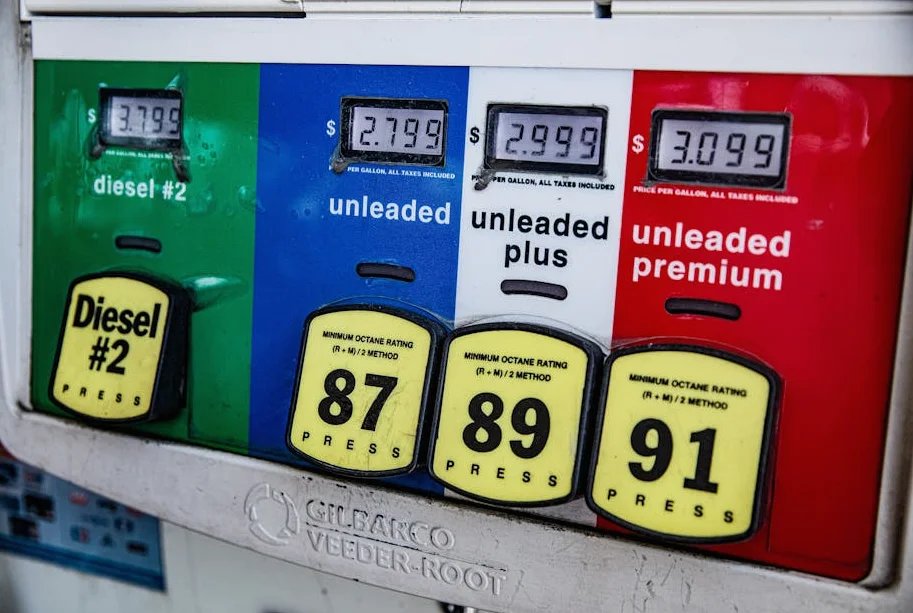
Oil prices surged past $103 a barrel as the U.S. announced a blockade of the Strait of Hormuz, intensifying regional tensions and prompting responses from multiple countries. According to Al Jazeera. The move has deepened a rift in the transatlantic alliance, raising questions about its durability, and Meanwhile, NBC News reported that former President Donald Trump announced the blockade, further escalating concerns over potential conflict in the region.
Regional Tensions and Diplomatic Efforts
According to Al Jazeera. The war in Iran has deepened a rift in the transatlantic alliance, raising questions about whether it can endure, though Islamabad is hosting negotiations as the U.S. and Iran seek an off-ramp, but deep mistrust and regional tensions threaten the talks. Backchannel talks led by Pakistan have resulted in a temporary ceasefire after weeks of fighting.
According to NBC News, U.S. and Iranian officials met in Islamabad for peace talks, but no deal was reached — Vance stated that ‘no deal’ was reached in Iran peace talks, highlighting the ongoing challenges in diplomacy. The U.S. and Iran remain locked in a tense standoff, with both sides showing little willingness to compromise.
Economic Impact and Global Responses
The surge in oil prices has had significant economic repercussions. According to 경향신문, Japan has begun subsidizing refiners, the UK has cut fuel duty, and Germany has limited the number of price increases to mitigate the impact of rising energy costs. These measures reflect the global effort to manage the economic fallout of the oil price surge.
According to 경향신문, Trump said he is ‘not a big fan’ of Pope Leo and has leaned into a religious framing of the Iran war. He also mentioned that oil prices might rise further in the fall, adding to the uncertainty in the energy market. In an interview with Fox News, Trump said, ‘That could happen, it could stay the same, or it could be a bit higher. But generally, it will be about the same.’
According to 경향신문, Iran has responded by saying, ‘Enjoy the current oil prices,’ indicating a willingness to maintain the high prices. This stance has raised concerns about the potential for further escalation in the region.
Domestic Reactions and Policy Measures
On the third day of the policy, the national average price of gasoline rose slightly to 1,992.69 won per liter, according to the Korea Petroleum Corporation’s oil price information system. According to 경향신문, the South Korean government has implemented a third round of measures to cap fuel prices, but the policy has led to increased fuel consumption, contrary to the government’s energy conservation goals.
The situation has sparked public debate in South Korea, with some criticizing the government for inadvertently encouraging fuel overuse. A spokesperson noted, ‘It’s a ridiculous situation where we are asking people to save fuel while also selling more of it.’
According to NBC News, the Democratic candidate faced widespread calls to end his campaign, with many supporters withdrawing their endorsements. This reflects the broader political and economic anxieties surrounding the current situation in the Middle East and its impact on global markets.
The U.S. and Iran are currently locked in a high-stakes game of brinkmanship, with both sides showing little willingness to de-escalate. The situation remains volatile, with the potential for further conflict and economic disruption.


Comments
No comments yet
Be the first to share your thoughts