

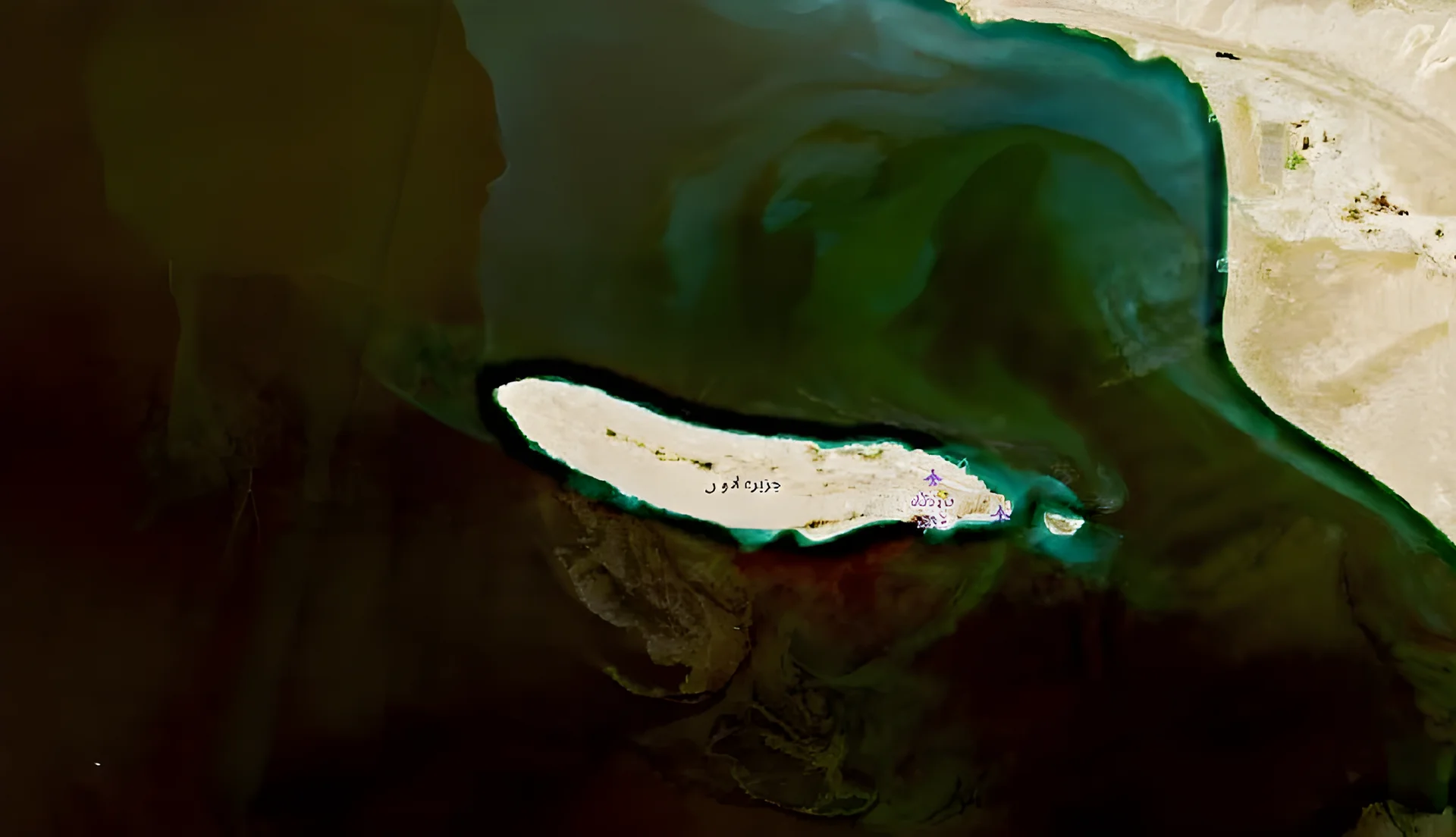
Satellite images have exposed extensive oil spills in the Persian Gulf following recent military actions in the Iran war, with spills visible near Qeshm and Lavan islands. These incidents. Attributed to U.S. and Israeli strikes on Iranian oil facilities, have raised concerns over environmental and public health impacts — According to Greenpeace Germany spokesperson Nina Noelle, an Iranian vessel leaked oil after being hit by U.S. forces on February 28. Another strike on an oil facility near Lavan Island on April 7 triggered a large fire and oil spills, said to be reaching Shidvar Island, a protected area home to turtles and seabirds.
Environmental Damage and Public Health Concerns
Wim Zwijnenburg of Dutch peace organization PAX described the Lavan incident as a “major environmental emergency.” At least five locations on Lavan were damaged, with oil leaking into the sea and spreading to protected areas. Shidvar Island. Located just one mile east of Lavan, is a coral-rich area that supports protected species.
Residents in Iran’s capital. Tehran, also faced environmental risks from the conflict; After an overnight U.S.-Israeli strike on multiple oil facilities, black, oily, and toxic rain fell in the city on April 2, according to news.cgtn.com. Iran’s Red Crescent warned the rainfall could be “highly dangerous and acidic,” potentially causing chemical skin burns and severe lung damage; Videos shared online showed derricks burning and oil spilling into the streets, followed by dense smoke and toxic rain.
Doug Meir of the U.K.-based Conflict and Environment Observatory (CEOBS) explained that oil fires release complex mixtures of pollutants, including nitrogen oxides, carbon monoxide, sulfur dioxide, and volatile organic compounds such as formaldehyde, dioxins, and hydrocarbons. These can cause acute respiratory issues, particularly for those with pre-existing conditions, he told Al-Monitor.
Oil Spills Extend Beyond Iranian Waters
The conflict’s environmental footprint is not limited to Iranian waters. Satellite images also captured oil spills off Kuwait’s coast on April 6, according to Zwijnenburg. Iran’s Islamic Major Guard Corps claimed responsibility for targeting fuel and petrochemical facilities in Gulf countries, including Kuwait, as retaliation for a previous attack on an Iranian petrochemical complex.
Greenpeace Germany emphasized that cleaning up the oil is extremely difficult due to the Gulf’s structural complexity, limited accessibility, and harsh working conditions. Nina Noelle noted that the spill cleanup would be a long and complex process. Meanwhile, the Iranian government advised residents to avoid unnecessary outdoor activity and to stay indoors following the toxic rain in Tehran and Karaj.
War’s Long-Term Outlook and Environmental Risks
OilPrice.com warned that the Iran war could extend far beyond what financial markets expect. The article noted that Iran defines victory as government survival, while the U.S. and Israel seek government change or territorial division. President Donald Trump has stated that “unconditional surrender” is the only acceptable outcome. Meanwhile, Iran’s foreign minister has ruled out ceasefires or negotiations, citing U.S. tactics in previous talks as deceptive.
Environmental risks are likely to escalate as the conflict intensifies. CEOBS warned that the destruction of missile and oil infrastructure could lead to the release of toxic propellants and oxidizers stored at Iranian bases. The research group emphasized that the environmental consequences of the war could rival or surpass the immediate military outcomes.






Comments
No comments yet
Be the first to share your thoughts