

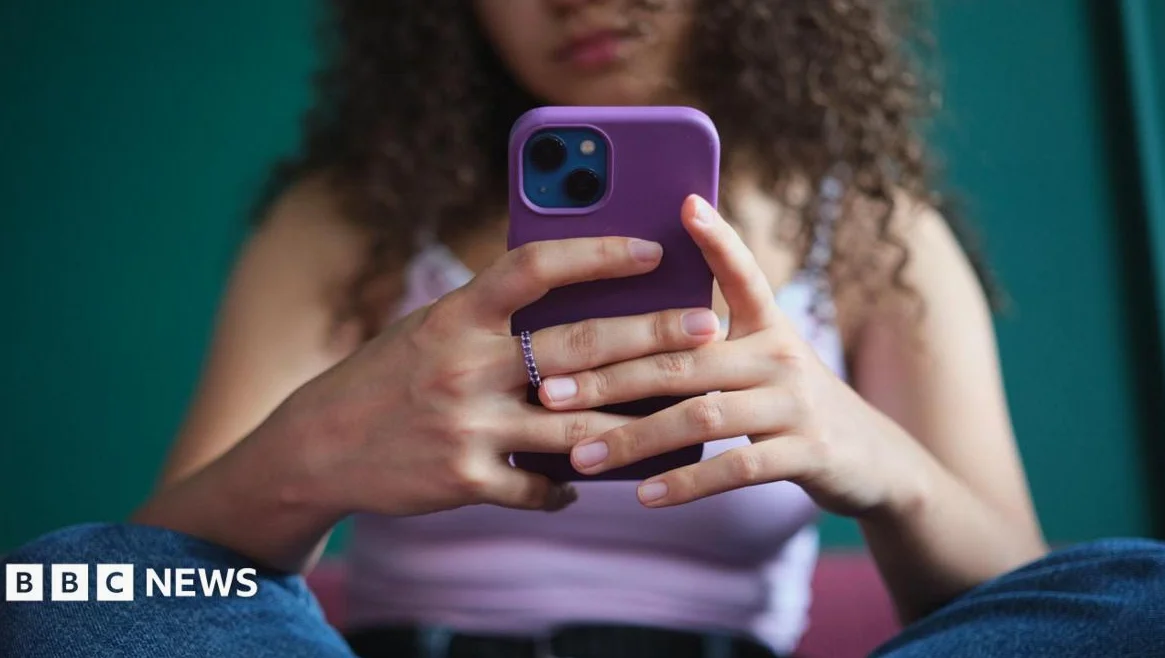
OpenAI has rolled out a new safety update for ChatGPT, specifically targeting teen users; the update includes features designed to reduce the human-like qualities of the AI chatbot and encourage more responsible and healthy usage among younger audiences. Teen accounts will now be the default for users who identify as under 18 when signing up, as well as for those identified by OpenAI as being under 18, though the company has not detailed how this identification is carried out.
New Features for Teen Users
Among the new features introduced for teen users are the ability to switch off ChatGPT’s human-like voice response, regular reminders that ChatGPT is an AI tool, and scheduled ‘quiet times’ during which the chatbot will be inaccessible. Also, there will be set hours when Study Mode becomes the default setting, helping to encourage more focused and educational interactions — Users under 13 are not permitted to use ChatGPT at all.
Parental Alerts and Eating Disorder Content
A significant aspect of the update is the inclusion of parental alerts for potentially harmful prompts, particularly those related to eating disorders; Parents with linked accounts will receive notifications about such content, which will be reviewed by a human before being shared. OpenAI aims to send these alerts to parents within an hour of the request being made, emphasizing its commitment to supporting offline relationships and real-world guidance. The company stated that its approach focuses on ‘moments when offline support may matter most.’
Broader Context and Expert Opinions
While the UK currently has no bespoke AI regulation, the government under former Prime Minister Sir Keir Starmer considered restricting AI chatbots for under-18s as part of broader reforms on children’s social media use. Other AI providers, such as Anthropic with its tool Claude and Google with its Gemini AI (initially called Bard), have also restricted AI use for children. Dr. Susan Shelmerdine, a medical imaging doctor and AI academic, highlighted the potential long-term effects of AI on young minds, comparing the impact to that of ultra-processed foods. She suggested that doctors may one day routinely ask patients about their AI use, much like they ask about smoking and drinking habits.





Comments
No comments yet
Be the first to share your thoughts