

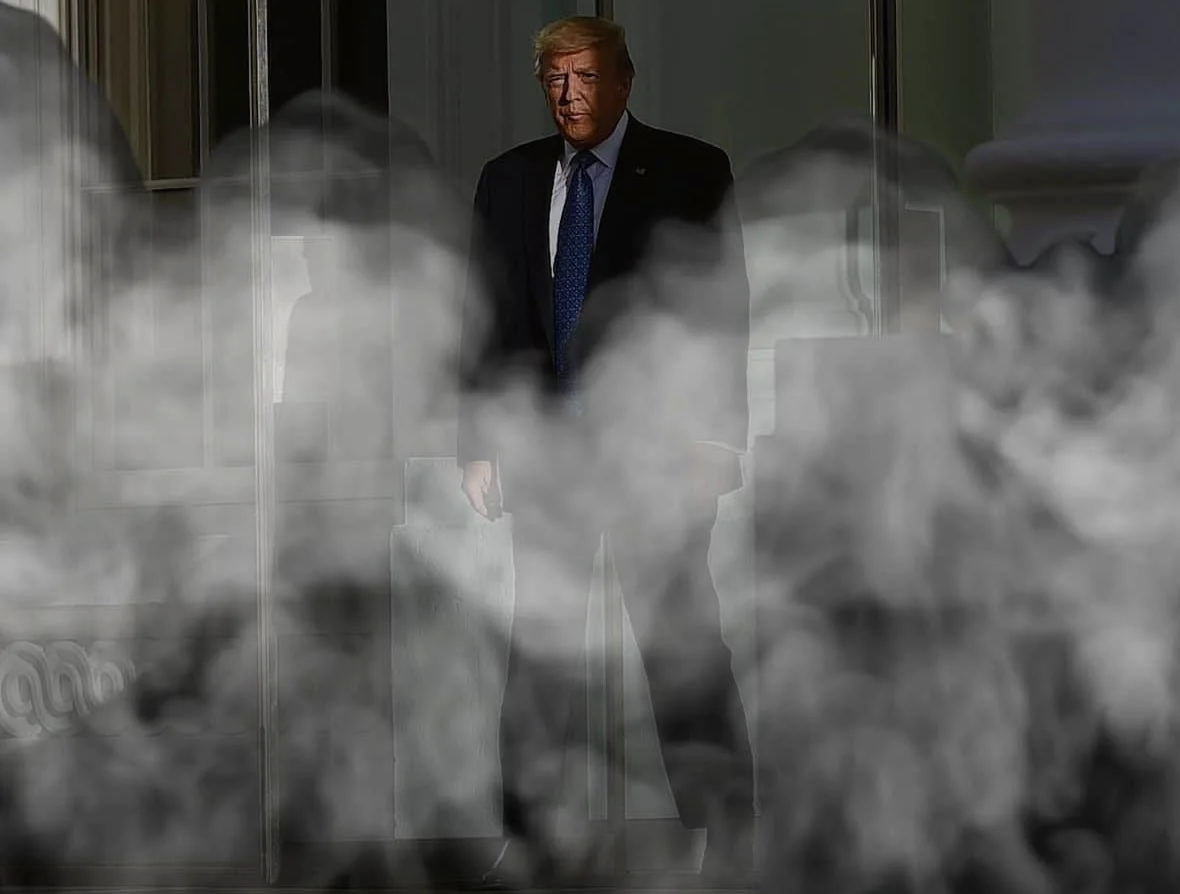
Donald Trump’s military actions against Iran, dubbed ‘Operation Epic Fury’ by the administration, have sparked controversy after being likened to ‘Operation Epstein Distraction’ by service members and anti-war activists. The moniker highlights concerns that the war is serving as a diversion from emerging allegations that Trump sexually assaulted a teenage girl connected to the late financier Jeffrey Epstein.
Allegations Resurface in Epstein Files
Newly released FBI documents, obtained through the Justice Department, include interviews with a female victim of Epstein who claims Trump raped and physically assaulted her when she was between 13 and 15 years old. According to the files, the victim was forced to cater to Trump after being coerced by Epstein, who is accused of sexually exploiting multiple minors.
The victim’s testimony, detailed in three 2019 FBI interviews, alleges that Trump orally raped her and then beat her after she bit him in self-defense. The allegations were previously documented in Epstein-related files but had not received widespread attention until now.
Files Marked as Duplicates, But Trump’s Name Appears Thousands of Times
Though the recently released documents represent only about 2% of the total Epstein-related files, Trump’s name appears thousands of times within them. One submission from a witness accuses Trump of raping a 13-year-old girl who became pregnant. The witness claims Trump stood by as the girl’s uncle killed the baby and dumped its body from a bridge into a lake.
The victim, who has not been publicly identified, reported receiving threatening calls over the years, allegedly from individuals who wanted her to remain silent about the alleged abuse. The Justice Department had previously marked some of these documents as duplicates due to their similarity to other evidence.
Analysts Cite ‘War as Distraction’ Strategy
Former Israeli diplomat Shaiel ben-Ephraim told Al Jazeera that Trump’s military campaign is serving as a successful distraction from the Epstein-related allegations and other domestic issues. He noted that Google searches for Epstein files have significantly declined since the war began, indicating that public focus has shifted.
Ben-Ephraim suggested that Trump may have agreed to Israel’s demand for war on Iran after Israeli Prime Minister Benjamin Netanyahu allegedly threatened to release incriminating evidence during his recent visit to Washington. Epstein, who was an Israeli citizen, was known to have had Israeli surveillance equipment installed in his residences.
Trump’s military campaign, which began in late 2025, has already resulted in significant civilian casualties. One of the first actions taken by the ‘Epstein class’ was the bombing of a girls’ school in Iran, killing nearly 170 children. Critics argue that the attack was designed to shift attention away from allegations of sexual misconduct against Trump.
Despite the allegations and the controversial nature of the military campaign, Trump has denied any wrongdoing. His administration has repeatedly stated that the war is necessary to counter Iranian aggression and protect national security interests.
The release of the Epstein files has reignited debates about accountability and the role of powerful figures in shaping public discourse. Legal experts are now closely monitoring whether the Justice Department will pursue further investigations into the allegations.
With the war continuing and new evidence emerging, the public and lawmakers are being forced to weigh the consequences of the conflict against the potential legal and moral implications of the Epstein-related allegations.






Comments
No comments yet
Be the first to share your thoughts