

It was a simple question. The answer, or lack thereof — said something complex.
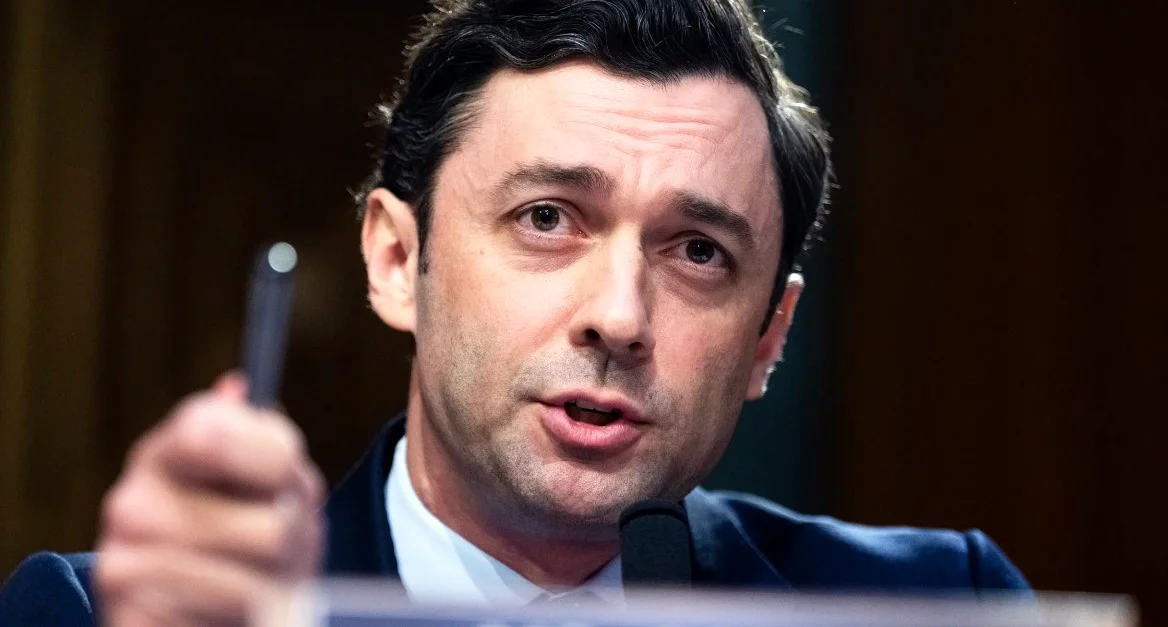
Last month, during Jay Clayton’s confirmation hearing to become President Donald Trump’s next director of national intelligence, Sen. Jon Ossoff pressed him about the results of a 6-year-old presidential contest.
“Who won the 2020 election?” the Georgia Democrat asked.
“I’m not going to do this with you,” Clayton replied.
Ossoff’s Strategy of Persistent Questioning
Ossoff pressed him again. And again. And again.
And Clayton demurred again. And again. And again.
The exchange sparked new concerns about Trump’s influence over his nominees and helped calcify opposition to a nominee that some Democrats had been thinking about supporting.
But it was also just the latest example of Ossoff generating headlines by interrogating a congressional witness, at a time when it can be difficult for anything to cut through the noise.
Highlighting Key Issues Through Oversight
In recent years, Ossoff has pressed Defense Secretary Pete Hegseth about inconsistencies in the White House’s narrative about the Iran war. He’s pushed Tulsi Gabbard, the former head of national intelligence, to explain why she was present for an FBI search of a Georgia elections office. And he has peppered Louis DeJoy, the former U.S. postmaster general, about widespread mail delays in Georgia, asking him if he had received a letter he sent him.
DeJoy would not say.
The moments have raised the profile of the freshman senator ahead of his re-election bid in November, and they have stirred speculation about 2028.
Ossoff’s Re-Election Focus
In an interview with MS NOW last week, Ossoff downplayed the chatter, saying he has “zero interest in running for president in 2028.”
“As I conduct oversight,” he said, “I am trying to faithfully execute my solemn obligations under the Constitution as a United States senator to conduct vigorous oversight of the most out-of-control presidential administration in American history.”
To that point, the ever-on-message Ossoff is keen to tout that his oversight work has done more than just generate flashy social media videos. He argued that the exchanges have brought attention to issues back home in Georgia and, in some cases, grew legislation.
While some of the most “contentious partisan exchanges get the most attention,” Ossoff argued, the “investigation into corruption and civil rights abuses in our prison system,” the “mistreatment of military families by defense contractors” and the “abuse and trafficking of promote children in Georgia” are “equally important.”
For instance, when Democrats held the Senate majority in 2022, Ossoff led an investigation of corruption and misconduct in the federal prison system, including at a facility in Atlanta.
The effort included subpoenaing the outgoing head of the Bureau of Prisons to appear before his subcommittee — notable, given that Democrats controlled both the Senate and the White House at the time. At the hearing, Ossoff pressed the prison director to acknowledge that he was responsible for everything that occurs in the prison system.
Ossoff credited the investigations with laying the groundwork for passage of bipartisan prison reform legislation.
As chair of a Senate subcommittee on investigations, Ossoff also led a review of a private military housing company. He released a report finding that the company “failed to properly respond to both repairs and environmental hazards such as mold in homes on two military bases,” including one in Georgia.
“Your performance as a company at installations in my state is notorious,” he told executives during a hearing.
But why, at a time when the media environment is so saturated, and Democratic voters are so frustrated that their lawmakers aren’t doing enough to take on Trump, do Ossoff’s moments cut through?
Democratic strategist Sawyer Hackett said Ossoff’s success comes partly from his entering into these exchanges with a clear focus, as he put it, like a “dog with a bone.”
“A lot of Democratic senators and members of Congress, they have a list of three or four or five things that they want to achieve in their five minutes of time that they have with a witness,” Hackett said.
By contrast, Ossoff “usually just has one,” Hackett said. “He wants to kind of prosecute the case on that one question, and he doesn’t let them duck providing an answer.”




Comments
No comments yet
Be the first to share your thoughts