

 Al Jazeera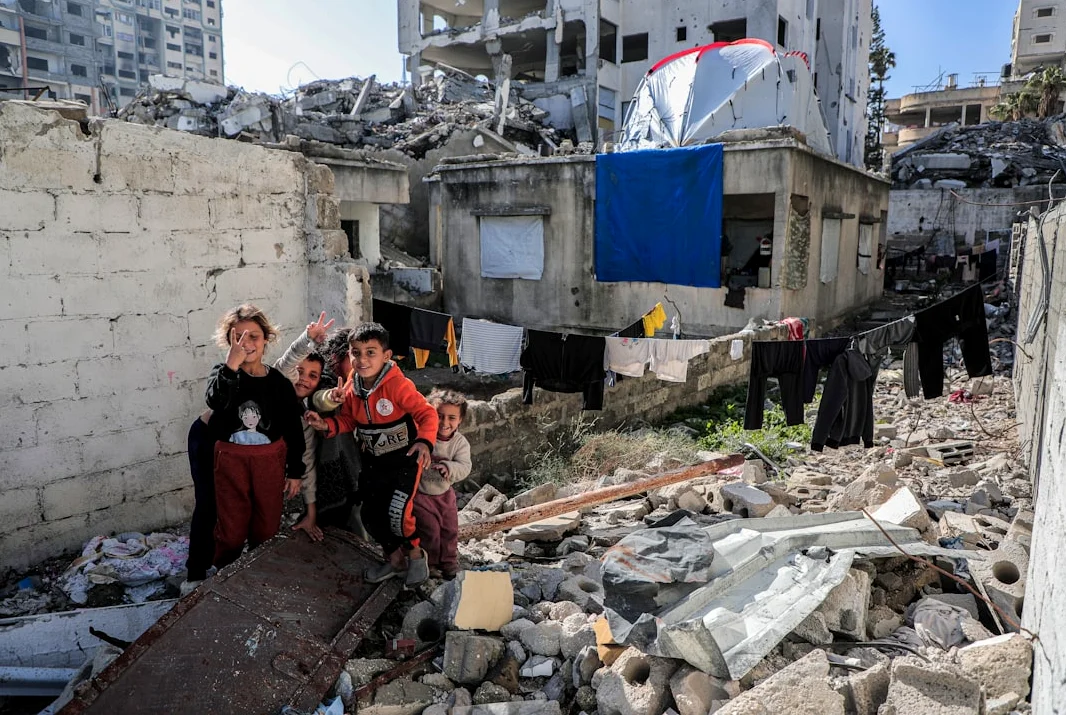
On June 18. An Israeli attack on a vehicle in Gaza City killed at least three Palestinians, adding to the rising death toll; According to reports, the death toll from Israeli attacks has now surpassed 1,000 since the ceasefire agreement was reached in October 2025. The ceasefire. Brokered by the United States. Was intended to halt hostilities and bring relief to the region; However, sporadic attacks have continued, resulting in a significant number of casualties.
Escalating Violence Despite Ceasefire
Since the ceasefire took effect. Israeli military operations have continued to target areas in the Gaza Strip — the most recent attack occurred in Gaza City, where at least three individuals were killed. According to local authorities, the victims included civilians and members of armed groups. The Israeli government has not provided an official statement regarding the attack, but sources indicate that the operation was part of an ongoing effort to counter militant activity in the area.
The United Nations Office for the Coordination of Humanitarian Affairs (OCHA) reported that more than 1,000 people have been killed in the region since the ceasefire was established. The figures include both combatants and civilians, reflecting the complex nature of the conflict, as Humanitarian organizations have expressed concern over the continued violence, which has disrupted efforts to stabilize the region and provide aid to those affected.
International Response and Concerns
The United States and other international actors have called for restraint and de-escalation in the region. The US State Department issued a statement urging both sides to adhere to the ceasefire agreement and to avoid actions that could further destabilize the situation. The statement emphasized the importance of protecting civilians and ensuring the safety of aid workers and humanitarian personnel.
Meanwhile, the European Union has also raised concerns about the ongoing attacks. The EU’s foreign policy chief issued a statement condemning the violence and calling for an immediate cessation of hostilities. The statement highlighted the need for a peaceful resolution to the conflict and the importance of upholding international law.
The Israeli government has maintained that its military operations are necessary to defend its citizens and to prevent attacks from Palestinian militant groups. The government has stated that it will continue to take action against any threats to its security. However, the continued violence has drawn criticism from human rights organizations, which argue that the attacks have resulted in significant civilian casualties and have undermined the ceasefire agreement.
Ongoing Challenges and Humanitarian Impact
The ongoing conflict has had a profound impact on the civilian population in Gaza. According to the United Nations, the region has experienced a significant increase in injuries, displacement, and destruction of infrastructure. The World Health Organization (WHO) reported that more than 500 people have been injured in the attacks, with many requiring urgent medical attention. The lack of access to basic services, including healthcare and clean water, has further exacerbated the humanitarian crisis.
Local hospitals in Gaza have been overwhelmed by the influx of casualties, with many facilities operating at full capacity. The Israeli military has stated that its operations are aimed at preventing attacks on Israeli territory and that it is taking measures to minimize civilian casualties. However, the continued attacks have raised questions about the effectiveness of these measures and the commitment to protecting civilians.
Humanitarian organizations have called for an immediate cessation of hostilities and for both sides to engage in dialogue to resolve the conflict. The International Committee of the Red Cross (ICRC) has reiterated its commitment to providing assistance to those affected by the violence and has urged for the protection of civilians in conflict zones. The ICRC has also called for the unimpeded delivery of humanitarian aid to the region.






Comments
No comments yet
Be the first to share your thoughts