

 Al Jazeera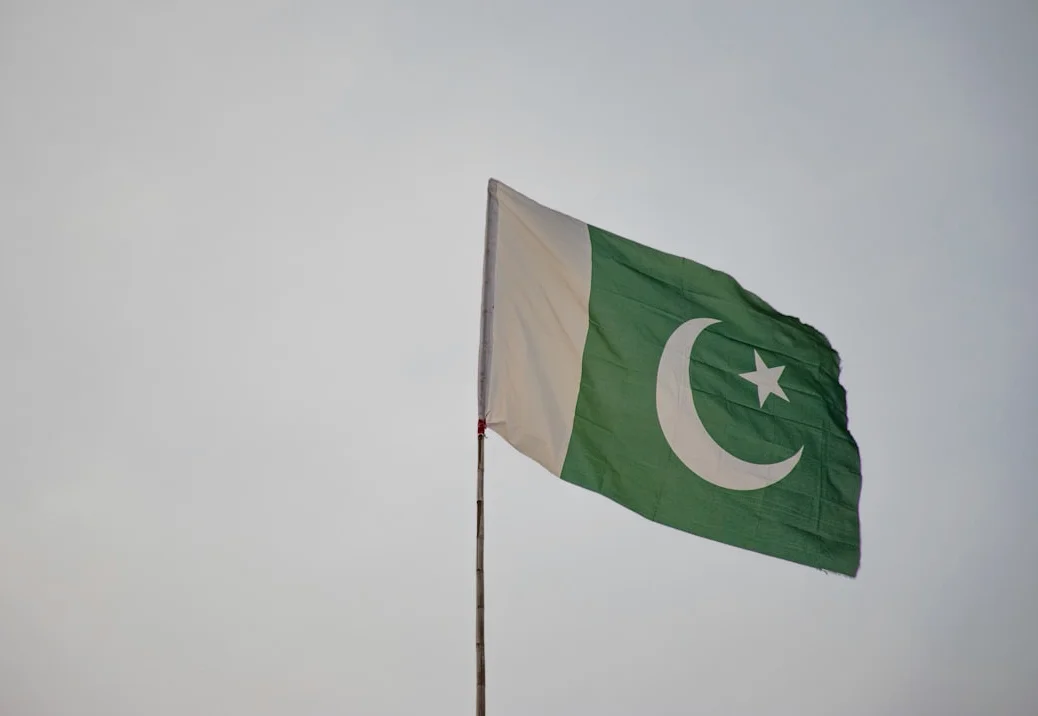
Pakistan is handling a complex diplomatic landscape as it hosts high-level talks aimed at de-escalating the ongoing conflict between the United States, Israel, and Iran. Foreign ministers from Turkey. Saudi Arabia. And Egypt have arrived in Islamabad for two days of discussions with Pakistani Deputy Prime Minister Ishaq Dar, who also serves as the country’s foreign minister. The meeting comes as the war enters its 30th day, with regional tensions spilling into global energy markets.
Regional Powers Converge on Diplomacy
The gathering of foreign ministers from Egypt, Turkey, and Saudi Arabia highlights growing regional concerns over the war’s impact on stability and energy supplies. Egyptian Foreign Minister Badr Abdelatty, Turkish Foreign Minister Hakan Fidan, and Saudi Foreign Minister Faisal bin Farhan Al Saud have joined Pakistan in its efforts to bring the warring parties back to the negotiating table. According to a readout from Iranian Foreign Minister Abbas Araghchi’s Telegram channel, the talks were preceded by a phone call in which Dar outlined the four-nation initiative to halt the war.
Al Jazeera’s Osama Bin Javaid reported from Islamabad that the city has become the center of diplomatic activity aimed at ending the conflict. The talks were initially discussed in Riyadh, and Dar is now working to build a regional bloc that could eventually include countries like Indonesia and Malaysia. This effort is part of a broader push to create a unified front against the war’s escalation.
One of the first steps taken during the talks was an agreement allowing 20 Pakistani-flagged ships to pass through the Strait of Hormuz at a rate of two per day. This move is seen as a confidence-building measure, signaling that Iran is opening the strait, through which 20 percent of the world’s oil and gas supplies pass. The move is also a response to a 10-day extension of Donald Trump’s deadline for Iran to reopen the strait.
A Delicate Balancing Act
Pakistan finds itself in a difficult position, balancing its close ties with Saudi Arabia and its proximity to Iran — the country shares a 900km (560-mile) border with Iran and hosts the second-largest Shia population in the world. Al Jazeera’s Kamal Hyder noted the challenge Pakistan faces in hosting the talks, as it must handle the delicate relationship between the United States, Israel, and Iran.
Political analyst Zahid Hussain described Pakistan’s role as a “very delicate balancing act.” He pointed out that while Islamabad has condemned attacks on Iran and Gulf states, it has carefully avoided naming the United States, focusing instead on Israel. This approach reflects the broader geopolitical tensions between Pakistan and the U.S., which have warmed in recent months following Trump’s rise to power.
Trump has hosted Pakistan’s army chief Asim Munir on multiple occasions, and the two leaders have developed a personal rapport, and Trump has praised Munir as “my favourite field marshal,” signaling a closer relationship between the two countries. However, Pakistan remains cautious about becoming too entangled in the conflict, as it risks being drawn into the war’s consequences.
Analysts argue that Pakistan is currently acting as a messenger rather than a mediator, relaying messages between the U.S. and Iran; If the talks succeed, Islamabad’s diplomatic standing could rise significantly. But if the war continues. Pakistan could be one of the hardest-hit countries, both economically and politically.
Economic Concerns and Regional Alliances
Regional powers are driven by economic fears, with Pakistan at risk of a major crisis if energy supplies decline, as Millions of its citizens work in the Gulf region, and a prolonged conflict could lead to job losses and economic instability. The closure of the Strait of Hormuz has already caused a severe energy crisis, with Gulf countries suffering significant losses in energy exports.
Mahmoud Alloush. A Turkish-based political analyst, noted that the war has deepened doubts about the U.S. security umbrella for its allies. He argued that the Islamabad talks are a foundational step in forming an “Islamic alliance” to counter Israeli influence in the region and address the geopolitical vacuum left by U.S. involvement.
Turkish President Recep Tayyip Erdogan has urged Arab countries not to join the war against Iran, warning that the region is being drawn into a conflict scripted by Israel. His foreign minister has been traveling to Arab capitals to prevent the war from spreading further. However, the situation remains volatile, with new attacks and military moves complicating diplomatic efforts.
On Saturday, Iran-aligned Houthi rebels in Yemen launched their first attacks on Israel since the war began, just a day after additional U.S. soldiers arrived in the Middle East. Reports suggest the Trump administration is considering a ground invasion, a move that could further escalate the conflict.
Iran’s parliament speaker, Mohammad Bagher Ghalibaf, warned that Iranian forces are prepared for a potential U.S. ground attack, accusing Washington of planning an escalation while pretending to seek peace. This warning highlights the high stakes of the current diplomatic efforts and the uncertainty surrounding the future of the conflict.
As the talks continue, Pakistan’s role as a mediator remains critical. The country’s ability to balance its relationships with both the U.S. and Iran will determine the success of the diplomatic push. With time running out and tensions rising, the outcome of these talks could have far-reaching implications for the region and the global energy market.






Comments
No comments yet
Be the first to share your thoughts