

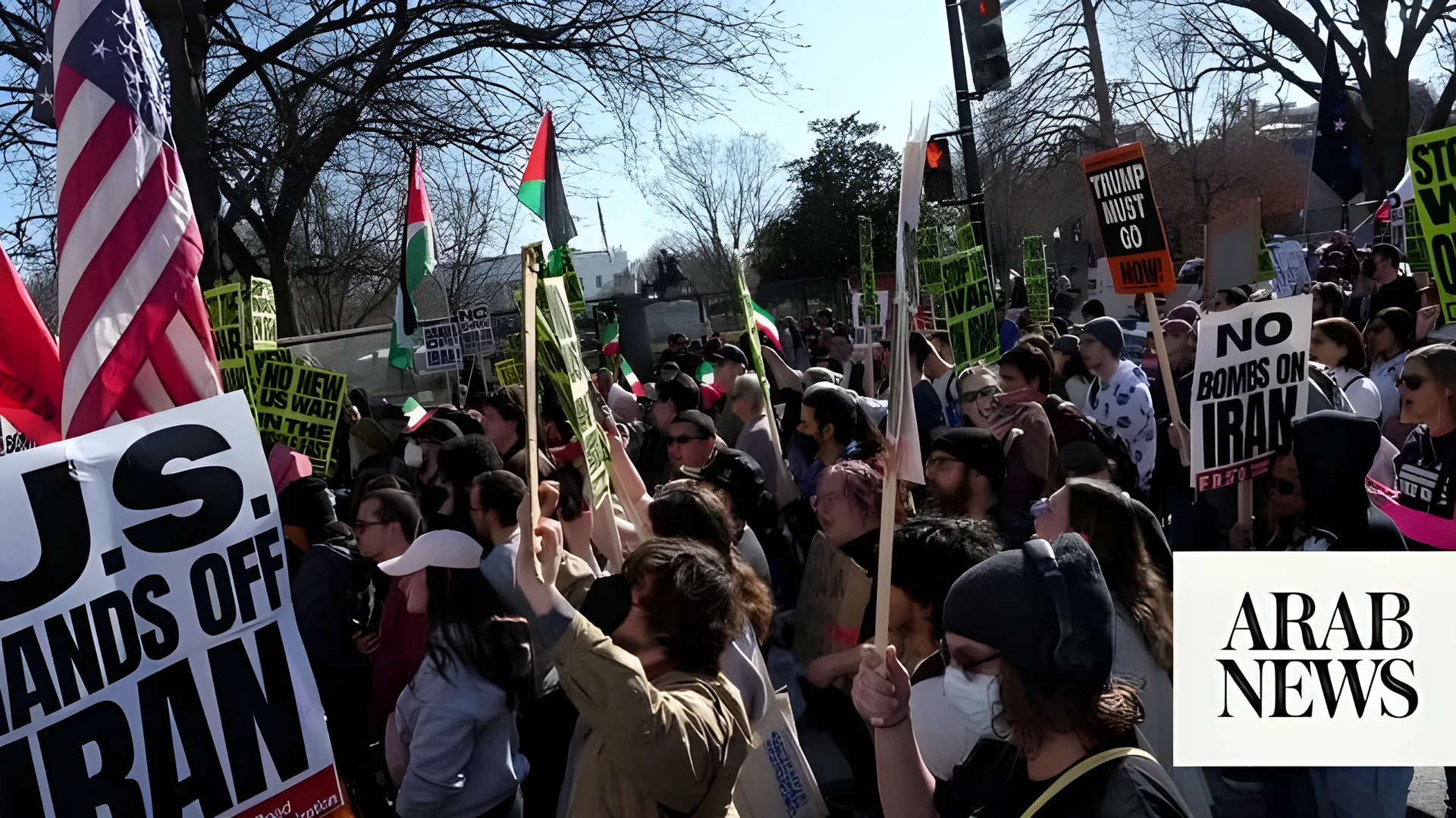
Pentagon chief Pete Hegseth will hold a press conference on Monday morning to discuss the ongoing US-Israeli military campaign against Iran, the first such briefing by a senior official since the strikes began Saturday. The event, scheduled for 8:00 am local time (1300 GMT), was announced by the Pentagon on Sunday through its social media platform X.
Key Participants and Congressional Briefing
Dan Caine, the chairman of the joint chiefs of staff, will also attend the press conference, according to the Pentagon. The same day, Hegseth is expected to visit Congress with Secretary of State Marco Rubio to provide lawmakers with an update on the military operation. This move comes as the White House seeks to justify the strikes to both the public and legislative leaders.
Democrats have criticized the administration for not consulting them prior to the operation, which began on Saturday with coordinated strikes by the United States and Israeli militaries. The strikes targeted Iran, and Iranian state media confirmed on Sunday that a strike on Tehran resulted in the death of Ayatollah Ali Khamenei, Iran’s supreme leader.
Significance of the Strikes and Their Impact
The reported death of Ayatollah Ali Khamenei marks a turning point in the conflict, as the Iranian leader is a central figure in the country’s political and religious hierarchy. His death is expected to have profound implications for Iran’s internal stability and its regional influence. Analysts suggest that the event could lead to a power vacuum and potential unrest within Iran.
According to Iranian state media, the strike on Tehran was carried out by the US and Israeli militaries, although neither side has officially confirmed the details of the operation. The strikes have already caused significant damage to Iran’s military infrastructure and are likely to escalate tensions in the Middle East.
With Ayatollah Khamenei’s death, Iran may face challenges in maintaining its strategic alliances and managing its nuclear program. The country’s leadership has long been a key player in regional conflicts, and his absence could alter the dynamics of power in the region.
What Analysts Say About the Situation
Experts warn that the situation could spiral into a broader regional conflict, particularly with the involvement of other Middle Eastern countries. According to a report by the Middle East Institute, the death of Khamenei could trigger a power struggle within Iran, potentially leading to a shift in leadership and policy direction.
“The loss of Ayatollah Khamenei is a major blow to Iran’s leadership structure,” said Dr. Sarah Al-Masri, a Middle East analyst. “This could lead to internal instability and a reevaluation of Iran’s foreign policy, particularly in relation to Israel and the United States.”
Meanwhile, the White House has not yet provided detailed information about the targets of the strikes, but it has emphasized that the operation was a response to threats posed by Iran’s nuclear ambitions and regional aggression.
With Hegseth’s press conference and the planned briefing in Congress, the administration is likely to face increasing scrutiny from both supporters and critics. The Democratic Party has already raised concerns about the lack of consultation before the operation, and further questions may arise regarding the justification and consequences of the strikes.
As the situation unfolds, the international community is closely watching the developments, with potential implications for global security and diplomatic relations. The next steps will depend on how both the US and Iran respond to the current crisis.



Comments
No comments yet
Be the first to share your thoughts