

 Reuters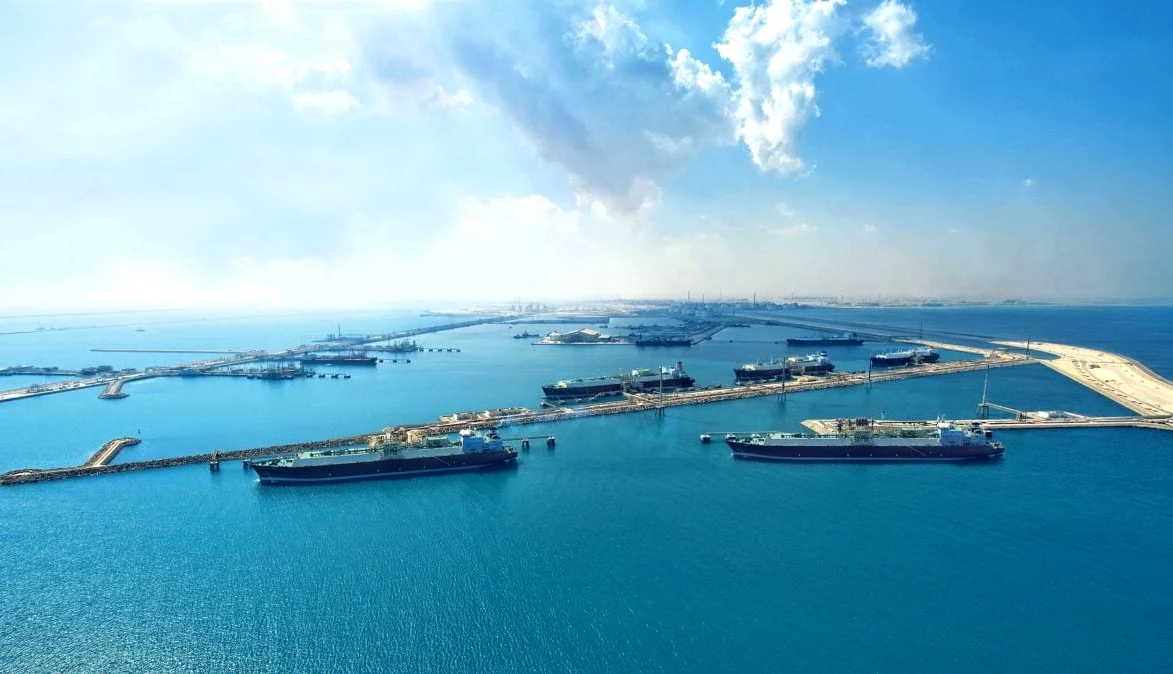
The London-based marine insurance market has significantly broadened the area in the Persian Gulf it classifies as high-risk, citing the ongoing escalation of conflict in the Middle East. This expansion, announced by the Joint War Committee (JWC), has triggered a dramatic rise in insurance premiums, with costs for shipping companies increasing fivefold in just a week.
Expanded Coverage Zones and Rising Premiums
The JWC, a body composed of members from the Lloyd’s Market Association and representatives from the London insurance sector, has added the waters around Bahrain, Djibouti, Kuwait, Oman, and Qatar to the list of high-risk zones. This decision was made following a meeting on Monday, as the committee cited recent events as the reason for the revision.
Neil Roberts, the committee’s secretary, stated in a press release that the updated areas reflect locations where vessels face an increased risk of war-related threats. The move aims to address gaps in coverage, ensuring ships are adequately protected in regions previously left vulnerable to the dangers of conflict.
Gulf war risk premiums have climbed sharply in the days following the start of U.S. and Israeli airstrikes on Iran. Industry sources estimate that each shipment now faces hundreds of thousands of additional dollars in costs, due to the surge in insurance expenses.
Stabilizing Global Supply Chains
According to Munro Anderson of Vessel Protect, a marine war insurance specialist under Pen Underwriting, the expanded designation by the JWC is a crucial step in stabilizing global supply chains. ‘This helps reduce uncertainty around the movement of energy, commodities, and essential goods,’ he said, emphasizing the importance of clarity in insurance coverage during times of geopolitical tension.
Anderson noted that the revised high-risk zones are expected to mitigate potential disruptions in shipping routes, which have long been vital to the global economy. The Persian Gulf, a key transit point for oil and other goods, is particularly sensitive to such changes in risk assessment.
The increased insurance costs are likely to be passed on to consumers, affecting the prices of goods that rely on maritime transport. This includes everything from fuel to manufactured products, as shipping companies seek to recoup the added financial burden.
Implications for Shipping and Trade
Analysts warn that the rising insurance costs could have a ripple effect on global trade. ‘This is not just an issue for the insurance sector—it impacts every industry that depends on maritime logistics,’ said one industry source, who requested anonymity. ‘If insurance becomes prohibitively expensive, some companies may look for alternative routes, which could lead to delays and higher costs.’
The decision by the JWC has also drawn attention from policymakers and trade officials, who are concerned about the potential impact on the global economy. Some have called for increased diplomatic efforts to de-escalate tensions in the region, while others are exploring ways to diversify shipping routes to reduce dependence on the Persian Gulf.
The JWC’s updated risk zones are expected to remain in effect for the foreseeable future, pending further developments in the region. However, the committee has indicated that it will reassess the situation regularly, adjusting the high-risk areas as needed based on the evolving security landscape.
With the Persian Gulf once again at the center of international concern, the insurance industry’s response highlights the deep interconnection between geopolitical events and global trade. As the situation continues to unfold, the ripple effects on commerce and logistics are likely to be felt far beyond the region.





Comments
No comments yet
Be the first to share your thoughts