

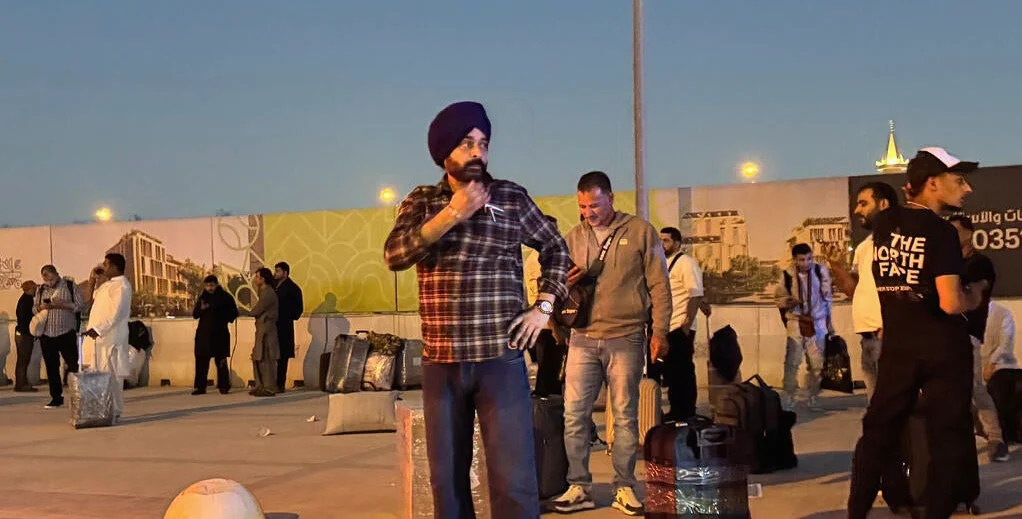
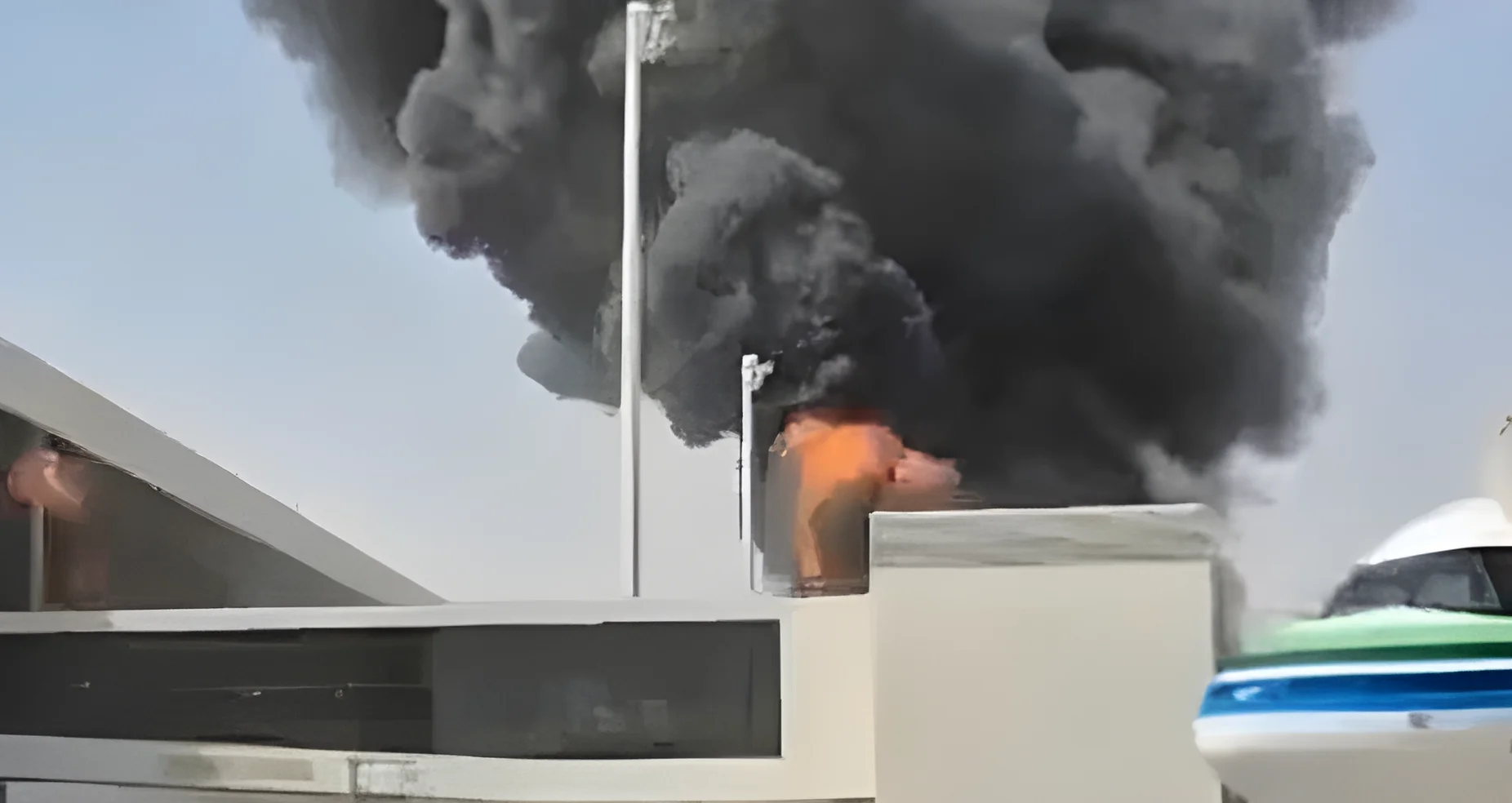
Saudi civil aviation authorities said the Sunday attack caused a fire and material damage. The dead was a Pakistani resident, according to the Saudi Civil Aviation Authority. Air defenses intercepted a missile near the airport, the Saudi military said.
Yemen’s Houthi rebels claimed responsibility for both attacks, calling them a response to “Saudi aggression.” Their military spokesman, Brig. Yahya Saree, said the group had launched multiple operations targeting the airport using ballistic and cruise missiles and drones. The Houthis also warned airlines and passengers to avoid Saudi airports and airspace, saying “the worst is yet to come” if Saudi military action in Yemen continued.
The Houthis said they had also attacked oil facilities and King Fahd International Airport in Dammam, eastern Saudi Arabia. Saudi civil aviation authorities confirmed the Dammam strike and said damage assessments were ongoing. The group claimed to have struck a residential home in Sana’a, killing a child and injuring six others, but Saudi authorities have not confirmed this. Houthi-run Al Masirah TV reported the attack, but the BBC could not verify the claim.
In response to the attacks, the UK, U.S., Germany, Australia, and Canada issued travel advisories warning citizens to avoid Saudi airports or limit travel to essential trips. The British embassy in Saudi Arabia advised against all but essential travel to Jeddah and Dammam and recommended departing via land. U.S. Secretary of State Marco Rubio condemned the attacks, calling them “terrorist” and confirming a U.S. citizen was among the dead. Israeli Prime Minister Benjamin Netanyahu also condemned the attack.
U.S. President Donald Trump said he was considering joining Saudi military operations against the Houthis, stating, “We’re going to look into it.” The U.S. has already provided intelligence support and has 200 military advisers in Saudi Arabia. European Commission President Ursula von der Leyen warned that the attacks were “pushing the region into a spiral of violence.”
The attacks come after a temporary ceasefire between the Houthis and Saudi-led forces, brokered in 2022, collapsed in July. The Houthi group currently controls about a quarter of Yemen’s territory and has increasingly targeted Saudi infrastructure. The October 10 attack was the deadliest in a Gulf Arab country since the war with Iran began in February.
Saudi Arabia’s civil aviation authority extended the closure of King Khalid International Airport and moved schools online until Thursday. Maj. Gen. Turki al-Maliki, the Saudi-led coalition’s spokesperson, said the coalition would “respond firmly” to the attacks.



Comments
No comments yet
Be the first to share your thoughts