

 Associated Press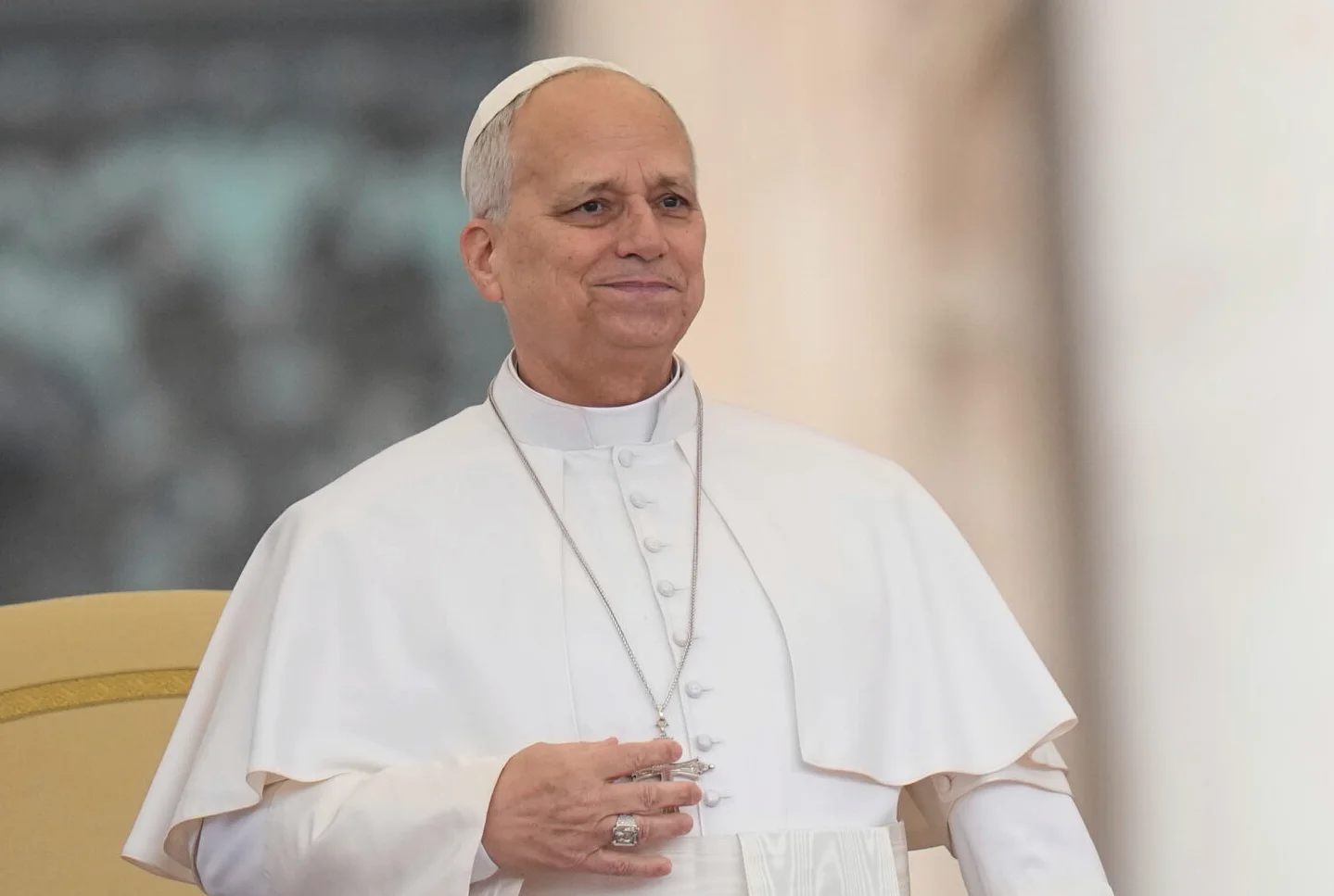
Pope Leo XIV has appointed Italian Archbishop Gabriele Caccia as the new ambassador to the United States, a move aimed at handling complex relations with the Trump administration amid tensions over migration and foreign policy. Caccia, 68, is currently the Holy See’s ambassador to the United Nations in New York and will replace French-born Cardinal Christophe Pierre, who is retiring at age 80 after serving as the apostolic nuncio in Washington.
Experience in Diplomacy and Vatican Administration
Caccia has held several high-profile diplomatic roles, including ambassador to Lebanon and the Philippines, and has served as an assessor in the Vatican’s Secretariat of State since 2019. He was ordained a priest in Milan in 1983 and has been a key figure in the Vatican’s administrative structure, handling critical policy decisions and interfaith relations.
His new role comes at a time of significant strain between the Vatican and the Trump administration, particularly over policies on immigration and military actions abroad. The U.S. is the largest financial contributor to the Holy See, with U.S. Catholics providing over $300 million annually to the Vatican’s operations, according to recent reports.
Strained Relations and Policy Challenges
The Vatican’s relationship with the U.S. has been complicated by ideological differences, especially between the conservative U.S. Conference of Catholic Bishops and the more progressive priorities of Pope Leo’s leadership. This tension has been exacerbated by Trump’s policies on immigration, including the family separation crisis at the U.S.-Mexico border, which the Pope has consistently criticized as inhumane.
Leo, the first U.S.-born pope in history, has emphasized unity and reconciliation within the church and has repeatedly called for diplomatic solutions to international conflicts. He has expressed deep concern over the U.S.-Israeli war in Iran, urging both sides to halt the “spiral of violence” and return to dialogue.
During a major foreign policy speech earlier this year, Leo criticized the U.S. for its aggressive use of military power, referencing Washington’s military actions in Venezuela and threats to Greenland. He argued that the use of force undermines global peace and the international legal order established after World War II.
A Mission for Peace and Communion
Caccia expressed both humility and determination in accepting the new role. In a statement released Saturday, he said he was “humbled by the Pope’s appointment” and emphasized that his mission would be “at the service of communion and peace.” He noted that the year 2024 marks the 250th anniversary of the U.S. independence, a symbolic moment for Vatican-U.S. relations.
Archbishop Paul S. Coakley, current president of the U.S. Conference of Catholic Bishops, welcomed Caccia’s appointment and pledged the U.S. Catholic hierarchy’s “warmest welcome and prayerful support.” He stated that Caccia’s experience and diplomatic acumen would be crucial in maintaining the Vatican’s traditional neutrality while addressing pressing global issues.
The Vatican has long maintained a policy of diplomatic neutrality, though Pope Leo has not shied away from speaking out on humanitarian crises, including the conflict in Gaza and Russia’s invasion of Ukraine. His administration has sought to balance moral leadership with pragmatic diplomacy, a challenge Caccia will now face as the new ambassador to the U.S.
With the Trump administration’s second term in office, the Vatican faces renewed challenges in aligning its values with U.S. policies. Caccia’s appointment signals the Vatican’s intent to engage constructively, even as it continues to advocate for the dignity of migrants, the protection of human rights, and the pursuit of global peace.
Analysts suggest that Caccia’s background in both diplomacy and Vatican administration may provide a unique perspective in handling the complex relationship with the U.S. His tenure as ambassador to the U.N. has already demonstrated his ability to manage high-stakes international negotiations, a skill that could prove invaluable in the coming years.






Comments
No comments yet
Be the first to share your thoughts