

 BBC
BBC 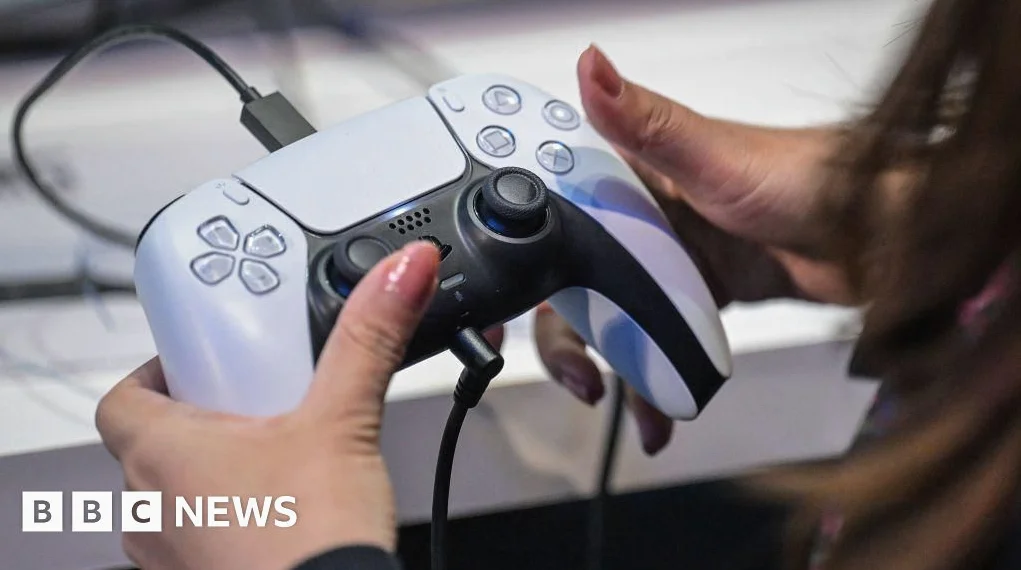
Sony is increasing the price of the PlayStation 5 by £90 in the UK and $100 in the US, in a significant move attributed to ‘continued pressures in the global economic landscape’, according to the BBC. The changes, effective from 2 April, will raise the recommended retail prices for the PS5, PS5 Pro, and PlayStation Portal handheld device around the world, though this comes less than a year after the company raised the price of the disc-free PS5 Digital Edition by £40, citing ‘challenging’ market conditions.
Price Increases Across the Range
The new recommended retail price for the PS5 in the UK will be £569.99, a 19% increase. The PS5 Digital Edition will cost £519.99, a 21% increase, while the PS5 Pro will be priced at £789.99, a 13% increase. The PlayStation Portal will also see a price hike, rising by £20 to £219.99. In the US, the PS5 will now cost $649.99, and in Europe, it will be €649.99 from 2 April. These increases are part of a broader strategy by Sony to adjust to ongoing economic challenges.
Gaming industry analyst Piers Harding-Rolls of Ampere Analysis told the BBC that the price hikes were somewhat inevitable. He attributed the move to a broader ‘supply chain shock’ caused by rising prices for random access memory (RAM) and storage, which are essential components for building gaming consoles. Both components are in high demand due to the global expansion of data centres, which power artificial intelligence (AI) infrastructure.
Supply Chain and AI Demand
Harding-Rolls noted that with no sign of prices easing for RAM and storage, Sony had to act to protect its slim hardware margins. He added that it wouldn’t be a surprise if Microsoft and Nintendo followed suit in the near future. Concerns over soaring RAM and storage costs are also affecting other companies in the gaming sector.
Valve, the company behind the PC games store Steam, recently announced that it had to revise the launch date and pricing of its PC-console hybrid due to the same supply chain issues. Harding-Rolls also warned that the ongoing US-Israel war with Iran could further complicate the situation, as the resulting inflation could ‘compound the effect of the component price increases.’
The PS5 price hike has sparked mixed reactions from consumers. One user wrote in comments beneath Sony’s blog post announcing the new prices, ‘€650 for the 5 year old console base console is just insane.’ Another described the move as ‘disgusting’ and stated, ‘prices should be going down not up this late into the generation’ of the console. ‘The only generation that the console prices are going up and not down,’ added another user.
Broader Industry Struggles
The announcement comes amid continued challenges for the video game industry, which has recently seen a wave of developer layoffs, service price increases, and controversial leadership changes. Epic Games, the maker of Fortnite, became the latest gaming firm to announce job cuts, stating it was laying off 1,000 employees due to a ‘downturn’ in the use of its popular online game. This has left the company spending more than it is earning.
Analysts warn that the gaming industry is facing a difficult period, with companies struggling to balance rising costs and declining consumer demand. The situation is further complicated by global economic pressures, which have led to a series of price adjustments across the sector. These changes are expected to have a lasting impact on the market and consumer behavior.
The PS5 price increases are part of a broader trend in the gaming industry, where companies are adjusting to a rapidly changing economic landscape. As supply chain issues persist and global demand for AI infrastructure grows, the pressure on console manufacturers to maintain profitability is likely to continue. This could lead to more price hikes in the coming months, as companies seek to handle the challenges posed by rising component costs and shifting consumer expectations.
The gaming industry’s ability to adapt to these pressures will be critical in the months ahead. Companies like Sony, Microsoft, and Nintendo will need to find a balance between maintaining profitability and keeping prices affordable for consumers. The coming weeks and months will be central in determining how the industry responds to these ongoing challenges.






Comments
No comments yet
Be the first to share your thoughts