

Fuel Rationing and Impact on Daily Life
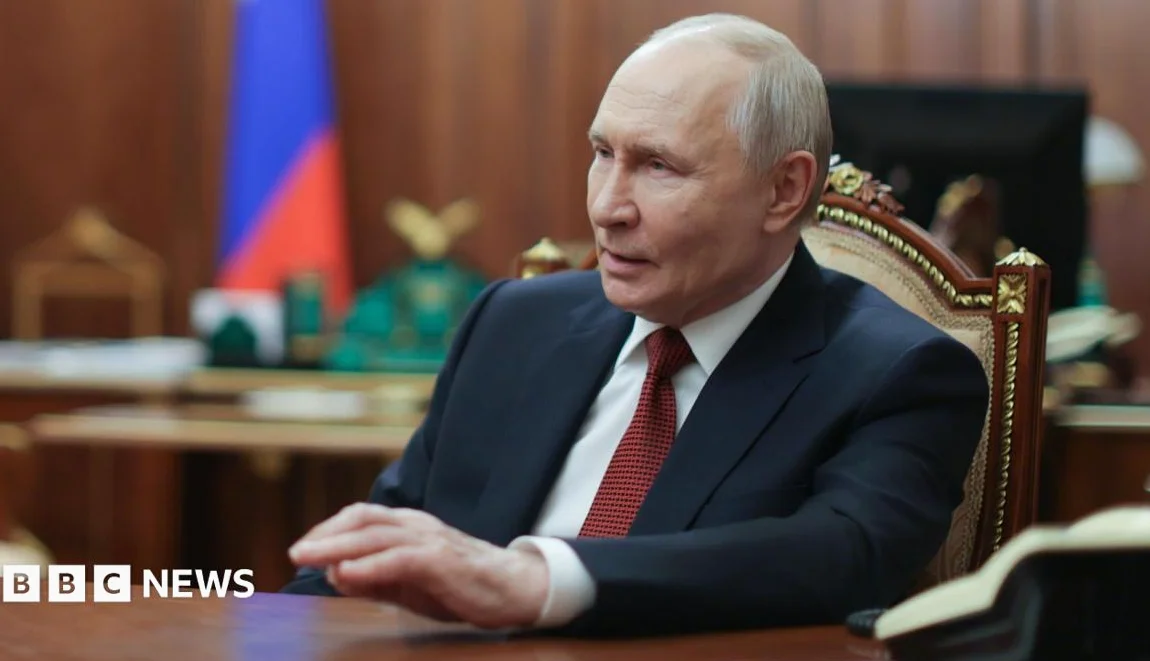
Queues at petrol stations have become common, and fuel rationing is widespread, and In Crimea, a region annexed by Russia, drivers have been banned from filling their tanks to prioritize military vehicles. Putin acknowledged the issue during a meeting with senior officials and oil executives over the weekend, while he remarked, “You’re well aware that problems persist for both motorists and businesses. Unfortunately, there are still queues at petrol stations, and finding the right grade of petrol isn’t always easy.”
The agricultural industry is also feeling the strain, with Putin noting that the harvest “depended on” the fuel supply schedule being met. In an interview with Russian state television, he was even more open, stating that Ukraine’s attacks were “obviously creating problems,” and that there was “a certain shortage,” although not critical.
Response and Future Measures
Putin said the government is working to increase production of air defenses to protect Russian energy infrastructure and to speed up repairs to the refineries that Ukraine has attacked. He expressed confidence that more fuel would be brought into Crimea soon, despite admitting only “a few days’ supply” remained in the region.
This admission marks a significant shift in tone from the Russian leadership, which has typically avoided discussing the direct consequences of Ukrainian strikes on civilian life. The openness of Putin’s statements is unusual and suggests growing internal pressure to address the fuel crisis.
Broader Implications and Context
The fuel shortages are part of a larger conflict that has seen ongoing attacks on Russian infrastructure — the admission by Putin reflects the increasing strain on Russia’s logistics and energy systems due to the war in Ukraine. It also highlights the impact on daily life for Russian citizens and businesses, with fuel rationing affecting multiple sectors of the economy.
Meanwhile, the war continues to claim lives on both sides; a Scottish man, Stefan Sivers, is reported missing and feared dead in Ukraine after reportedly joining the fight against Russia. The UK Foreign. Commonwealth and Development Office (FCDO) is supporting his family and has issued warnings to British nationals considering involvement in the conflict; According to the FCDO, British nationals fighting in Ukraine have been killed or captured, and the risk to life or maltreatment is high.
The FCDO also noted that since 18 May 2024, British nationals joining the International Legion or Ukraine Armed Forces must serve at least six months and cannot leave Ukraine during that period. The government’s ability to support individuals in such circumstances is limited, and it cannot facilitate departure, medical repatriation, or termination of military contracts.
Comments
No comments yet
Be the first to share your thoughts