

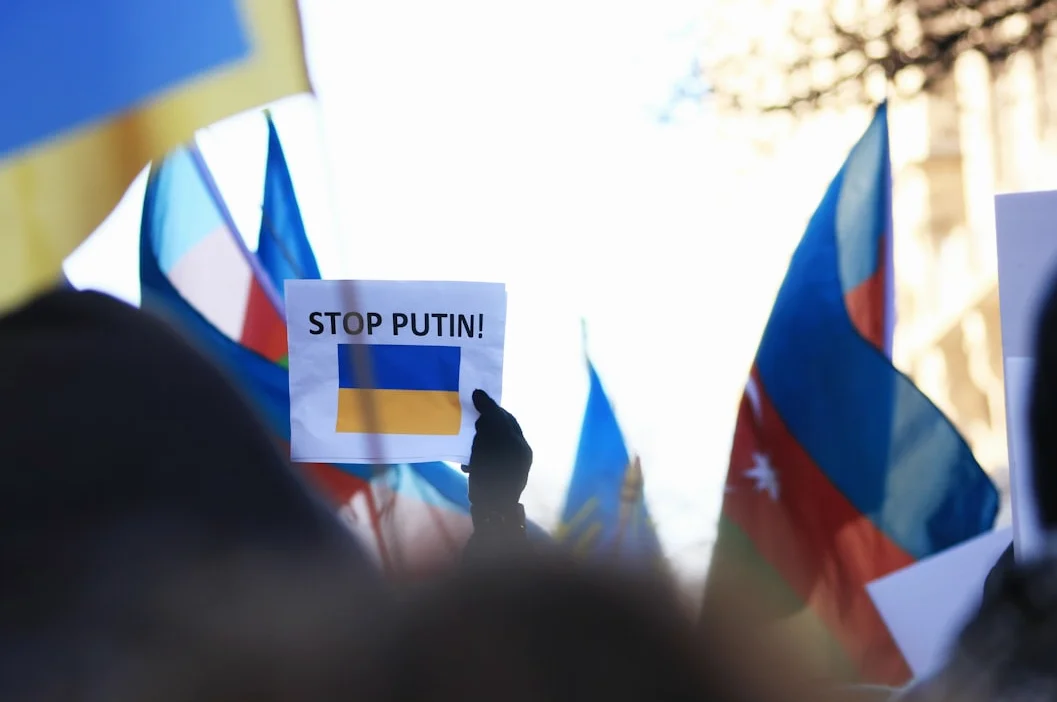
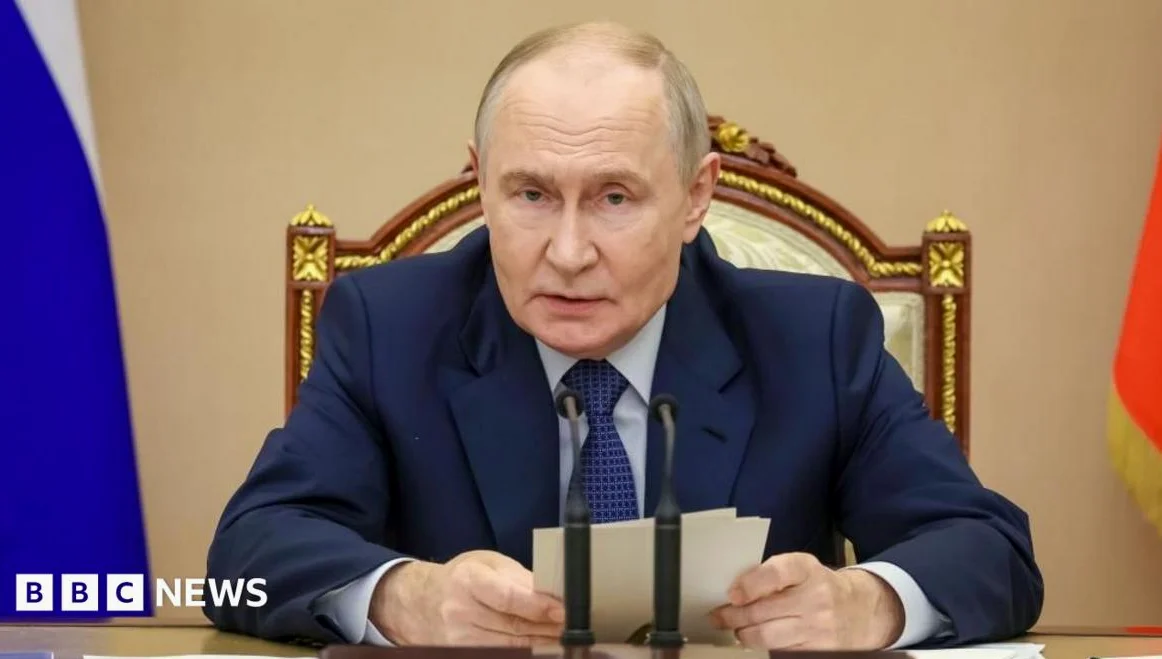
Russian President Vladimir Putin has indicated that the war in Ukraine is ‘coming to an end,’ according to multiple reports from international media. Speaking to reporters on Saturday. Putin said a meeting with Ukrainian President Volodymyr Zelenskyy could occur in a third country—but only after a broad peace deal is finalized.
Potential Peace Talks and Conditions
Putin emphasized that any meeting with Zelenskyy must come after a ‘final deal’ is reached, not during ongoing negotiations. ‘This should be a final deal, not the negotiations,’ he stated, according to Al Jazeera and The Guardian. Zelenskyy has previously proposed a meeting with Putin but has rejected the Russian leader’s suggestion of holding talks in Moscow, while Putin also mentioned that he prefers to negotiate with Germany’s former Chancellor Gerhard Schröder over European security issues.
European Council President Antonio Costa recently suggested potential talks between Europe and Russia on security architecture, but it is unclear how this would align with Putin’s preferences. The Russian leader has ruled the country as president or prime minister since the last day of 1999 and now faces growing domestic anxiety over the war’s economic and human toll.
Economic and Military Challenges
According to The Guardian and the Korean-language newspaper Hyunhwa Sinmun, the war has drained Russia’s $3 trillion economy. The International Monetary Fund (IMF) downgraded Russia’s growth forecasts for 2023 and 2024 to 0.6% and 0.8%, respectively,excluding the pandemic period, the lowest since 2014. Falling oil prices are cited as a key reason for the slowdown. The war has also led to the deaths of hundreds of thousands of people and left much of Ukraine in ruins.
Military progress has been limited. With Russian forces unable to capture the entirety of the Donbas region; While advances have slowed, Moscow controls just under one-fifth of Ukrainian territory. The war has lasted more than four years,longer than the Soviet Union’s involvement in World War II, known in Russia as the Great Patriotic War of 1941,1945.
International Reactions and Domestic Pressures
Putin criticized Western support for Ukraine, stating, ‘They started ratcheting up the confrontation with Russia, which continues to this day,’ according to The Guardian; he claimed that Western nations expected Russia to suffer a ‘crushing defeat’ but failed to achieve that outcome. Despite a recent ceasefire agreement. Both sides accused each other of violations on the first day.
Domestically, the war has raised concerns in Moscow about long-term economic stability. Analysts suggest that overlapping structural challenges,such as falling oil prices and population decline,could serve as a catalyst for ending the conflict. However, Putin remains firm on the conditions for any peace agreement, insisting that a meeting with Zelenskyy is a final step, not part of ongoing negotiations.





Comments
No comments yet
Be the first to share your thoughts