

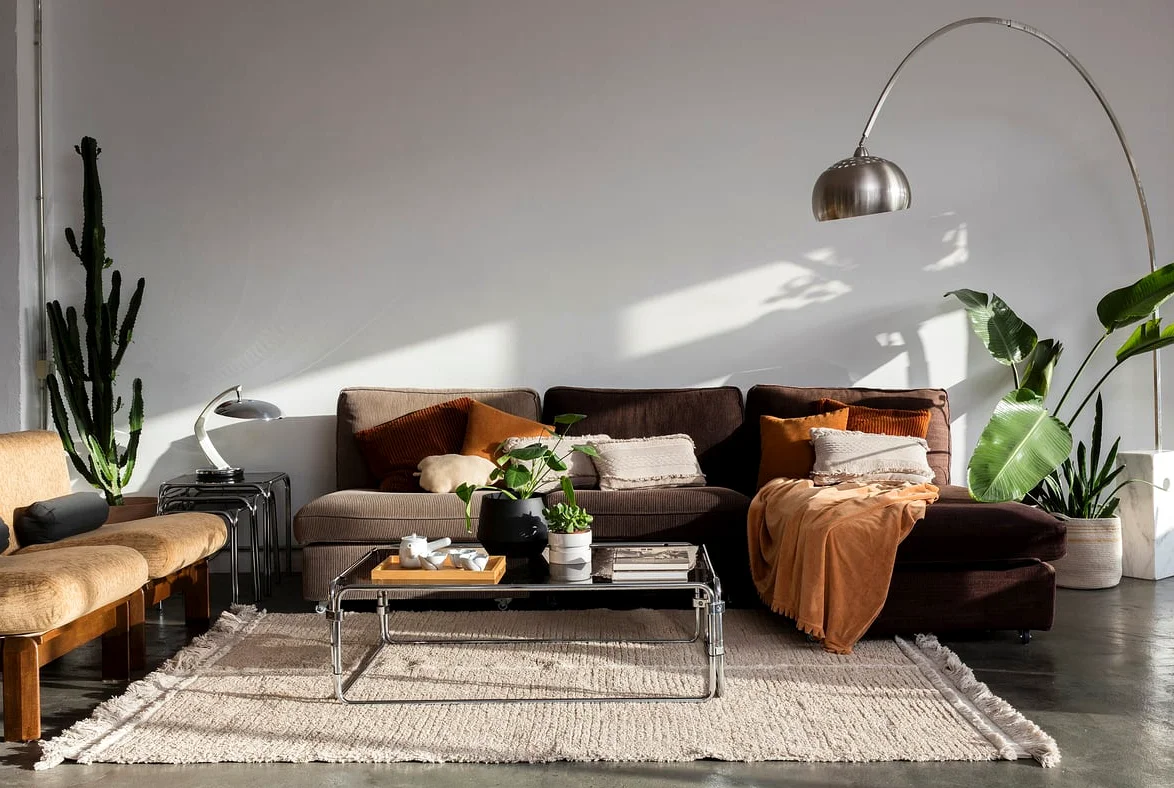
Across the United States, homeowners are rethinking their approach to interior design, favoring sustainability and longevity over quick seasonal updates. This trend, often referred to as ‘quiet green design,’ is changing the home décor market, with natural fiber rugs becoming a key element of this shift. Unlike mass-produced, trendy items that are often discarded after a season, these rugs are designed to endure, reflecting a broader consumer movement toward thoughtful, eco-conscious choices.
Quiet Green Design Gains Momentum in Home Décor
The rise of quiet green design is evident in the growing popularity of natural fiber rugs, which are increasingly seen as foundational rather than temporary elements of home interiors. According to Rugs Direct, a leading online retailer, searches for rugs made from jute, cotton, and other natural materials have increased by 34% year-over-year. This shift is driven by a desire for sustainable, flexible pieces that can adapt to different spaces and seasons.
Designers and retailers are noting a clear departure from the glossy, synthetic finishes that dominated the market in the past decade. Instead, consumers are embracing braided jute, handwoven cotton, and other natural textures that bring warmth and subtle depth to a room. These materials are not only environmentally friendly but also durable, making them ideal for families and pet owners who prioritize practicality without sacrificing style.
One example of this trend is the Beatrice Fiona Natural Jute Braided Area Rug by Rajani Home, which has seen a 50% increase in sales since 2023. Made from renewable plant fibers, this rug exemplifies the quiet green design philosophy, offering an organic texture that complements a wide range of interiors without overwhelming the space.
Earth Tones and Natural Materials Take Center Stage
The quiet green movement is also influencing color palettes in home décor. Earthy tones such as sand, moss, clay, and soft oat are becoming increasingly popular, reflecting a desire to bring the calming qualities of nature indoors. These colors work particularly well with natural fiber rugs, creating a cohesive and harmonious look that reinforces a sense of calm and continuity in living spaces.
Accessories are following suit, with products like the Hollis Sabine Natural Jute and Cotton Handmade Pillow by Rugology gaining traction. These items add depth and softness to a room without overwhelming it, aligning with the overall goal of quiet green design to create subtle yet impactful interiors.
According to interior designer Sarah Mitchell, who has been tracking the shift in consumer preferences, the popularity of earth tones and natural materials is not just a passing trend but a reflection of deeper values. ‘Consumers are looking for ways to incorporate sustainability into their homes without making it feel like a complete lifestyle overhaul,’ she said. ‘Natural fiber rugs offer a practical and accessible way to do that.’
Practicality and Sustainability in Harmony
One of the key drivers of the quiet green design movement is the balance between sustainability and practicality. While eco-conscious materials are increasingly in demand, consumers still expect their home furnishings to be durable and easy to care for. Washable rugs and resilient natural fiber constructions are major decision drivers, particularly for households with children or pets.
This balance reflects a broader shift in consumer expectations. Sustainability is no longer seen as a compromise but as an integral part of smarter product design. According to a 2024 survey by the National Association of Home Builders, 68% of homeowners now prioritize sustainability when making home décor purchases, with 45% specifically looking for products made from natural materials.
For many, the quiet green approach offers a more approachable alternative to the often overwhelming notion of a complete eco-friendly overhaul. Instead of large-scale renovations, consumers are starting with smaller, practical updates. Rugs and textiles are often among the first changes because they are relatively accessible, visually impactful, and easy to incorporate into existing spaces.
A natural fiber rug can introduce organic texture, soften a room’s palette, and reinforce a sense of calm without requiring a full redesign. This incremental approach is helping reshape the way homes evolve, with each change contributing to a more sustainable and thoughtful living environment.
What makes quiet green design notable is not just the materials involved but the mindset behind it. Consumers are increasingly prioritizing fewer, better pieces that offer longevity, versatility, and subtle beauty. Natural fiber rugs, with their durability and timeless texture, fit neatly into that philosophy.
As Earth Day continues to inspire conversations about sustainability, this quieter approach to home design suggests that the most meaningful changes may be those that blend smoothly into everyday life. By choosing products that are both eco-friendly and practical, homeowners are redefining what it means to live sustainably in the 21st century.






Comments
No comments yet
Be the first to share your thoughts