

 Al Jazeera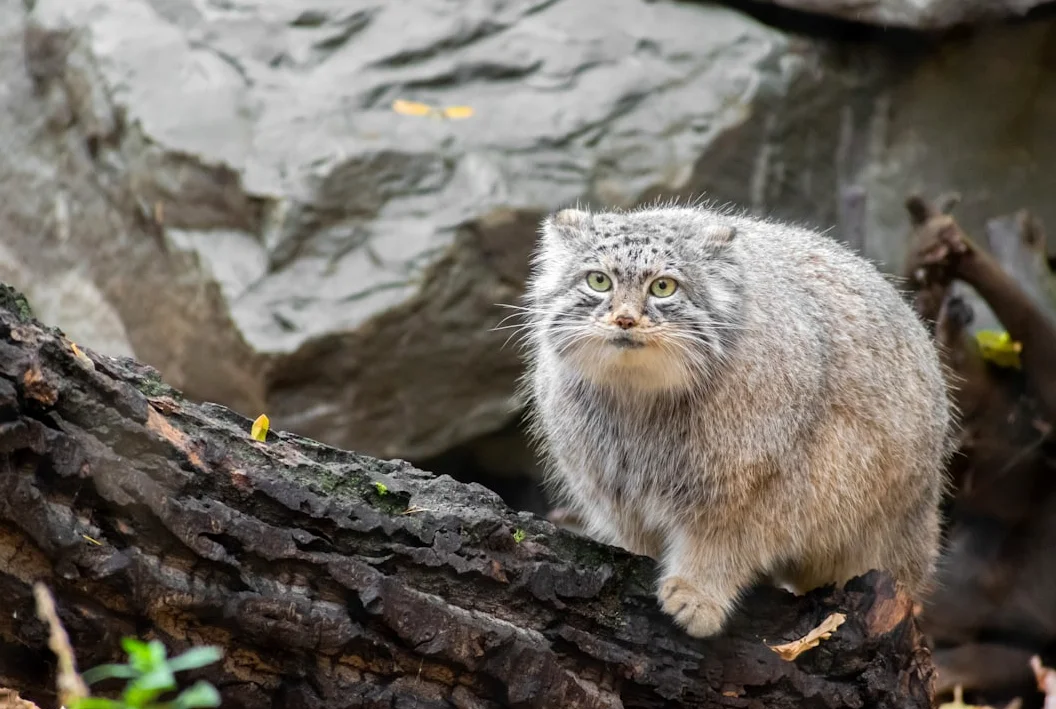
Elusive Feline Spotted in Northern Iran
The Pallas’s cat, also known as the manul, is a small wild feline native to Central Asia and the Middle East — it is considered one of the least studied wild cat species in the region. The recent footage offers a rare opportunity to observe the animal in its natural habitat.
The Nava highlands, located in Mazandaran province, are known for their rugged terrain and diverse ecosystems; the area has long been a haven for wildlife researchers and conservationists. The Pallas’s cat was captured on camera during a wildlife monitoring project in the region.
Experts say the sighting is significant because the Pallas’s cat is rarely seen outside of scientific studies; the animal is known for its thick fur, round face, and distinctive features that help it blend into rocky and mountainous environments.
Significance of the Sighting
Wildlife conservationists have expressed optimism over the discovery, while the footage provides valuable data on the cat’s behavior and habitat in the region — Researchers hope it will contribute to better conservation strategies for the species.
According to the report, the Pallas’s cat is listed as a near-threatened species by the International Union for Conservation of Nature (IUCN), its population is estimated to be declining due to habitat loss and human encroachment. The recent sighting in Iran could indicate a stable or growing population in the area.
The Nava highlands have been identified as a key area for biodiversity conservation in Iran, as the region is home to a variety of rare and endemic species, including other wild cats and birds of prey. Conservation efforts in the area have been ongoing for several years, with support from local and international organizations.
Efforts to Protect the Pallas’s Cat
The Iranian Department of Environment has been working to protect and monitor the region’s wildlife. The department has implemented several initiatives to reduce human-wildlife conflict and promote sustainable land use. These efforts include habitat restoration and community engagement programs.
Wildlife researchers have also been using camera traps to document the presence of various species in the Nava highlands. The recent footage of the Pallas’s cat was captured using one of these devices. The use of technology has allowed scientists to gather more data without disturbing the animals.
Local communities in the area have also been involved in conservation efforts. Education and awareness campaigns have been launched to inform residents about the importance of preserving the region’s biodiversity. These campaigns have included school programs and public events to promote environmental stewardship.
While the Pallas’s cat remains a rare and elusive species, the recent footage is a positive sign for conservationists. It highlights the importance of continued research and protection efforts in the region. The sighting also shows the need to preserve natural habitats for wildlife.






Comments
No comments yet
Be the first to share your thoughts