

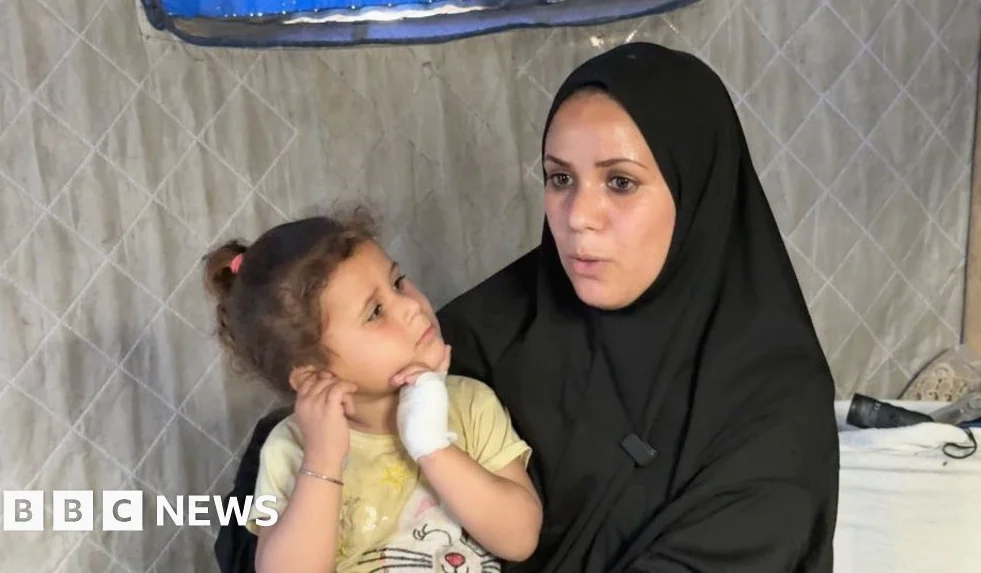
Displaced families in Gaza are battling a growing rodent infestation that has turned their makeshift camps into dangerous environments. A displaced mother, Mayaseen, recalled a traumatic incident when a weasel attacked her daughter, leaving her hand covered in blood. ‘When my husband turned on the torch, the weasel ran away. I looked at my daughter’s hand, and it was all bloody. Everything was bloody,’ she said, according to the BBC.
A Public Health Crisis
The infestation has led to urgent calls from aid workers for measures to counter the public health risks. Rodents pose a threat through bites, scratches, and the spread of diseases like leptospirosis, respiratory infections, and food poisoning. The local World Health Organization representative, Dr. Reinhilde Van De Weert, said the infestations are ‘unfortunately, the predictable consequence of a collapsed living environment.’
Dr. Bassam Zaqout, director of medical relief in Gaza, warned of leptospirosis, a disease transmitted through rodent urine, becoming a grim reality in the camps. ‘This outbreak arrives amid firm living conditions: suffocating overcrowding, a dire lack of clean water, and the total collapse of basic health infrastructure,’ he said, according to Truthout.
Living Conditions and Health Risks
With over 1.45 million people affected, the situation is dire. In a recent survey cited by UN agencies, 80% of sites where displaced families are living show frequent rodent or pest activity. Rodents can harm people through their urine, droppings, and fleas, leading to various health complications.
One grandmother, who suffers from diabetes and nerve damage to her feet, reported having parts of her toes bitten off by rodents. The situation has created a state of panic across the camps, with parents now taking turns to stand guard at night to protect their children from these aggressive creatures.
International Response and Stalled Progress
The Israeli defence body, Cogat, which controls Gaza’s crossings, has stated it is working with international organizations to address sanitation needs. However, more than six months after the US brokered a ceasefire deal in October 2025, there has been little improvement in the humanitarian situation, and progress appears to be stuck. There are still regular deadly airstrikes in which Israel says it is targeting Hamas.
The camps, now in their third consecutive year of displacement, are described as perfect breeding grounds for the crisis, with mounting waste and overflowing sewage systems. The suffering of Gazans has been pushed to the margins of global consciousness, and there has been little relief from this human-made crisis.






Comments
No comments yet
Be the first to share your thoughts