

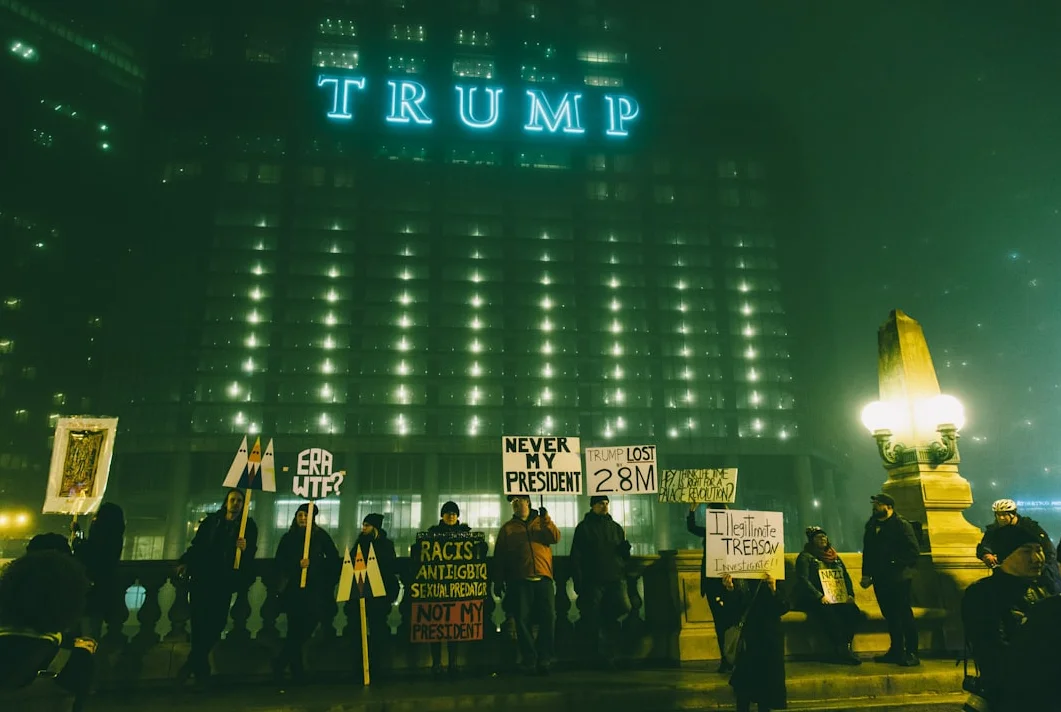
Following a shooting at the Washington Hilton on April 25, 2026, experts and lawmakers are sounding the alarm on the growing frequency of politically driven violence in the United States. The attack occurred during the White House Correspondents’ Association dinner and marked the third attempt on Trump’s life since 2024; Analysts point to several recent incidents,including the assassinations of right-wing activist Charlie Kirk and Democratic state legislator Melissa Hortman,as part of an alarming trend.
Evidence of Escalating Violence
Professor Robert Pape of the University of Chicago, author of the upcoming book “Our Own Worst Enemies: America in the Age of Violent Populism,” and James Piazza, a political violence scholar at Penn State, both highlight the sharp rise in politically motivated violence since the January 6, 2021, Capitol insurrection. Piazza notes that the U.S. has seen a “period of increased political violence” over the past several years. This includes multiple assassination attempts on Trump, attacks on Minnesota lawmakers Melissa Hortman and John Hoffman,resulting in the deaths of Hortman and her husband,and the attempted murder of Paul Pelosi. In Pennsylvania. Governor Josh Shapiro was also targeted in an attack on the governor’s mansion.
Drivers of Political Violence
Researchers at the Polarization & Extremism Research & Innovation Lab have documented a sharp increase in such incidents. Piazza points to several key drivers: heightened political polarization, the spread of extremist rhetoric, and the influence of public figures who normalize aggressive or retaliatory behavior. These factors contribute to a climate where violence is increasingly seen as a legitimate political tool. Pape adds that violent populism. Where political leaders or movements use or endorse violence as a means of advancing their agendas,has become more prevalent, especially amid deepening societal divides.
Responses from Lawmakers and the Public
Republican Congresswoman Young Kim, a Korean-American representative, responded to the latest attack by condemning political violence and emphasizing the need for unity and de-escalation. She stated, “Americans should never fear violent retribution for using our voices—whether voting at the polls, attending a rally, or speaking up in our communities. Our differences are settled through the political process. Violence is unacceptable.” Kim stressed the importance of maintaining peaceful political discourse as the cornerstone of democracy.
As investigations continue into the April 25 incident, experts and lawmakers alike are calling for a broader examination of the underlying causes of political violence and what can be done to mitigate its spread. The challenge remains how to address these issues without further polarizing an already divided public sphere.
Comments
No comments yet
Be the first to share your thoughts