

 The Hindu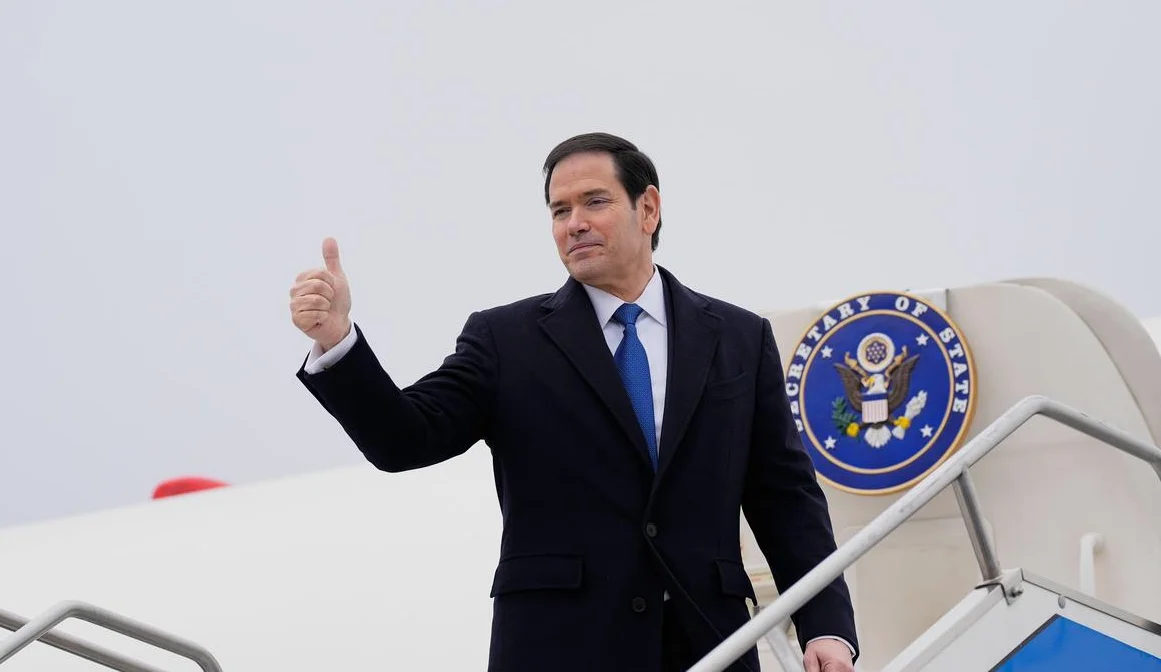
Secretary of State Marco Rubio heads to Israel on February 28 to update Prime Minister Benjamin Netanyahu on the latest U.S.-Iran nuclear negotiations. Two administration officials disclosed the travel plans on condition of anonymity Wednesday, ahead of any public announcement.
The trip comes after two rounds of indirect talks between Washington and Tehran over Iran’s nuclear program. Iranian Foreign Minister Abbas Araghchi expressed optimism this week, stating a “new window has opened” for an agreement. U.S. Vice President J.D. Vance offered a more cautious take during a Fox News interview Tuesday. “In some ways, it went well,” Vance said. “But in other ways, it was very clear that the president has set some red lines that the Iranians are not yet willing to actually acknowledge and work through.”
Netanyahu pressed those points directly with President Donald Trump during a White House visit last week. The Israeli leader called for any nuclear deal to address Iran’s ballistic missile development and its support for proxy militias including Hamas and Hezbollah.
Trump has kept military options on the table. He told reporters last week that a change in Iran’s leadership “seems like that would be the best thing that could happen.” The president noted the Islamic Republic’s 47 years of fruitless discussions.
U.S. forces have surged into the Middle East amid the deliberations. The Navy redirected the USS Gerald R. Ford, the world’s largest aircraft carrier, from the Caribbean to the region. It will join a second carrier strike group along with additional warships.
Dozens of fighter jets—including F-35s, F-22s and F-16s—have deployed from U.S. and European bases, according to the Military Air Tracking Alliance. The group of about 30 open-source analysts reported more than 85 fuel tankers and over 170 cargo planes streaming toward the area as well.
Steffan Watkins, a Canadian researcher with the alliance, tracked six E-3 early-warning aircraft rerouted to a Saudi Arabian base. Those planes, pulled from Japan, Germany and Hawaii, play a critical role in coordinating large-scale air operations.
The buildup has heightened fears of escalation. Any U.S. strike on Iran could ignite a broader Middle East war, officials have warned privately. Rubio’s Jerusalem talks will test whether diplomatic momentum can outpace the military posturing.
Netanyahu has long viewed Iran’s nuclear ambitions as an existential threat to Israel. His push for missile curbs and curbs on proxy funding aligns with Trump’s tougher stance, a shift from the 2015 nuclear accord that the Republican abandoned in his first term.
Araghchi’s positive remarks followed the second round of talks, held through intermediaries. U.S. officials described the sessions as constructive but short of breakthroughs on key demands.




Comments
No comments yet
Be the first to share your thoughts