

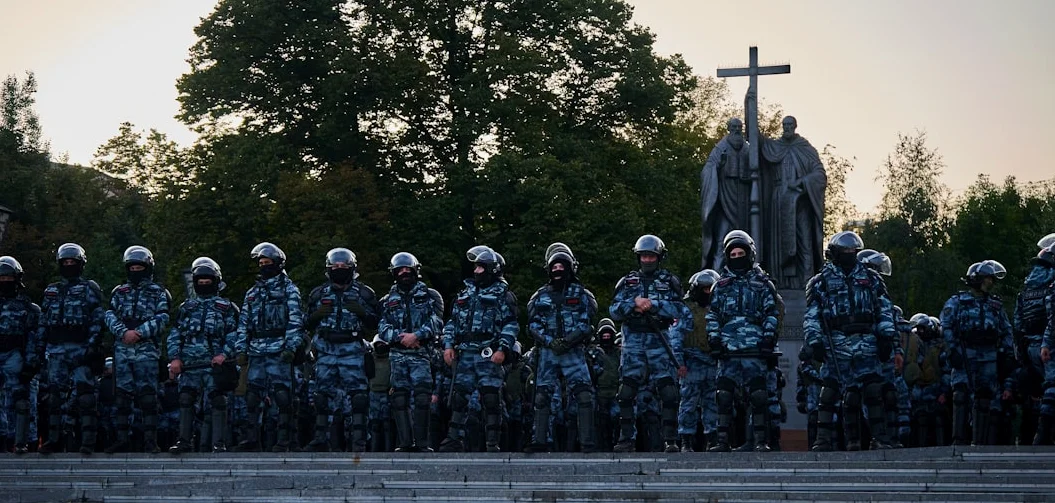
Russian President Vladimir Putin will visit China from May 19 to 20, the Kremlin announced, marking a key moment in Sino-Russian relations — the visit aims to “further strengthen the thorough partnership and strategic cooperation” between Moscow and Beijing, according to the Kremlin.
Timing and Symbolism of the Visit
The trip follows closely on the heels of U.S; President Donald Trump’s visit to China, which took place from May 18 to 21; the rapid succession of visits highlights the geopolitical rivalry between the U.S. and Russia. The timing also coincides with the 25th anniversary of the Treaty of Good-Neighborliness and Friendly Cooperation signed between Russia and China in 2001.
Putin is expected to meet with Chinese President Xi Jinping and Premier Li Qiang to discuss economic and trade cooperation, as well as broader strategic alignment. The visit also comes amid deepening divisions within the BRICS group over the Iran war, with no joint statement issued after recent talks.
Trump’s Diplomatic Missteps and Putin’s Exploit
Trump’s visit to China was marked by limited progress on key issues such as Taiwan and the U.S.-Israel war on Iran; Despite touting trade deals, the summit did not yield a breakthrough on the Iran conflict. Trump also downplayed Russian drone incursions into NATO territory, attributing them to possible mistakes, a stance that contrasts with the more hawkish policies of former President Ronald Reagan.
Trump also delayed sanctions on Russia. A move seen as appeasing Putin. Though In a letter on Truth Social, he conditioned sanctions on NATO members halting Russian oil purchases. Critics argue this sets an unattainable condition, allowing Trump to avoid direct confrontation with Moscow; Meanwhile, Ukrainian President Zelensky accused Russia of targeting civilians during Trump’s visit, suggesting the attacks were intentional to disrupt U.S.-China diplomacy.
Strategic Implications for Russia and China
The timing of Putin’s visit to China—immediately after Trump’s,has raised questions about Moscow’s strategic urgency. Analysts suggest that the war in Ukraine has exposed structural weaknesses in Russia, and the visit could reflect growing reliance on China. Russia, once the sole global rival to the U.S., now faces internal and external challenges despite its vast nuclear arsenal.
China, meanwhile, has taken steps to secure its energy supply in the wake of the Iran war. It has suspended oil exports and reduced fuel price hikes to stabilize domestic supply. The country has also been stockpiling crude oil since 2025 to buffer against global supply shocks. Trump has also urged China to help police the Strait of Hormuz, a key energy chokepoint.
The Sino-Russian partnership, while long-standing, has taken on new significance in 2024. Despite China’s official neutrality in the Ukraine war, its close ties with Russia have limited its mediation role. Xi and Putin’s “no limits” alliance, announced ahead of the Russian invasion, has reinforced this dynamic, even as China seeks to maintain a global image as a mediator.



Comments
No comments yet
Be the first to share your thoughts