

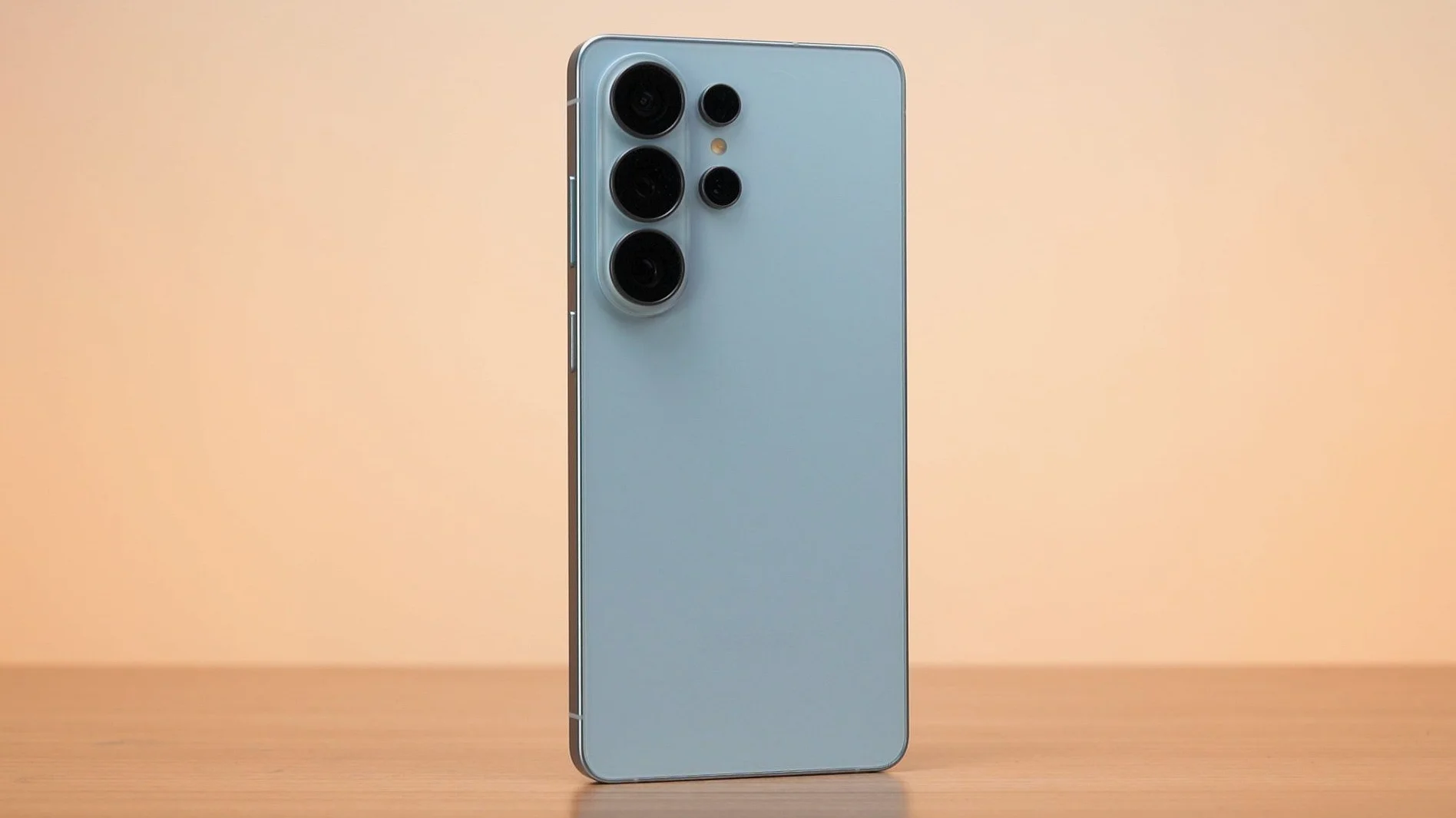
The Samsung Galaxy S26 Ultra, the latest flagship smartphone from the tech giant, has sparked controversy over its display and performance, despite improvements in battery life and charging speed. The device, which is powered by the Qualcomm Snapdragon 8 Elite Gen 5 chipset, has drawn attention for its 8-bit display, reduced anti-reflection technology, and issues with certain mobile games.
Display Controversies and Color Accuracy
The S26 Ultra features a 6.9-inch Dynamic AMOLED 2X display with a resolution of 3120×1440 pixels and a 120Hz refresh rate. While the screen’s brightness can reach up to 1370 nits in auto brightness mode, it has faced criticism for its color accuracy and anti-reflection performance.
The screen can cover 99.42% of sRGB and 83.14% of DCI-P3 color gamuts with the default vividness level 1 settings. However, when the vividness level is increased to 3, the device only covers 96.55% of DCI-P3, which is below the 100% coverage of previous models like the S26+.
Another controversy centers around the display’s color depth. Despite claims of a 10-bit display, the S26 Ultra actually has an 8-bit display, capable of showing 16.7 million colors. This contradicts initial rumors and has led to confusion among users and reviewers.
Privacy Display Feature and Anti-Reflection Issues
The S26 Ultra includes a new Privacy Display feature that reduces visibility from the side by adjusting brightness and limiting color accuracy. However, when maximum privacy mode is enabled, the display’s color accuracy is significantly compromised, making it unsuitable for extended use.
Additionally, the device’s anti-reflection technology has been downgraded compared to previous models. Instead of creating a purple spot under bright light, the S26 Ultra produces a white spot, which some users find less appealing. While this may not be a major issue for those who use screen protectors, it has raised concerns about the phone’s overall display quality.
Performance and Gaming Tests
Powered by the Qualcomm Snapdragon 8 Elite Gen 5, the S26 Ultra performs well in most tasks. In benchmark tests, it handles games like Genshin Impact smoothly at maximum settings. However, it struggles with more demanding titles such as Zenless Zone Zero, which experiences crashes during chain attacks. This issue has persisted for over a month and affects all Snapdragon 8 Elite Gen 5 devices.
Another game, Wuthering Waves, shows signs of poor optimization, resulting in stuttering and frame drops. Despite these issues, the S26 Ultra outperforms other devices using the same chipset, indicating that there may be some performance improvements in the hardware.
Testing with custom drivers also revealed inconsistencies, as the Snapdragon 8 Elite Gen 5 for Galaxy is different from the standard 8 Elite Gen 5. This has led to compatibility issues with certain applications and emulators.
Battery Life and Charging Speed
Despite having the same 5,000mAh battery as previous models, the S26 Ultra shows a significant improvement in battery efficiency. In a standardized test, it lasted around 17 hours and 20 minutes at 1440p resolution, which is a 10% improvement over the Snapdragon 8 Elite chipset.
The phone also supports 60W wired fast charging via USB-PD PPS, which charges the battery from 5% to 100% in around 47 minutes. The maximum charging speed reached is 53W, and the device’s temperature peaks at 40°C, which is lower than the typical 45°C threshold for throttling.
This improvement in battery efficiency and charging speed marks a positive change for Samsung, and it is expected that other chipset manufacturers will take note of these developments.
Overall, the Samsung Galaxy S26 Ultra offers a compelling blend of features and performance, but its display and gaming issues may deter some users. As the smartphone market continues to evolve, it remains to be seen how these controversies will affect its reception and sales performance.






Comments
No comments yet
Be the first to share your thoughts