

 The Guardian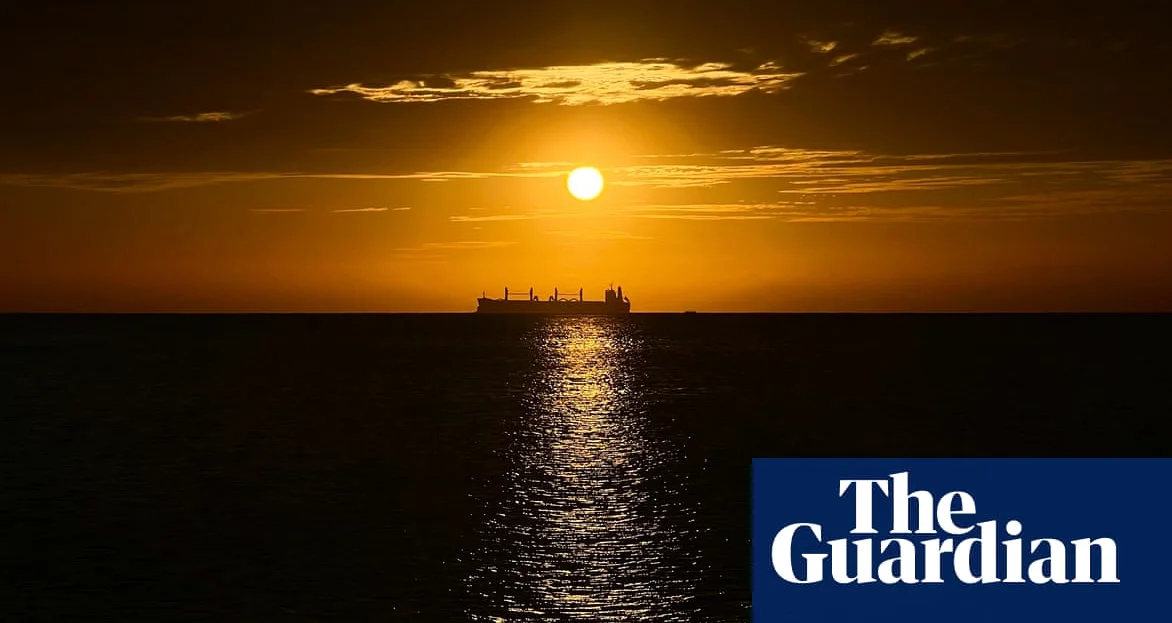
From the grey sandy beaches of Santa Marta, on Colombia’s Caribbean coast, signs of the country’s fossil fuel export trade are evident. Oil tankers ride at anchor on the horizon and sometimes, locals say, lumps of coal wash up on the shore, blown off the collier ships that carry cargos from the nearby mines.
Colombia Hosts Landmark Climate Conference
On Wednesday evening, the Colombian government took a bold step to shift its economy,and that of the rest of the world—away from coal, gas, and oil. With the first ever conference on “transitioning away from fossil fuels,” the host joined nearly 60 countries determined to loosen the grip of petrostates on the world’s future.
“This is the beginning of a new global climate democracy,” Irene Vélez Torres, Colombia’s environment minister and chair of the talks, said in closing remarks that celebrated a “new method” of bringing together high-ambition governments, parliamentarians, and civil society groups to accelerate the decarbonisation of their economies.
Global Divide and Economic Impact
At this moment in history, the conference may also mark a new global divide between “electro-democracies” and petro-dictatorships. The initiative has come at a turning point in the climate fight. Oil and gas prices have soared since the US-Israeli attacks on Iran, the second such crisis within five years, after the price rises that followed Russia’s invasion of Ukraine.
Households around the world are spiralling into debt, farmers cannot afford fertiliser, and governments are remembering that a dependency on volatile fossil fuels is holding them hostage to geopolitical forces they cannot control. The global economy faces a triple whammy: rising energy costs; rising food costs that follow; and the spectre of rampant inflation that will raise interest rates and add to the cost of servicing debt.
Both rich and poor nations are feeling the impact, but the poor with their higher levels of debt and lower reserves are suffering more. Repeated oil shocks blighted the 1970s, and the current crisis is not only greater than those but more impactful than all previous crises combined, according to Fatih Birol, the world’s leading energy economist and chief of the International Energy Agency, the gold standard in energy research.
Renewable Energy as a Viable Alternative
“This is bigger than all the biggest crises combined, and therefore huge,” he said in an exclusive Guardian interview. “I still cannot understand that the world was so blindsided, that the global economy can be held hostage to a 50km strait.” What is different today from previous oil shocks is the ready availability of a viable alternative: cheap, reliable, and plentiful renewable energy from the wind and sun, with modern battery technology to smooth over any intermittency.
Electric vehicles and heat pumps can shift transport and heating off fossil fuels and on to far more efficient electricity. For those reasons, Birol predicted the current shock would mark a permanent change for the global energy industry, leading consumer countries to lose trust in fossil fuels. “Their perception of risk and reliability will change,” he said. “Governants will review their energy strategies. There will be a significant boost to renewables and nuclear power and a further shift towards a more electrified future. And this will cut into the main markets for oil.”
These changes would be lasting, he added. “The vase is broken, the damage is done – it will be very difficult to put the pieces back together. This will have permanent consequences for the global energy market for years to come.”






Comments
No comments yet
Be the first to share your thoughts