

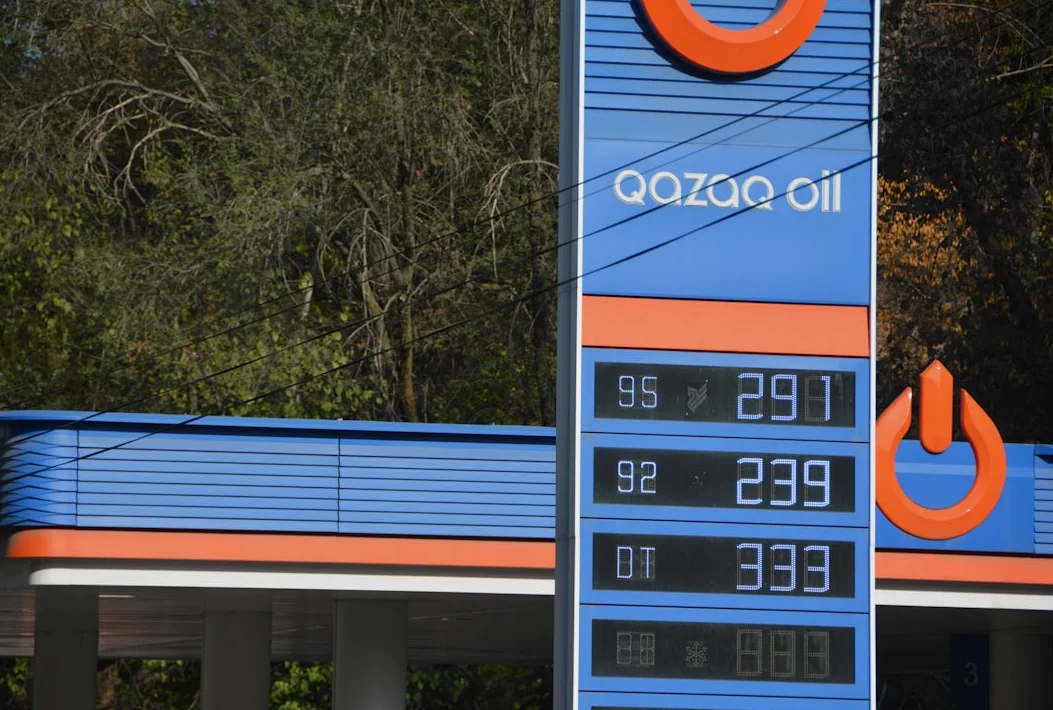
Shares falter as oil prices remain elevated amid US-Iran tensions, with markets reacting to a volatile geopolitical area and fluctuating energy prices; the S&P 500 contracts climbed 0.4 per cent, while those for the Nasdaq 100 rose 0.6 per cent, according to The Irish Times. However, broader equity markets have faltered under renewed inflation fears, with Asia’s stocks falling and oil prices retreating slightly after a previous surge but still remaining well above $100 a barrel.
Geopolitical Tensions and Energy Price Volatility
Reports of a days-long standstill in tanker movement through the Strait of Hormuz have triggered an intense and immediate reaction across commodity markets. During a single trading session, the price of WTI crude oil surged roughly 8.5%, breaking through the $80 per barrel threshold. The North Sea Brent benchmark also climbed significantly, moving above $85 per barrel, as per AD HOC NEWS.
Traders are taking comfort in ongoing diplomatic efforts to resolve the impasse, with Iranian foreign minister Abbas Araghchi stating that talks with the Americans are “making progress.” A flare-up of violence in the Middle East has injected fresh uncertainty after strong earnings from tech megacaps and gains in chipmakers pushed equities to a succession of records.
Energy Sector Outperformance
Chevron’s stock has charted an upward trajectory amid the tightening oil supply, reaching a new all-time high of 163.62 euros. This performance contrasts with the broader market’s uncertainty, with Chevron’s share price gaining nearly 23% since the start of the year. Rising U.S. gasoline prices—up approximately 9% week-over-week—are stoking concerns that inflation may prove persistent, according to AD HOC NEWS.
Builders of processing and memory chips were among the biggest gainers in premarket trading. Later on Tuesday, a forecast from Advanced Micro Devices will offer new clues on whether the spending spree on artificial intelligence is sustainable, as per The Irish Times. In the U.S., Intel advanced more than 3 per cent in early trading, while Apple Inc. has held exploratory discussions about using the firm and Samsung Electronics to produce processors for its devices.
Market Reactions and Regional Variances
Global bonds strengthened as Brent retreated 1.3 per cent to below $113 a barrel. The exception was the UK, where traders returned after a public holiday and caught up with Monday’s spike in global yields as money markets dialled up bets on interest rate hikes. The dollar held steady, according to The Irish Times.
In Asia, MSCI’s broadest index of Asia-Pacific shares outside Japan dropped 0.6% in thin trade, with markets in Japan and South Korea closed for a holiday. Hong Kong’s Hang Seng Index lost more than 1%, while China’s CSI300 blue-chip index was little changed. The U.S. and Iran launched new attacks in the Gulf on Monday as they wrestled for control over the Strait of Hormuz with duelling maritime blockades, according to KLSE Screener.
Madison Faller, global strategist at JPMorgan Private Bank, noted, “Earnings remain the fuel for the US rally. The next question is whether earnings strength can broaden beyond technology. Portfolios need more than just one sector carrying the market.”
Meanwhile, investors are seeking refuge in sectors ready to benefit from the current climate. Capital is flowing decisively toward companies like Chevron, which is seen as a direct beneficiary of higher energy prices.
Traders also had their eyes on the yen after the Japanese currency briefly jumped in the previous session, stoking speculation of another round of intervention from Tokyo. EUROSTOXX 50 futures were down 0.3% and FTSE futures shed 1%, while DAX futures lost 0.4%.






Comments
No comments yet
Be the first to share your thoughts