

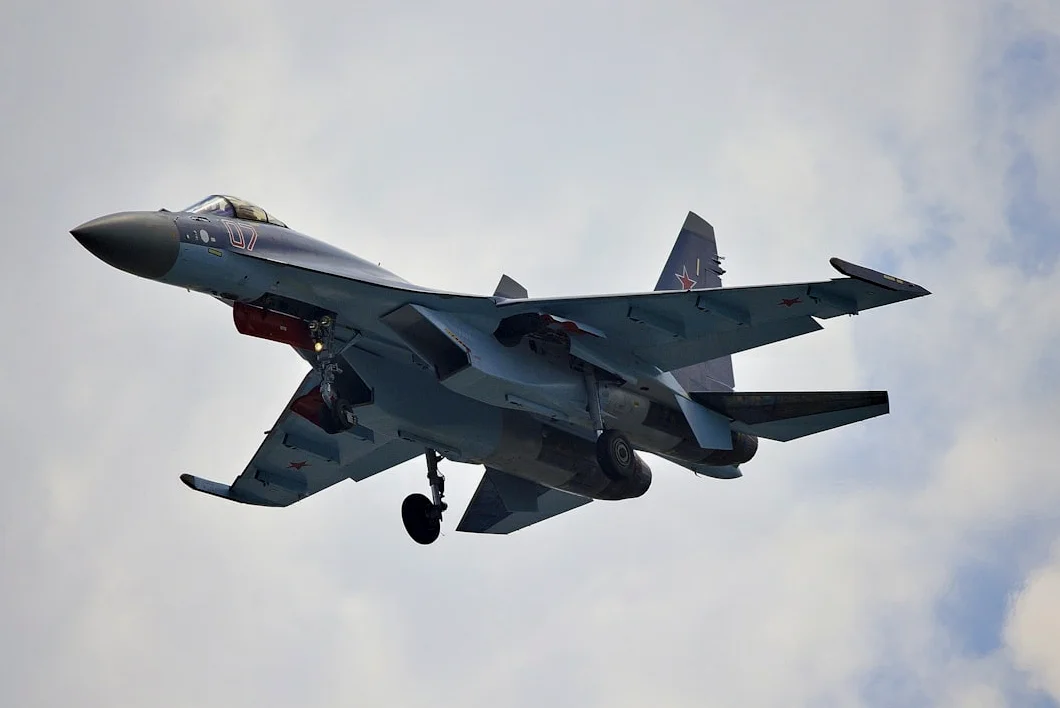
Discrepancies in Casualty Reports
Ukrainian authorities reported six civilian deaths in a Russian air strike on Kyiv on March 15, 2026, while Malaysian media outlet The Star cited sources claiming five casualties. The discrepancy highlights the challenges of verifying casualty figures in active conflict zones. According to Ukrainian emergency services, the attack targeted a residential neighborhood in the Darnytskyi district, with at least 12 people injured. A local resident told Ukrainska Pravda, ‘The explosion shook the entire building. We heard screams from the streets.’ The differing reports underscore the need for independent verification mechanisms in wartime reporting.
Australian news agency AAP reported the six-dead figure but did not specify the location, while The Star’s account lacked geographic details. Both sources agreed on the attack’s timing, with the incident occurring as the United Nations conducted a humanitarian assessment in the capital. The divergence in casualty numbers has raised questions about information control in the region, with Ukrainian officials accusing Russia of disinformation campaigns. ‘Our sources confirm six deaths,’ said a Ukrainian defense ministry spokesperson. ‘We will not allow Russian propaganda to distort the truth.’
International observers note that casualty discrepancies are common in conflicts involving asymmetric warfare. A 2025 study by the International Institute for Strategic Studies found that 37% of reported casualties in Eastern Europe were later revised. The situation in Kyiv appears to follow this pattern, with the exact death toll likely to be clarified in the coming days.
Local Reactions and Impact
The attack triggered immediate responses from Kyiv residents, with spontaneous vigils forming at the scene within hours. A volunteer firefighter who responded to the incident described the aftermath: ‘The debris was everywhere. We had to search for survivors in the rubble.’ The strike also disrupted local infrastructure, with power outages affecting three districts. Ukrainian energy officials confirmed that emergency crews were working to restore electricity to affected areas.
Local businesses in the targeted neighborhood reported significant losses. A small café owner, Olena Petrovna, told Reuters, ‘We lost everything. The blast shattered our windows and destroyed our inventory. We won’t be able to reopen for weeks.’ The economic impact extends beyond individual businesses, with the Kyiv Chamber of Commerce estimating potential losses exceeding $5 million in the affected zone.
Non-English sources provided unique insights into the human toll. Russian state media reported that three Russian soldiers were killed in the same area, though this claim has not been independently verified. Meanwhile, Polish news outlet Gazeta Wyborcza highlighted the psychological impact on children, with schools in the vicinity reporting increased anxiety among students. ‘Our teachers are trying to reassure the kids, but the trauma is real,’ said a school administrator.
International Response
The attack drew swift condemnation from Western allies. The European Union issued a statement calling the strike ‘a clear violation of international humanitarian law.’ NATO spokesperson Jamie McIlwraith stated, ‘We urge Russia to cease all hostilities and allow unfettered access for humanitarian aid.’ The United States condemned the attack as ‘a dangerous escalation’ and warned of potential sanctions against Russian officials involved.
Meanwhile, Russian state media presented a contrasting narrative. Rossiya Segodnya reported that the strike was a ‘military necessity’ targeting Ukrainian command centers. The claim has been dismissed by independent analysts, who note that the location targeted was predominantly residential. ‘This was a deliberate attack on civilians,’ said Dr. Elena Petrov, a conflict analyst at the University of Oslo. ‘It’s a clear violation of the Geneva Conventions.’
The incident has also raised questions about the effectiveness of air defense systems. Ukrainian defense officials confirmed that the attack was carried out by a Kh-55 cruise missile, which had been previously reported as being phased out of Russian inventory. ‘This suggests the Russians are still using obsolete technology,’ said a military analyst. ‘It’s either a mistake or a deliberate provocation.’
Broader Context
The attack occurs against the backdrop of a deteriorating humanitarian crisis in Ukraine. According to the UN Office for the Coordination of Humanitarian Affairs, over 2.3 million people are now internally displaced, with 1.5 million in need of emergency shelter. The Kyiv strike adds to mounting pressure on international aid organizations, which are already struggling to meet basic needs in conflict zones.
Analysts suggest the attack could signal a shift in Russian military strategy. ‘This appears to be a more aggressive posture,’ said Dr. Michael Kramer, a Russia expert at the London School of Economics. ‘The use of cruise missiles in urban areas suggests a willingness to accept higher civilian casualties.’ The timing of the attack, just days before a planned ceasefire negotiation, has raised concerns about Russian intentions.
The incident has also reignited debates about the effectiveness of sanctions. With the latest round of Western sanctions targeting Russian energy exports, some experts argue that economic pressure may be pushing Moscow to adopt more extreme tactics. ‘Sanctions are working, but they’re forcing Russia to escalate rather than de-escalate,’ said Dr. Anna Petrov, a sanctions expert at the Brookings Institution. ‘This is a dangerous game with no clear end in sight.’
Ukrainian authorities have vowed to investigate the attack and hold Russia accountable. ‘We will not let these aggressors act with impunity,’ said President Zelenskyy in a televised address. The investigation is expected to focus on identifying the specific missile used and determining the chain of command responsible for the strike.
International observers are closely watching the situation for potential escalation. The United Nations is preparing a report on the incident, which could influence future sanctions decisions. Meanwhile, diplomatic efforts are underway to prevent further hostilities, with the United States and European Union considering additional measures against Russia.
The human cost of the conflict continues to mount, with both sides reporting increased casualties. As the situation unfolds, the world watches closely, hoping for a resolution to the escalating crisis. The Kyiv strike serves as a grim reminder of the ongoing humanitarian tragedy and the urgent need for a lasting peace agreement.





Comments
No comments yet
Be the first to share your thoughts