

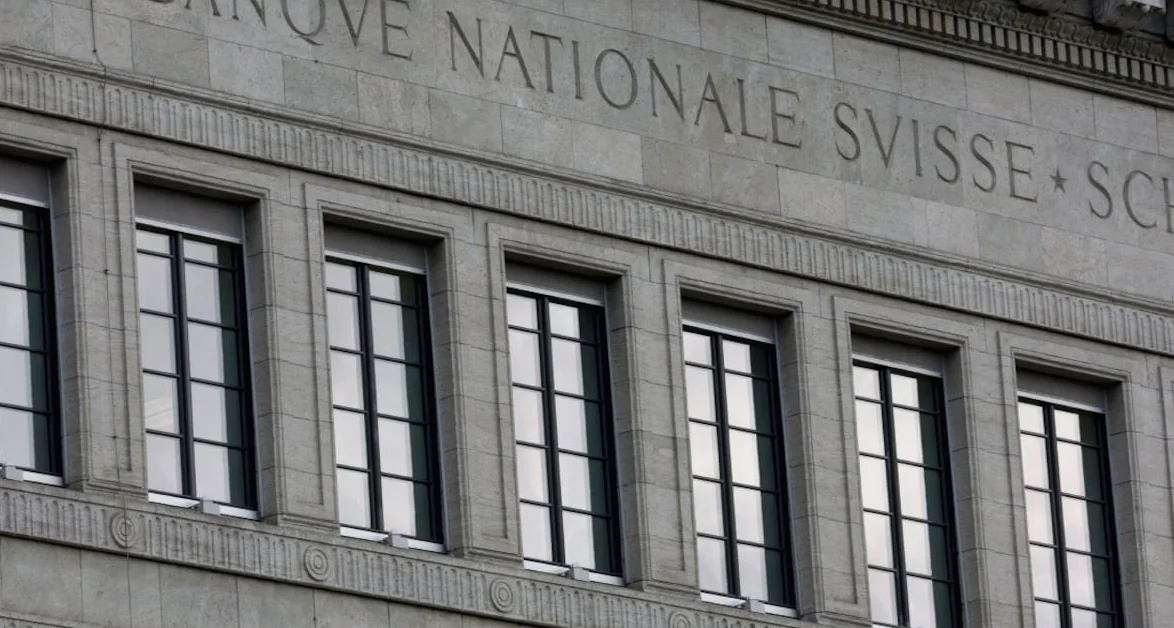
ZURICH — The Swiss National Bank laid out specifics Thursday for a new extended liquidity facility aimed at keeping Swiss banks afloat during crises. The ELF offers a quick, scalable way for lenders to secure cash from the central bank using approved collateral.
Bank representatives have pushed for clearer liquidity backstops since regulators orchestrated Credit Suisse’s sale to UBS in March 2023. That deal averted a broader meltdown but exposed gaps in emergency funding mechanisms. The SNB’s latest statement addresses those concerns head-on.
Under the ELF, banks can pledge mortgage-backed credit claims or a wide array of securities. Lenders choose one or both categories to access funds. The central bank stressed the process’s simplicity: standardized steps mean no drawn-out approvals during panics.
For Switzerland’s handful of systemically important banks — those whose failure could ripple across the economy — the SNB will consider extra collateral types on a case-by-case basis. Operational rules for handing over assets might also vary by institution, according to the statement.
The facility kicks off January 1, 2027. SNB officials expect it to shore up overall banking resilience. ‘This enhances our ability to provide liquidity precisely when markets freeze,’ the bank said.
Details emerged amid ongoing efforts to rebuild trust in Swiss finance. Credit Suisse’s downfall stemmed from heavy losses, client outflows and a liquidity crunch that standard tools couldn’t fully contain. The ELF builds on existing emergency lending but adds flexibility and speed.
Banks already use SNB repos and intraday credits, yet those proved insufficient in 2023. The new setup accepts riskier assets like mortgages, which tie into Switzerland’s property-heavy lending. Securities cover government bonds, corporate debt and equities, sources familiar with the plan said.
Participation requires meeting capital and solvency standards. The SNB will charge interest based on policy rates plus a premium, ensuring it’s a last resort. Officials rejected unlimited access to avoid moral hazard.
FINMA, Switzerland’s markets watchdog, endorsed the moves. It has ramped up oversight of big banks since the Credit Suisse saga, demanding stronger liquidity buffers. The ELF complements those rules, providing a safety net when private markets dry up.
Analysts see the plan as a direct response to global banking jitters. U.S. regional lender failures in 2023 amplified calls for strong central bank tools. Switzerland, home to UBS and others managing trillions, can’t afford similar vulnerabilities.
The SNB first hinted at ELF enhancements last year. Thursday’s announcement fills in operational blanks, from collateral valuation to settlement times. Banks must pre-register assets for faster processing.
While smaller lenders gain equal footing, giants like UBS stand to benefit most. Their vast mortgage books — over 1 trillion Swiss francs industrywide — become viable pledges. This could prevent forced asset fire sales in downturns.
Critics worry about taxpayer risk if collateral sours. The SNB countered that haircuts and overcollateralization minimize losses. Historical data shows central bank lending rarely leads to writedowns.
Implementation starts with testing in late 2026. Full rollout aligns with Europe’s post-crisis reforms. Swiss authorities hope the ELF cements the country’s reputation as a stable banking hub.






1 Comment