

 CBS News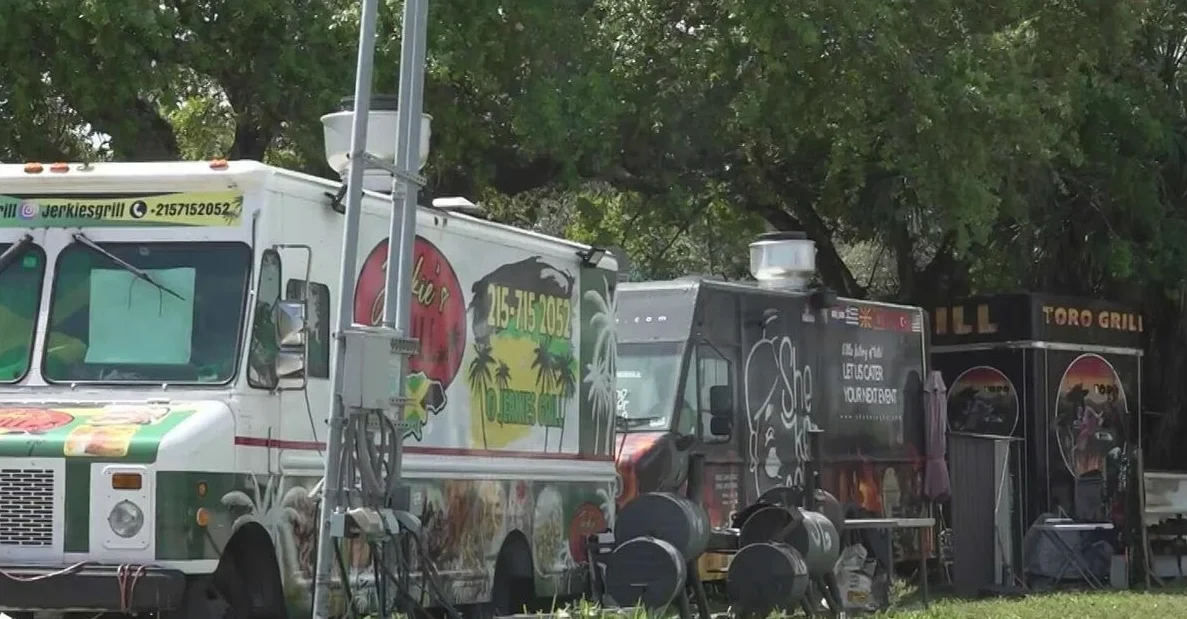
Food truck owners in Fort Lauderdale are grappling with a growing financial burden as rising gas and fuel prices, exacerbated by the ongoing war in Iran, strain their budgets. Operators are now facing a dilemma: absorb the increased costs or pass them on to customers, potentially altering the affordability of street food in the region.
Operational Costs Surge with Fuel Price Increases
At JB’s Cheesesteak, a popular food truck in downtown Fort Lauderdale, owner Victor Suarez has noticed a sharp increase in the cost of nearly every item he purchases. According to Suarez, the rising price of gasoline is creating a ripple effect, increasing delivery fees and product costs. To mitigate the impact, he has switched to using propane instead of traditional fuel for his dual generator, which is more efficient and less expensive. However, he remains concerned about the future.
“We haven’t changed our prices in probably 3 years, but that could change,” Suarez said. “We just have to see how things go in the next few weeks. I hope not.”
Challenges for Food Truck Operators
Other food truck owners in the area are facing similar difficulties. At a food truck park off Marina Mile, Fabien Gobin, owner of The French Touch, is worried that propane prices could rise next, compounding the financial pressure. While the trucks in the park can connect to electric outlets, traveling to off-site events still requires significant fuel expenditure.
Reno Campbell, co-owner of Jerkie’s Grill, noted that his older, less fuel-efficient truck and the need to run a generator add to his operating costs. “This past Saturday we went to West Palm Beach, that cost quite some money in gas,” Campbell said. He added that if fuel prices continue to rise, he and other food truck owners may have no choice but to increase their prices.
The concerns are not unfounded. AAA Florida spokesman Mark Jenkins confirmed that oil prices have risen, currently standing at slightly above $80 a barrel. That is about $6 more per barrel than the previous day, which Jenkins said is likely to result in another round of price increases at the pump. He added that a $6 increase in oil prices is equivalent to a 15-cent jump in gas prices at the pump.
Broader Implications for the Food Truck Industry
The impact of rising fuel costs is not limited to individual food truck owners. The industry as a whole is feeling the strain, with many operators forced to re-evaluate their business models. Some are exploring alternative energy sources, while others are seeking to reduce their travel frequency or find more cost-effective locations.
“For small business owners, the rising cost of fuel is a significant challenge,” said a local business analyst, who requested anonymity. “It’s not just about the price of gas—it’s about the entire supply chain and the ability to remain profitable in a competitive market.”
Analysts warn that unless there is a significant shift in fuel prices or a breakthrough in energy efficiency, the food truck industry could see a wave of price increases in the coming months. This could affect not only the operators but also consumers, who may find their favorite street food more expensive.
The situation highlights the vulnerability of small businesses to global economic fluctuations. As fuel prices remain volatile, food truck owners are left with few options to offset rising costs, potentially changing the landscape of street food in South Florida.
“We’re all watching the situation closely,” said Campbell. “If prices keep going up, we might have to make some tough decisions to stay afloat.”
With fuel costs continuing to climb, the future of the food truck industry in South Florida remains uncertain. For now, operators are hoping for stability, while keeping a close eye on the ever-changing energy market.






Comments
No comments yet
Be the first to share your thoughts