

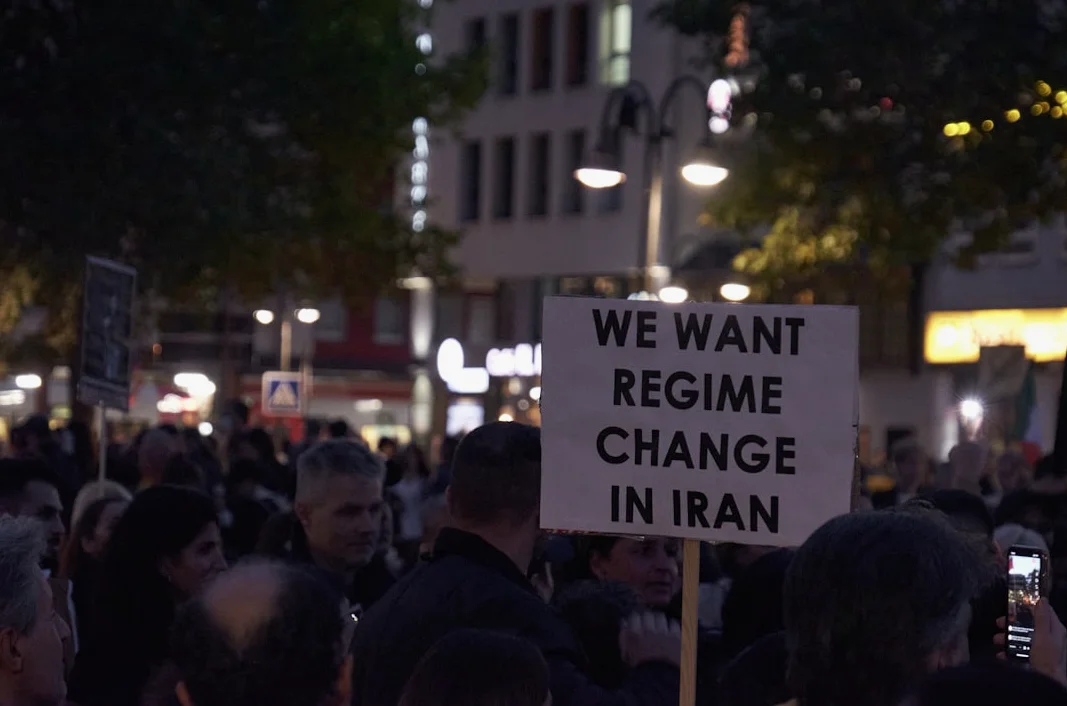
Spain has raised concerns over the potential for a broader conflict involving Iran, warning that the situation could destabilize global energy markets and regional security. The warning comes amid rising tensions between Iran and Israel, with reports suggesting that Iran has affixed anti-war quotes from Spanish Prime Minister Pedro Sánchez to missiles targeting Israel, according to Türkiye Today. This act has sparked international discussions about the role of diplomacy in de-escalating the crisis.
Escalating Regional Tensions
The situation has been further complicated by the involvement of the United States and other global powers. According to reports from the International Energy Agency (IEA), the ongoing conflict poses a significant risk to global energy security, with the agency warning that the crisis could be the most severe in history. The IEA’s head. Fatih Birol. Stated that the potential for a blockade of the Strait of Hormuz could have far-reaching consequences for global oil supplies, affecting economies worldwide.
Spain’s concerns are not isolated. The United States has also expressed caution, with Morgan Stanley warning of potential supply chain disruptions if the conflict escalates further. The firm highlighted that the U.S.-Iran conflict could trigger a ripple effect across global trade routes, particularly in the Middle East and Europe, according to Investing.com.
In response to the growing crisis. The Spanish government has emphasized the need for diplomatic engagement — Prime Minister Pedro Sánchez has publicly urged all parties involved to seek peaceful resolutions. According to reports from elDiario.es. Sánchez has been critical of the U.S. stance, arguing that a military approach could exacerbate the situation — his defiance of U.S. policies has been seen as a litmus test for European unity in the face of global instability.
Local Reactions and Global Impact
While Spanish and U.S. perspectives dominate the headlines, local reactions from other regions highlight the broader implications of the crisis. In Japan. The Nikkei newspaper reported that the European Central Bank has warned of ‘fomo’ driving stretched valuations in the U.S. tech sector, with potential implications for global economic stability. These warnings expose the interconnected nature of the global economy, where a regional conflict can have far-reaching effects.
Meanwhile, in Spain, public opinion has been divided; some citizens support the government’s stance, believing that diplomatic efforts are the only viable path forward. Others, however, argue that a more assertive approach may be necessary to ensure national and regional security. According to reports from EL OBRERO, the debate has intensified in recent weeks, with political leaders on both sides of the aisle calling for a unified front against potential aggression.
The Spanish government has also been closely monitoring the situation in the Middle East, with officials warning that any escalation could have serious consequences for European energy security. According to reports from Türkiye Today, Spanish officials have been in contact with their counterparts in Iran and Israel, urging all parties to engage in dialogue to prevent further militarization of the conflict.
International Diplomatic Efforts
The international community has also been actively involved in efforts to de-escalate the situation. The United Nations has called for calm, emphasizing the need for a peaceful resolution to the crisis. According to reports from the IEA, the agency has been working with its member states to ensure that oil reserves are maintained at sufficient levels to mitigate the impact of any potential disruptions.
In addition to diplomatic efforts, economic measures are also being considered. The European Union has warned that any further escalation could lead to sanctions against Iran, which could further strain the already fragile economy. According to reports from elDiario.es, the EU is closely monitoring the situation, with officials warning that the crisis could have long-term consequences for the region’s stability.
Spain’s role in the crisis has been further complicated by its relationship with the United States. While the Spanish government has been critical of U.S. policies in the Middle East, it has also maintained close ties with Washington, particularly on issues related to European security. According to reports from EL OBRERO, the government has been working to balance its domestic political considerations with its international obligations, a task that has proven increasingly difficult in recent months.
As the situation continues to evolve, the international community is closely watching for any signs of de-escalation. The Spanish government has called for an immediate ceasefire and has urged all parties to engage in dialogue. According to reports from Türkiye Today, Sánchez has emphasized that Spain will not stand by as the situation deteriorates, warning that the country is prepared to take any necessary measures to protect its interests.
The coming weeks will be critical in determining the trajectory of the crisis. With tensions at their highest, the international community must act swiftly to prevent further escalation. The outcome of the situation will have far-reaching implications, not only for the region but for the global economy as well.
As the world watches, the need for a peaceful resolution has never been more urgent. The warnings from Spain and other countries serve as a reminder that the consequences of inaction could be severe, with potential impacts on energy markets, regional stability, and global security.





Comments
No comments yet
Be the first to share your thoughts