

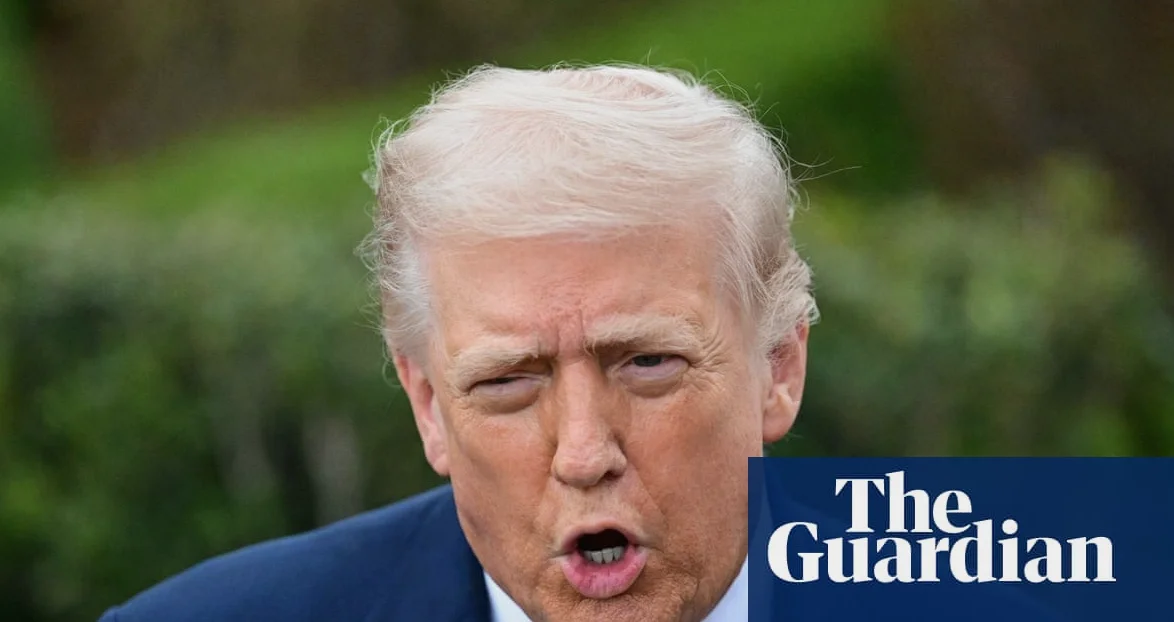
Stock markets surged and oil prices fell after U.S. President Donald Trump postponed potential strikes on Iran, according to reports from multiple international sources. The decision came amid rising tensions and speculation about military action in the Middle East, with global financial markets reacting swiftly to the news.
Market Reactions Vary by Region
Global stock markets experienced a mixed but largely positive reaction to the news. In India. The Sensex surged by 1. 400 points. And the Nifty index climbed above 22,900, as investors welcomed the potential for a ceasefire in the U.S.-Iran conflict, according to TradingView. In South Korea. The Korea Times reported that stock markets jumped as hopes rose for an end to the Iran war, indicating a broader regional optimism about reduced geopolitical risk.
Meanwhile, in the United States, the Guardian noted that stock markets swung following the news, with investors reacting to the uncertainty surrounding Trump’s decision to delay military action. The postponement was seen as a sign of caution, potentially reducing the risk of a broader conflict that could have disrupted global trade and energy markets.
Despite the positive sentiment in stock markets, oil prices experienced a sharp decline. The Guardian reported that oil prices fell as traders anticipated a reduction in demand for energy in the event of a temporary ceasefire. The move by Trump to delay strikes was interpreted as a sign of de-escalation, which could reduce the need for oil in the short term.
Trump’s Remarks Spark Crypto Market Volatility
The postponement of strikes on Iran also had ripple effects in the cryptocurrency market, according to the Korean news outlet CoinReaders — the crypto market reignited following Trump’s remarks, with Bitcoin reclaiming key price levels as investors sought alternative assets amid geopolitical uncertainty. CoinReaders reported that Bitcoin surged to over $40,000 on the heels of the ceasefire proposal, though short-term corrections remain possible.
Additionally, the crypto market saw a surge in trading activity, with XRP experiencing an unusual spike in value. The outlet noted that XRP saw an abrupt rise in value, with some traders observing a ‘sell signal’ that did not match the price movement. This volatility highlights the interconnectedness of global financial markets and the sensitivity of cryptocurrencies to geopolitical events.
Meanwhile, the European Central Bank began building tokenized payment infrastructure for the digital euro, citing a need to address concerns about market volatility, as this development was seen as a strategic move to stabilize financial systems in the wake of fluctuating stock and oil prices.
Local Perspectives and Political Implications
In South Korea. The Korea Times reported on the personal wealth of senior public officials, noting that the average personal wealth among them was over 2 billion won. This disclosure came as a separate but related news story, with the Government Ethics Committee examining asset declarations for potential irregularities. President Lee Jae Myung reported personal assets of 4.97 billion won, an increase attributed to book royalties and unrealized gains from his investments.
Despite the focus on domestic issues. The news of Trump’s decision to delay strikes on Iran was widely covered in South Korea. The Korea Times highlighted the impact of the decision on regional stock markets, with investors reacting positively to the potential for a ceasefire and reduced military tension.
In Iran, the foreign minister reportedly stated that the country would not engage in talks with the United States, signaling a hardline stance amid ongoing tensions. This position was echoed in reports from CoinReaders, which noted that the Iranian government remains resolute in its opposition to U.S. military actions.
Why It Matters and What’s Next
The postponement of potential strikes on Iran has significant implications for global financial markets, energy prices, and regional stability. The decision by Trump to delay military action signals a shift in U.S. strategy, potentially reducing the risk of a broader conflict that could disrupt global trade and energy supplies.
For investors, the move offers a temporary reprieve from the volatility that has characterized recent months. However, the situation remains fluid, and the possibility of renewed tensions cannot be ruled out. The U.S. administration’s next steps will be closely watched by markets and policymakers alike.
Meanwhile, the cryptocurrency market continues to react to geopolitical events, with Bitcoin and other digital assets experiencing fluctuations. As global leaders handle the complexities of international relations, the financial markets will remain sensitive to any developments that could impact global stability and trade.
Regional and Local Impact
Non-English sources often provide insights into the local impact of global events, which can be overlooked by English-language media. In South Korea, for example, the Korea Times reported on the personal wealth of senior officials, a topic that would not typically be covered in international news outlets. This highlights the value of incorporating diverse sources to provide a more broad understanding of the global landscape.
Similarly, the Korean news outlet CoinReaders provided a detailed look at the crypto market’s reaction to Trump’s remarks, offering a perspective that is particularly relevant to investors in Asia. The report noted that the market’s response was swift and significant, with Bitcoin and other digital assets experiencing notable price movements.
These local and regional perspectives add depth to the understanding of how global events affect different markets and populations. By incorporating these insights, the synthesis provides a more complete picture of the situation and its implications.






Comments
No comments yet
Be the first to share your thoughts