

 World Headlines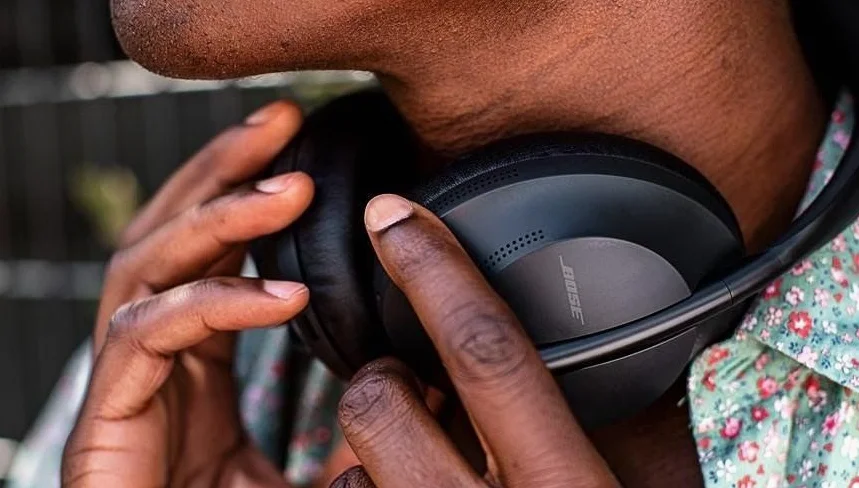
BUDAPEST — Headphones from major brands contain toxic chemicals that could leach into users’ skin, according to a new study by ToxFree LIFE for All, a Hungarian research and advocacy organization.
The group tested multiple models and found harmful substances in all of them. Bisphenol A appeared in 98% of samples, while its substitute bisphenol S showed up in more than 75%. Phthalates and poly- and perfluoroalkyl substances also appeared across the board.
Researchers linked these chemicals to serious health risks. They can mimic estrogen in the body, officials with ToxFree LIFE for All said. Effects include cancer, neurodevelopmental disorders in children and feminization in males. Early puberty in girls ranks among other potential harms.
Every set tested positive, regardless of price. Bose, Panasonic, Samsung and Sennheiser models all contained the substances. Cheap knockoffs fared no better than premium ones.
The plastics used in headphone construction serve as the main source. Hard plastic parts held the highest concentrations. Heat, mechanical stress or sweat can release the chemicals, the study states. Dermal exposure becomes a concern with headphones’ direct skin contact over hours.
ToxFree LIFE for All emphasized prolonged use heightens risk. Many samples showed only trace amounts, unlikely to cause immediate harm on their own. Still, daily wear adds up, researchers noted.
The group tested earbuds and over-ear models but did not specify exact quantities needed for toxicity. Skin absorption represents a ‘relevant pathway,’ the report concludes. Similar migration likely occurs from headphone components to users.
Europe-wide regulations treat headphones like televisions. ToxFree LIFE for All calls for a new category covering wearable electronics. Current rules ignore close-body contact and extended use, they argue.
Practical steps can reduce exposure. Opt for speakers when possible. Limit headphone time and avoid wearing them while sleeping. The organization issued these recommendations alongside its findings.
This report adds to scrutiny of everyday plastics. Glasses frames and other wearables may warrant similar checks, though ToxFree LIFE for All focused solely on headphones here.
The study, released this week, urges manufacturers to reformulate plastics. It highlights bisphenols’ persistence even after regulatory bans on BPA in some products. BPS, meant as a safer alternative, showed similar prevalence.






Comments
No comments yet
Be the first to share your thoughts